 Orcas Island Siding
 Why Orcas Island Is Hard on Exterior Siding
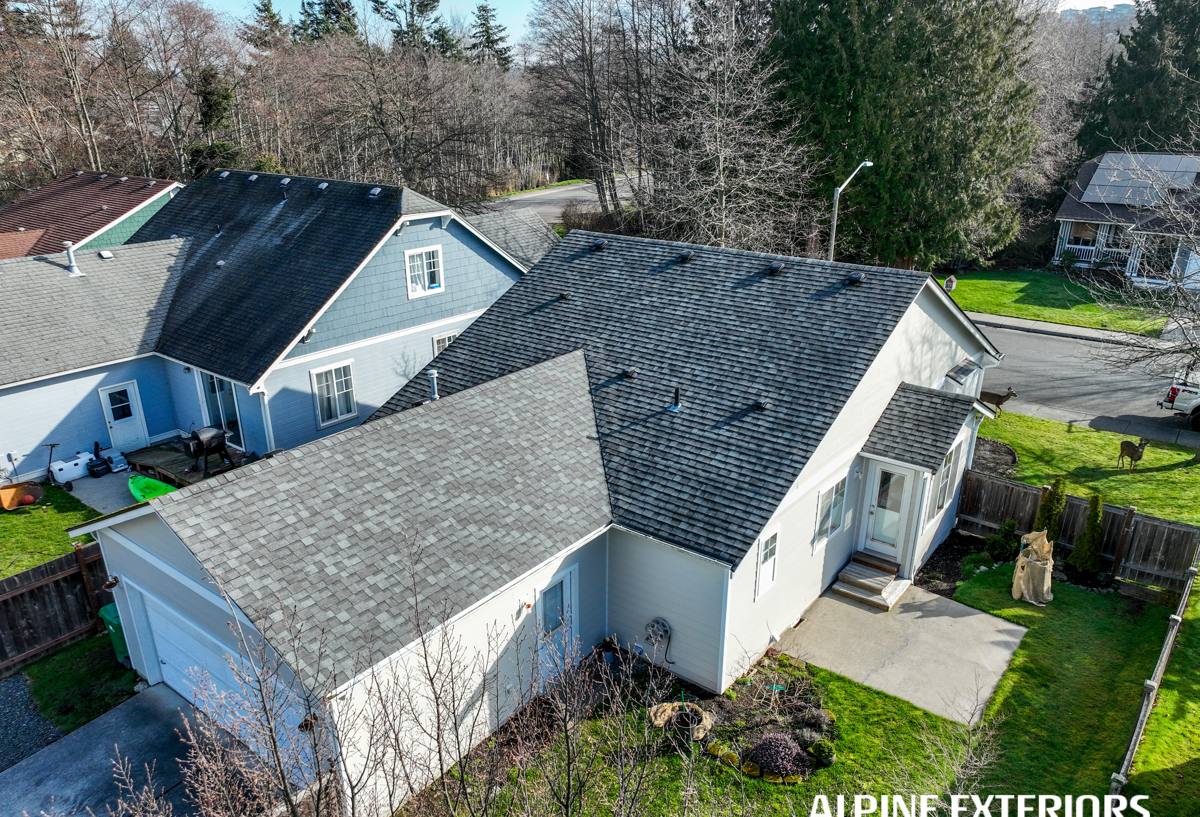
Orcas Island sits out in the San Juan Islands, surrounded by saltwater on every side, and that changes what a house needs from its siding compared to a home twenty miles inland. Homes here deal with a mix of conditions that rarely show up all at once anywhere else in Washington: airborne salt from the marine waters around the island, long stretches of driving rain off Puget Sound weather systems, and a shaded, moisture-retentive environment that keeps moss and algae growing on north-facing walls for most of the year.
None of that is a reason to panic about your siding. It's just the reality of building on an island, and it's exactly the kind of environment where the choice of siding material and the quality of the installation matter more than they would in a drier, more sheltered part of the state. San Juan County homes that get this right hold their paint, their caulking, and their structure for decades. The ones that don't tend to show it early — chalking finishes, soft trim, and streaked or fuzzy-looking walls by year five or six.
Salt Air and What It Does to Siding Over Time
Salt-laden air doesn't just sit on a surface — it works into any material that isn't fully sealed or that has exposed, untreated edges. Over years, that exposure can accelerate the breakdown of paint films, corrode exposed fasteners, and speed up the general weathering of softer siding materials. It's a slow process, which is part of the problem: by the time it's visible, it's often been happening for a while.
What This Means for Material Choice
This is one of the main reasons we install James Hardie fiber cement siding exclusively and don't offer wood, vinyl, or engineered wood products on Orcas Island projects. Fiber cement doesn't rot, doesn't provide the organic material that mold and algae feed on, and holds a factory-applied finish far better in a marine environment than field-applied paint on wood or composite substrates. The ColorPlus finish on Hardie products is baked on and formulated for UV and moisture exposure, which matters more here than in a typical mainland neighborhood.
Moss Season: The Other Half of the Equation
Orcas Island's tree cover, cool temperatures, and long damp season create ideal conditions for moss and algae growth on the shaded and north-facing sides of homes. This isn't unique to the island, but the combination of shade, humidity, and salt-tinged moisture makes it more persistent here than in drier parts of the state. Moss itself doesn't destroy fiber cement siding the way it can compromise wood, but it does hold moisture against the wall longer, and it can find its way into gaps at trim, seams, and penetrations if those details weren't sealed correctly during installation.
Where Moss Problems Actually Start
- Poorly flashed window and door trim that lets water sit rather than shed
- Missing or degraded caulking at siding butt joints and corners
- Siding installed too close to grade or to roof lines, trapping moisture against the wall
- Gutters and downspouts that dump water directly onto siding instead of away from it
- North-facing walls with limited sun exposure that never fully dry between rain events
A lot of what looks like a "siding problem" on Orcas Island is actually a moisture-management problem, and the fix is as much about flashing, sealant, and drainage detail as it is about the siding panel itself.
How We Approach Siding Installation Here
We install James Hardie fiber cement as our standard product on every siding job, but on Orcas Island specifically, we pay close attention to a few details that matter more here than elsewhere in our service area:
Flashing and Water Management
Every window, door, and roof-to-wall transition gets proper flashing and house wrap integration before a single piece of siding goes up. In a driving-rain environment, the siding is really the second line of defense — the water management behind it is what actually keeps a wall assembly dry over time.
Fastening and Fit
James Hardie has specific fastening, clearance, and caulking requirements, and they exist for a reason — installed to spec, the system is built to handle wind-driven rain and expansion/contraction cycles without opening gaps at seams. We follow those specs closely rather than treating them as optional.
Ventilation and Clearances
Proper clearance from grade, decks, and roof lines gives walls a chance to dry out between rain events, which matters a great deal in a shaded, moss-prone environment. We build those clearances in rather than tucking siding tight against every surface it touches.
Why a Local, Island-Based Crew Matters
Working on Orcas Island means working around ferry schedules, weather windows, and the logistics of getting materials and crews to the job reliably. A contractor who treats island work as an afterthought to mainland scheduling tends to show up inconsistently, which drags out projects and leaves partially finished work exposed to weather longer than it should be. We plan Orcas projects around the realities of island access — sequencing material deliveries, crew time, and weather windows so the job moves efficiently once we start rather than stalling out mid-project.
A local crew also tends to have a better read on how a specific property's exposure — its distance from the water, its tree cover, its orientation — will affect long-term maintenance. That's the kind of judgment that comes from working on San Juan County homes repeatedly, not from a one-off visit.
Beyond Siding: Roofing, Windows, and Decks
Salt air and moss season don't stop at the walls. We handle roofing, window, and deck work on Orcas Island as well, and the same climate factors apply across all of it:
- Roofing — moss growth on roof surfaces is common in shaded island settings and left unaddressed can shorten roof life and contribute to moisture problems at the roof-wall intersection
- Windows — proper flashing integration between new or replacement windows and the surrounding siding is critical in a driving-rain environment; poorly integrated windows are one of the most common sources of hidden water intrusion
- Decks — exposed to the same salt air and moisture cycles, decks need materials and fasteners rated for a marine environment to avoid early corrosion and surface breakdown
Looking at the whole exterior together, rather than treating siding, roofing, and windows as separate problems, is usually how moisture issues actually get solved on island homes.
Cost Factors for Orcas Island Siding Projects
Every home is different, but a few factors consistently affect the scope and cost of a siding project on Orcas Island specifically:
| Factor | Why It Matters Here |
|---|---|
| Access and logistics | Ferry scheduling and material delivery timing can affect project sequencing more than on the mainland |
| Existing moisture damage | Homes with a history of unaddressed moss or trapped moisture may need sheathing repair before new siding goes on |
| Exposure level | Waterfront-facing or fully exposed homes may warrant additional detailing at flashing and joints |
| Tree cover and shade | Heavily shaded properties may need extra attention to drainage and clearance details to manage future moss growth |
| Existing siding removal | Removing old wood or vinyl siding on a home with hidden rot takes longer and can reveal additional repair needs |
What to Expect From a Project Here
We start with an on-site look at the home, its exposure, and any existing moisture or moss issues before quoting anything. From there, a typical project includes removal of old siding if needed, inspection and repair of any damaged sheathing, correct house wrap and flashing installation, and then the James Hardie fiber cement siding install itself, finished with ColorPlus factory-finished panels and trim. We walk homeowners through product line and color choices as part of that process, matched to what actually holds up well in this climate rather than just what looks good on a sample board.
A Few Things Worth Checking Before You Hire Anyone for Island Work
- Do they have real experience working on San Juan County or island properties specifically?
- Will they detail flashing and water management, or just talk about the siding panel?
- Are they installing to the manufacturer's actual fastening and clearance specifications?
- Do they have a realistic plan for material delivery and scheduling around ferry access?
- Will they address existing moss or moisture issues, or just cover over them?
If your Orcas Island home is dealing with salt air wear, persistent moss, or siding that's simply reaching the end of its life, we're happy to take a look and talk through what makes sense for your specific property. Reach out for a free, no-pressure estimate — there's a form right below to get started.