 Orcas Island Siding
 Exterior Work Built for North Beach's Waterfront Exposure
North Beach sits along the northern shoreline of Orcas Island, facing open water and the weather that comes with it. Homes here take a different kind of beating than a house tucked into the interior of the island near Eastsound or up in the hills above Deer Harbor. Wind off the water carries salt, driving rain arrives sideways more often than straight down, and the tree cover that shades much of Orcas also means a longer, wetter shadow season on north- and west-facing walls. If you own or maintain a home in this part of the island, you already know the exterior needs more attention than a similar house would need somewhere inland.
We're a local exterior contractor working across Orcas Island and the wider San Juan County, and North Beach is one of the areas where we see the clearest case for building an exterior that's actually engineered for marine exposure — not just painted or coated to look the part.
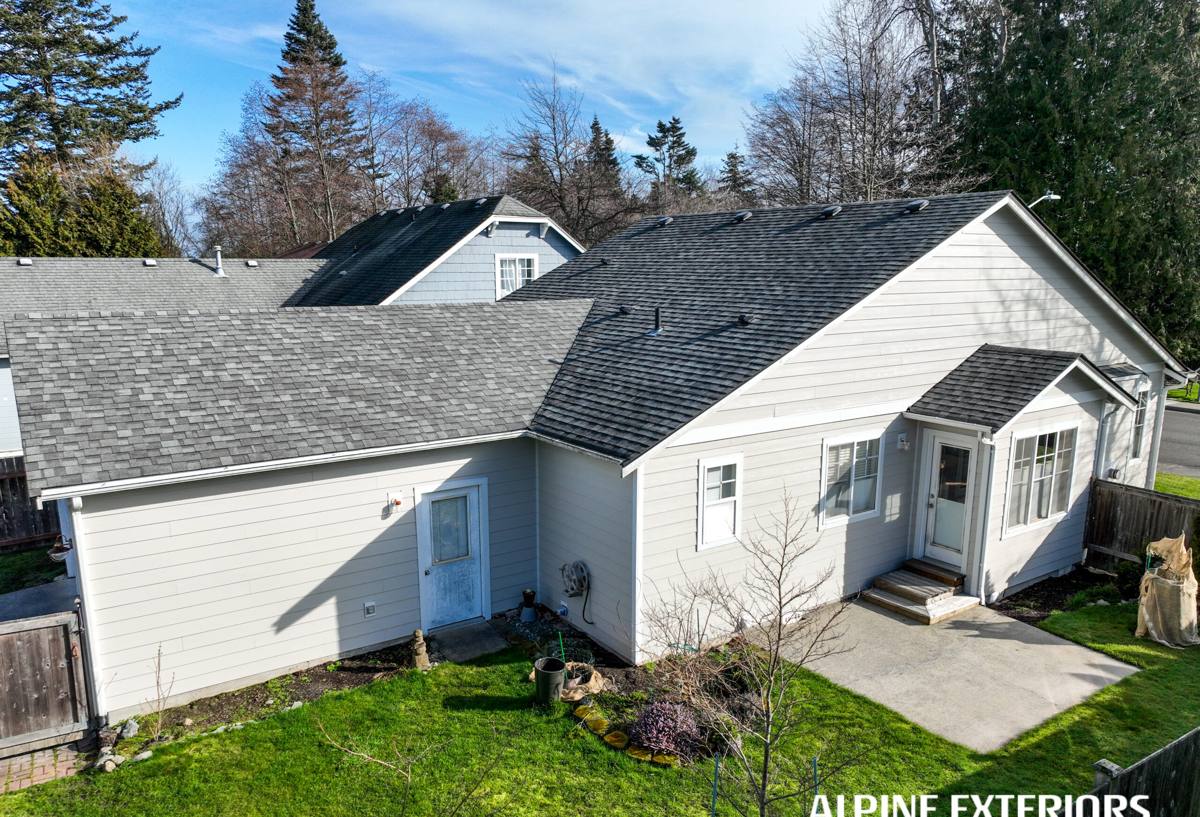
What the Climate Actually Does to a House Here
Salt Air and Metal Fatigue
Airborne salt doesn't just sit on the surface of a house — it works into fasteners, flashing, and any exposed metal trim over time. On siding materials that rely on paint film for protection, salt exposure accelerates the breakdown of that film at seams, corners, and butt joints, which is exactly where water intrusion starts. Fastener corrosion is a slower, quieter problem, but it's a real one on waterfront and near-waterfront properties.
Driving Rain and Wind-Driven Moisture
North-facing exposure on the island tends to catch more sustained wind, and wind-driven rain gets pushed into laps, seams, and trim joints that would stay dry in a calmer setting. Materials that swell, wick moisture, or delaminate at cut edges are put to the test in this kind of weather far more than manufacturer literature usually accounts for.
Moss, Shade, and the Long Wet Season
Between the tree canopy common across Orcas Island and the extended damp season typical of San Juan County, north- and west-facing walls can stay damp for days after a storm passes. Moss and algae take hold on surfaces that hold moisture, and once established, they hold even more water against the siding — a cycle that's hard to break with cleaning alone if the underlying material is prone to absorbing moisture in the first place.
Why We Standardized on James Hardie Fiber Cement
We install James Hardie fiber cement siding exclusively. We don't install vinyl, LP SmartSide, Cemplank, Allura, primed spruce, or cedar. That's a deliberate standard, not a limitation on what we're capable of installing — and it's worth explaining why, especially in an area like North Beach where the exterior takes real punishment.
- Non-combustible core. Fiber cement doesn't contribute fuel to a fire the way wood-based products can, which matters on a heavily forested island with limited fire department response relative to mainland cities.
- Engineered for wet, coastal climates. Hardie's HZ10 product line is formulated specifically for wetter, harsher climate zones — including the Pacific Northwest — with moisture and freeze-thaw performance built into the formulation, not added after the fact.
- Factory-applied ColorPlus finish. The finish is baked on at the factory under controlled conditions, which gives more consistent coverage and adhesion than field-applied paint, and it carries its own separate finish warranty.
- Dimensional stability. Fiber cement doesn't swell and contract with moisture the way wood-based sidings do, which matters directly for a house catching driving rain from open water.
- Long, transferable warranty backed by a large manufacturer. That matters on a vacation or seasonal property that may change hands — a warranty that survives a sale has real value.
We're not going to claim the alternatives are junk — vinyl is inexpensive and low-maintenance in mild climates, engineered wood siding has genuine fans, and cedar has real aesthetic appeal that some homeowners specifically want. But each of those comes with a trade-off that shows up faster in a marine environment like North Beach: vinyl can warp and fade under UV and temperature swings and doesn't hold up structurally the way fiber cement does; engineered wood products are more sensitive to sustained moisture exposure at cut edges and seams if installation isn't precise; cedar needs an ongoing maintenance commitment — staining or sealing on a recurring cycle — to keep performing, which is a real cost many owners underestimate for a property they're not at year-round. We made the call to install one product system because we've seen how the alternatives perform over time in exactly this kind of climate, and we'd rather stand behind fewer materials we trust completely than offer a menu and let a homeowner absorb the risk of the wrong choice.
How Correct Installation Matters as Much as the Product
Fiber cement siding is only as good as the installation behind it. On a North Beach property, we pay particular attention to a few details that matter more here than in a sheltered inland location:
- Proper flashing and water-resistive barrier detailing at every window, door, and penetration — this is where wind-driven rain finds its way in if it's rushed
- Correct fastener spacing, type, and depth per Hardie's published installation specifications, since improper fastening is one of the most common causes of early siding failure
- Appropriate clearance between siding and grade, decks, and roof lines to keep splashback and ponding water away from the bottom edge of the material
- Caulking and sealant only where Hardie's install guide calls for it — over-caulking can trap moisture just as easily as under-caulking lets it in
- Field-cut edge treatment, since a cut edge left unsealed is a vulnerable point on any fiber cement product
A manufacturer's warranty is tied to installation meeting spec. We install to that spec as standard practice, not as an upsell.
Roofing, Windows, and Decks Face the Same Exposure
Siding isn't the only part of a North Beach exterior under pressure from salt air and driving rain. We handle roofing, window replacement, and deck construction and repair as well, because these systems are interconnected — a roof that's shedding water improperly, or flashing at a window that's failed, will undermine even well-installed siding right next to it. Decks facing open water deal with their own version of the same problem: sustained moisture, UV exposure, and salt air accelerating wear on fasteners and finishes. When we're on a property for siding work, we're looking at the whole exterior envelope, not just the walls.
Common Exterior Issues We See on North Beach Properties
| Symptom | Likely Cause | Why It Matters Here |
|---|---|---|
| Moss buildup on north/west walls | Extended shade, damp season, absorbent siding material | Holds moisture against the wall, accelerating rot and finish failure |
| Peeling or chalking paint on siding | UV and salt breakdown of field-applied coatings | Common on cedar and primed wood products near open water |
| Soft or swelling siding at seams | Moisture wicking into engineered wood or untreated cut edges | Driving rain finds these weak points first |
| Corroded fasteners or trim | Salt air exposure on unprotected metal | More pronounced on waterfront-facing elevations |
| Failed caulk joints around windows | UV degradation, wind-driven rain cycling joints wet and dry | Direct path for water behind the siding system |
Why a Local Crew Matters on Orcas Island
Getting materials and crews to Orcas Island isn't the same as working in a mainland neighborhood. Ferry schedules, limited barge capacity for bulk material, and the realities of island logistics mean a contractor based here — who plans material staging and scheduling around the ferry system as a matter of course — can keep a project moving without the delays that catch mainland companies off guard on their first island job. We also know San Juan County's permitting process and the practical realities of working on properties that range from full-time residences to seasonal homes that sit empty for stretches of the year, which changes how we schedule and communicate on a project.
Working locally also means we see how our own installations hold up over years, on the same stretch of coastline, in the same weather. That feedback loop is part of why we trust the product system we've standardized on.
What to Expect From a Project on Your Property
- An on-site assessment of your current siding, trim, and any related roofing, window, or deck concerns
- A clear explanation of what we're seeing and why — including whether full replacement or targeted repair makes sense
- A written estimate covering material, labor, and any flashing or moisture-barrier work required to do the job to spec
- A realistic timeline that accounts for ferry logistics and weather windows typical of the area
- Installation following James Hardie's published specifications, including proper flashing, fastening, and clearance details
Planning Ahead for North Beach's Weather Patterns
If you're weighing a siding project, timing it around the drier stretches of the year on Orcas Island makes for a smoother installation and better working conditions for sealant and finish work. That said, moisture damage doesn't wait for a convenient season to show up — soft trim, moss buildup, or failing caulk lines are worth having looked at whenever you notice them, rather than waiting for a specific time of year. Catching a moisture problem early, before it reaches the sheathing behind the siding, is almost always the difference between a straightforward re-side and a project that involves structural repair.
If you're seeing early signs of wear on a North Beach property — moss that keeps coming back, paint that won't hold, or trim that feels soft to the touch — we're happy to take a look. Reach out for a free, no-pressure estimate using the form below, and we'll walk the property with you and give you a straight answer about what it needs.