 Orcas Island Siding
 Siding Built for Life Around Cascade Lake
Cascade Lake sits in the wooded interior of Orcas Island, tucked under a heavy canopy of fir and cedar that most shoreline properties on the island simply don't have. That canopy changes how siding ages. Homes here stay shaded for long stretches of the day, which means siding dries out slower after every rain, and slower drying means more time for moss, algae, and lichen to take hold — especially on north-facing walls and anywhere tree cover blocks the sun. At the same time, Orcas Island as a whole sits in the marine air of the Salish Sea, so even a home set well back from open water still deals with salt-laden air that speeds up corrosion on fasteners, flashing, and trim over the years.
Put those two things together — shade-driven moisture retention plus salt air plus a moss season that can run from early fall through late spring in San Juan County — and you get a climate that's harder on exterior siding than either a straightforward coastal exposure or a straightforward inland one. Siding around Cascade Lake needs to shed water fast, resist organic growth, and hold up to fasteners and finishes that don't fail early from corrosion. That's the standard we build every replacement to.
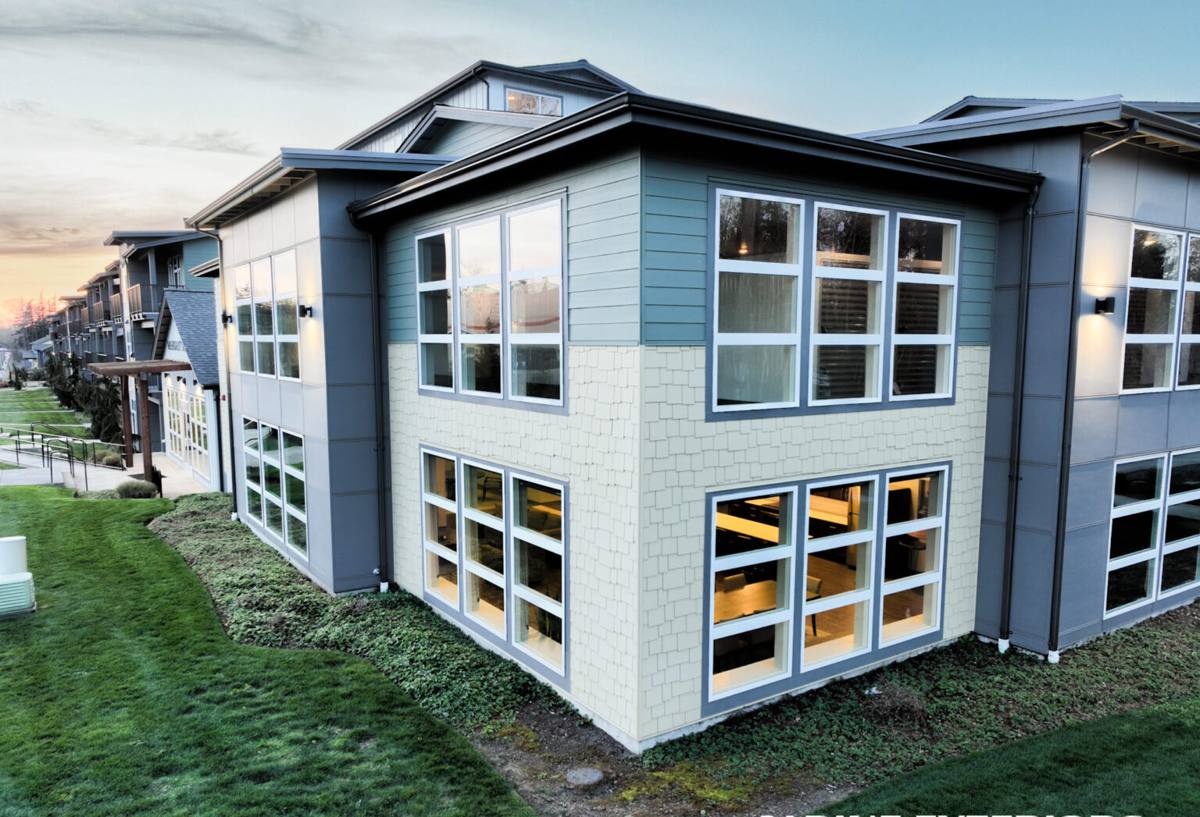
Signs Your Cascade Lake Home Needs Siding Replacement, Not a Patch
Not every siding problem calls for a full replacement, but in a shaded, damp setting like this one, small issues tend to hide bigger ones underneath. Before recommending a full tear-off, we look for signs that the damage has moved past the surface.
- Soft, spongy, or crumbling spots when you press on the siding, especially near the bottom courses or under windows
- Persistent moss, algae, or black staining that comes back within a season or two of cleaning
- Paint or finish that keeps failing in the same spots no matter how often it's repainted
- Boards that have visibly warped, cupped, or pulled away from the wall
- Gaps opening up at seams, corners, or trim joints
- Rot visible at the bottom edge of siding near grade, under gutters, or around old fastener holes
- A noticeable draft or a jump in heating costs that points to a failing weather barrier behind the siding
If you're seeing more than one of these at once, it's usually a sign the underlying sheathing or house wrap has been compromised, not just the visible siding surface.
Why We Install Only James Hardie Fiber Cement Siding
We standardized on James Hardie fiber cement for every project we take on, including replacements around Cascade Lake, because it's engineered to handle exactly the conditions this property type faces. It's non-combustible, it doesn't rot the way wood-based products can when moisture sits against them, and the factory-applied ColorPlus finish holds color and resists the moss and mildew staining that shaded, damp walls are prone to far better than field-applied paint. Hardie also builds region-specific product lines — its HZ5 formulation is engineered for colder, wetter climates like the Pacific Northwest, which is the category Orcas Island falls into. Combined with a strong transferable warranty, that's a siding system built for the specific problems a Cascade Lake home actually runs into, not a generic all-climate product.
What This Means in Practice
It means we're not choosing Hardie because it's trendy — we're choosing it because the failure modes we see most often around here (moss-driven finish breakdown, moisture intrusion at seams, fastener corrosion) are the specific things this product system is designed to resist.
What a Correct Siding Replacement Actually Involves
The siding itself is only part of the job. Most of what determines whether a replacement lasts 30 years or fails in 8 happens underneath it, and that matters more in a shaded, high-moisture setting than almost anywhere else on the island.
Tear-Off and Inspection
Once the old siding comes off, we inspect the sheathing underneath for hidden rot or water damage. In shaded, slow-drying spots this is often where the real story is — siding can look fine on the surface while the wall behind it has been taking on moisture for years. Any damaged sheathing gets repaired or replaced before anything new goes up.
Weather Barrier and Drainage
A new weather-resistive barrier goes on before siding, and on homes with heavy shade or limited airflow we recommend a rainscreen or drainage gap behind the siding. That gap lets any moisture that does get behind the panels drain and dry out instead of sitting against the wall — a meaningful upgrade for a lot around Cascade Lake compared with the direct-to-sheathing installs common on older homes.
Flashing, Fastening, and Finish
Every window, door, and penetration gets proper flashing so water is directed out and down, not trapped behind the new siding. Fasteners and spacing follow Hardie's published installation specs for the HZ5 zone, and we hold correct clearance from grade, roof lines, and decks so the bottom edge of the siding isn't sitting in standing water or trapped leaf litter — a real issue on a wooded, sloped lot.
Our Replacement Process, Start to Finish
- On-site inspection — we walk the exterior, check the sheathing where we can, and note shade patterns, drainage, and any trouble spots specific to the lot
- Written estimate — a clear scope and price range before any work is scheduled
- Material order — Hardie products are ordered and staged; island logistics mean we plan delivery timing around ferry schedules
- Site prep — landscaping, walkways, and windows are protected before tear-off begins
- Tear-off and sheathing check — old siding removed, wall condition confirmed before anything new is installed
- Installation — weather barrier, flashing, and Hardie siding installed to manufacturer spec
- Cleanup and walkthrough — site cleared of debris and old material, and we walk the finished job with you
What Affects the Cost of a Cascade Lake Siding Replacement
Every home is different, but the same handful of factors drive most of the cost difference between projects in this area. This isn't a quote — it's meant to help you understand what you're paying for when you get one.
| Cost Factor | Why It Matters |
|---|---|
| Condition of the sheathing underneath | Hidden rot found during tear-off adds repair work before new siding can go up |
| Home size and number of stories | More wall area and taller walls mean more material, labor, and staging/scaffolding |
| Siding profile chosen | Lap plank, shingle-style panels, and board-and-batten involve different labor and trim work |
| Trim and detail complexity | Corners, window trim, and architectural detail all add install time |
| Site access and tree cover | Wooded, sloped lots common around Cascade Lake can slow staging and material handling |
| Old siding removal and disposal | Hauling and disposing of old material off-island adds to the total |
Why a Crew That Already Works Cascade Lake Matters
Working on Orcas Island isn't the same as working on the mainland, and the interior, forested lots around Cascade Lake bring their own wrinkles on top of that. Material and equipment have to be planned around ferry schedules, not same-day delivery. Wooded, sloped sites take more care to stage and protect than an open shoreline lot. And a crew that's already replaced siding in this specific microclimate knows to check for the slow-drying, moss-prone spots that a contractor unfamiliar with the area might miss. Permitting also runs through San Juan County, and knowing that process ahead of time keeps a project from stalling before it starts. None of that shows up on a price sheet, but it's the difference between a job that goes smoothly and one that runs into surprises halfway through.
Caring for Your New Siding
James Hardie siding is low-maintenance compared to wood or older fiber cement products, but "low-maintenance" isn't "no-maintenance" — especially in a shaded, damp setting. A few simple habits go a long way toward getting the full life out of the installation.
- Rinse off moss, pollen, and debris with a garden hose once or twice a year — avoid high-pressure washing directly at seams
- Keep gutters clear so water isn't overflowing directly onto siding below
- Trim back overhanging branches and brush to improve airflow and sun exposure where possible
- Check caulking at trim, windows, and penetrations annually and re-seal if it's cracking or pulling away
- Address any impact damage or chipped finish promptly rather than letting moisture get behind it
If your Cascade Lake home's siding is showing its age, we're happy to take a look and give you a straight answer on whether it's time for a repair or a full replacement. Reach out for a free, no-pressure estimate using the form below.