 Orcas Island Siding
 Building a Deck That Actually Holds Up on Lopez Island
A deck on Lopez Island lives a different life than one built forty miles inland. The same salt-laden air that makes the island beautiful also works steadily on fasteners, framing connectors, and any wood that isn't rated for the exposure. Add in long stretches of driving rain off the Strait and a moss season that can run from fall through spring, and you have a structure that needs to be built for this specific place, not just "a deck" dropped onto a San Juan County lot. When we design and build custom decks here, every material and detail decision gets filtered through that reality first.
This page covers what actually matters for a Lopez Island deck project: material choices that hold up to marine air, how we handle drainage and moss, what correct construction looks like below the decking boards where you can't see it, and how our process works from first look to final walk-through.
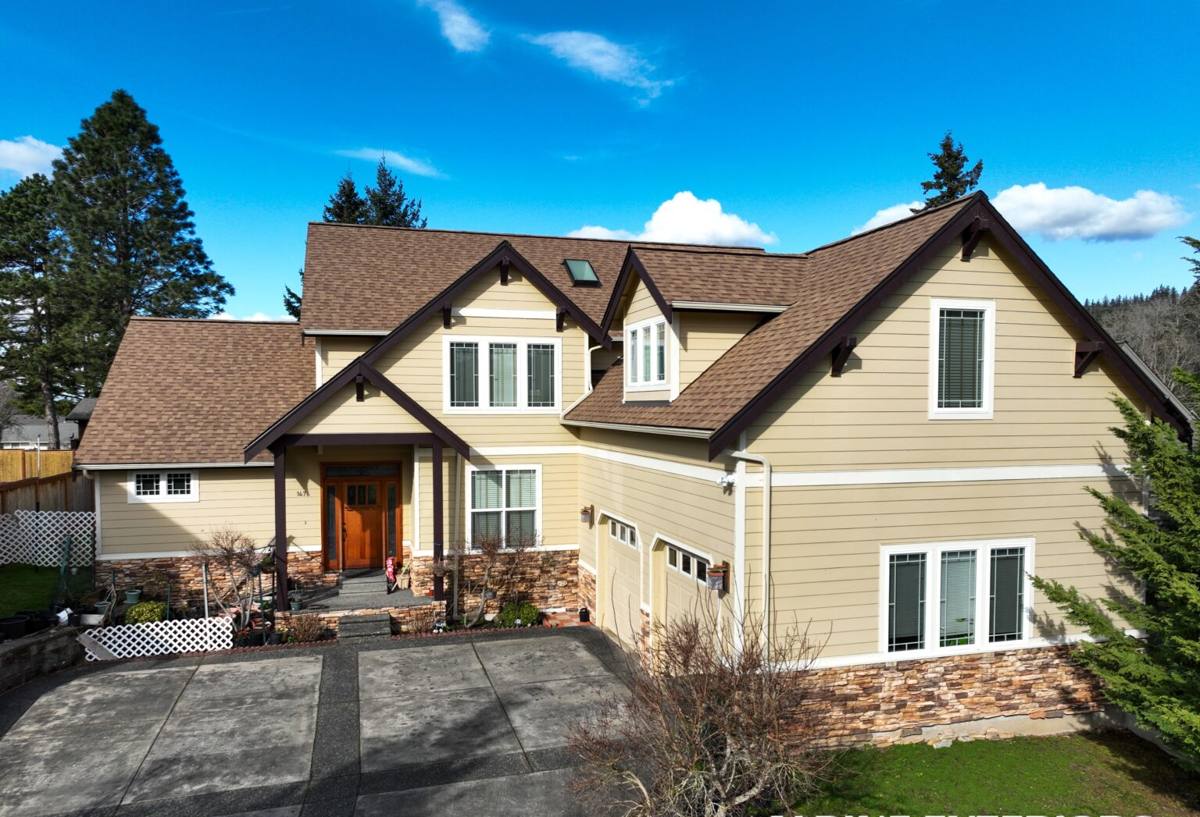
What Lopez Island's Climate Actually Does to a Deck
Before talking about design, it's worth being honest about what a deck is up against here.
- Salt air corrosion — Even set back from the shoreline, coastal air carries salt that accelerates rust on standard fasteners, joist hangers, and bolts. Untreated or under-rated hardware can start showing corrosion well before the wood itself is a concern.
- Driving rain — Wind-driven rain gets pushed sideways and up under railings, ledger boards, and stair stringers, not just straight down onto the surface. Flashing and drainage details matter more here than in calmer inland settings.
- Extended moss and algae season — Shaded, north-facing, or tree-covered decks on Lopez Island can stay damp for months at a time. Moss and algae growth isn't just a cosmetic issue; sustained moisture against decking and framing shortens its life.
- Temperature swings and wood movement — Wet winters and dry summer stretches mean real wood expands and contracts. Fastening and spacing have to account for that movement so boards don't cup, split, or pop fasteners over time.
None of this means a deck on Lopez Island is a bad idea — it just means the build has to account for these conditions from the footings up, not just at the surface.
Choosing Deck Materials for This Environment
Decking Surface Options
There's no single "best" decking material for every Lopez Island home — it depends on your budget, how much upkeep you want to take on, and how exposed the deck is to weather and shade. Here's how the common options actually compare in this climate:
| Material | Salt/Moisture Behavior | Moss & Algae Resistance | Maintenance |
|---|---|---|---|
| Pressure-treated lumber | Good with proper fasteners; treatment protects against rot | Needs regular cleaning in shaded areas | Periodic sealing/staining |
| Western red cedar | Naturally rot- and insect-resistant; still needs sealed end cuts | Moderate — benefits from airflow and cleaning | Sealing/staining every few years |
| Composite decking | Does not rot or absorb moisture | Can still grow surface algae in damp shade; cleans off easily | Occasional washing, no staining |
| PVC decking | Fully moisture-resistant | Low, especially with textured/capped boards | Lowest — mostly washing |
For homes with a lot of tree cover or a north-facing deck footprint — common in parts of Lopez Island — we're often steering clients toward composite or PVC decking, not because wood is a bad product, but because the maintenance burden of a shaded, damp wood deck is a real ongoing commitment we want you to go in with your eyes open about.
Fasteners and Hardware
This is where a lot of decks in coastal areas actually fail first — not the decking, the hardware underneath it. We use fasteners and structural connectors rated for coastal/marine exposure, not standard interior-grade hardware. Mixing metals (for example, an incompatible fastener against a treated lumber connector) can also accelerate corrosion through galvanic reaction, so matching hardware families correctly matters as much as the rating on any single piece.
What Correct Deck Construction Involves
A deck that looks right on day one and a deck that's still sound in fifteen years are built with the same visible boards but very different attention underneath. The parts that matter most are the parts you won't see once the project is finished.
Ledger Attachment and Flashing
Where a deck attaches to the house is the single most common source of long-term water damage — not just to the deck, but to the house structure behind it. Proper flashing directs water away from that connection point instead of letting it wick into the ledger board or the home's sheathing. Given how much driving rain this area sees, we treat ledger flashing as non-negotiable, not an upgrade.
Footings and Frost Considerations
Footings need to be sized and set to San Juan County code requirements, accounting for local soil conditions and frost depth. Undersized or improperly set footings are a common source of deck settling and railing movement over time — problems that are expensive to fix after the fact and cheap to get right during construction.
Drainage Beneath the Deck
Especially on lower decks or those over patios and walkways, water needs somewhere to go. Proper spacing between boards, correct slope, and — where appropriate — under-deck drainage systems keep moisture from pooling and encouraging moss and rot in the framing below.
Railings and Guardrails
Railing height, baluster spacing, and load requirements are governed by code, and they're also simply a safety matter on a deck that will see wind and wet conditions. We build to code as the floor, not the ceiling.
Design Considerations Specific to Lopez Island Homes
- Orientation and wind exposure — A deck facing open water or prevailing wind will take more direct weather than one tucked against the house. This affects both material choice and structural detailing.
- Shade and airflow — Tree cover keeps decks cooler in summer but also keeps them damp longer. Where possible, we design in airflow — spacing, orientation, trimming sightlines — to help a deck dry out between rain events instead of staying wet for days.
- Multi-level and view decks — Many island properties are built for the view, which often means multi-level decks or elevated structures. These carry more structural and railing requirements than a simple ground-level patio deck, and they're worth planning carefully from the start.
- Ground-contact vs. elevated framing — Lower decks close to grade need ground-contact rated materials and extra attention to moisture and pest exposure; elevated decks shift the priority toward structural bracing and drainage.
Permitting and Working Through San Juan County
Most new deck construction and many substantial deck rebuilds on Lopez Island require a permit through San Juan County, particularly for elevated structures, larger footprints, or anything attached to the home's structure. We handle the permitting process as part of the project so you're not left navigating that on your own, and we build to the code requirements that apply to your specific property and structure.
Our Process for a Lopez Island Deck Project
- On-site assessment — We walk the property, look at sun/shade exposure, wind orientation, existing structure (if replacing a deck), and how water currently moves around the site.
- Design and material selection — Based on your budget, maintenance preferences, and the site's exposure, we walk through decking, hardware, and railing options honestly — including the trade-offs, not just the upside.
- Permitting — We prepare and submit what's needed through San Juan County before work begins.
- Site logistics and material delivery — Material delivery to Lopez Island takes ferry scheduling into account, and we plan the project timeline around that so there aren't avoidable delays mid-build.
- Construction — Footings, framing, flashing, decking, and railings are built in that order, with the below-the-surface work done to the standard that lets everything above it last.
- Final walk-through — We go over the finished deck with you, including what routine maintenance (cleaning, sealing, or inspection) will keep it in good shape for your specific material choice.
Keeping a Lopez Island Deck in Good Shape Long-Term
Whatever material you choose, a little seasonal attention goes a long way in this climate:
- Sweep leaves and debris off the deck surface regularly, especially in fall — trapped organic matter holds moisture and feeds moss growth.
- Clean moss and algae off the surface and railings before it builds up; on wood decks, address it before the next sealing cycle.
- Check that gaps between boards stay clear so water can drain through rather than pooling.
- Inspect fasteners and hardware periodically for early signs of corrosion, particularly on decks with more direct wind or salt exposure.
- Reseal or restain wood decking on the schedule appropriate to the product — don't wait until it's visibly weathered.
Why Hire a Crew That Already Works on Lopez Island
Deck construction that works well in a dry inland climate isn't automatically right for a shaded, salt-exposed lot on Lopez Island. The flashing details, hardware ratings, and drainage planning that matter here come from having actually built and maintained decks under these specific conditions — not from a generic playbook. Working through San Juan County's permitting process and planning around ferry-dependent material delivery are also just part of knowing how to get a project done efficiently on the island, rather than treating it as an inconvenience discovered mid-project.
If you're planning a new deck or need to replace one that's showing its age, we're happy to come take a look and talk through honest options for your property — no pressure, no obligation. Reach out using the form below for a free estimate.