 Orcas Island Siding
 Siding Repair Built for the Cascade Lake Climate
Homes around Cascade Lake sit in one of the more demanding pockets of Orcas Island for exterior siding. You get the marine air common to all of San Juan County, but you also get the shade, moisture, and tree cover that comes with being close to water and forest. That combination means siding here doesn't fail the way it does in a dry inland climate — it fails from the outside in, quietly, behind moss and mildew, long before a homeowner notices a problem from the driveway.
We repair siding on Orcas Island year-round, and Cascade Lake is a neighborhood we know well. This page covers what siding repair actually involves here, how to tell a real repair from a cosmetic patch, and why the crew you hire matters as much as the material they use.
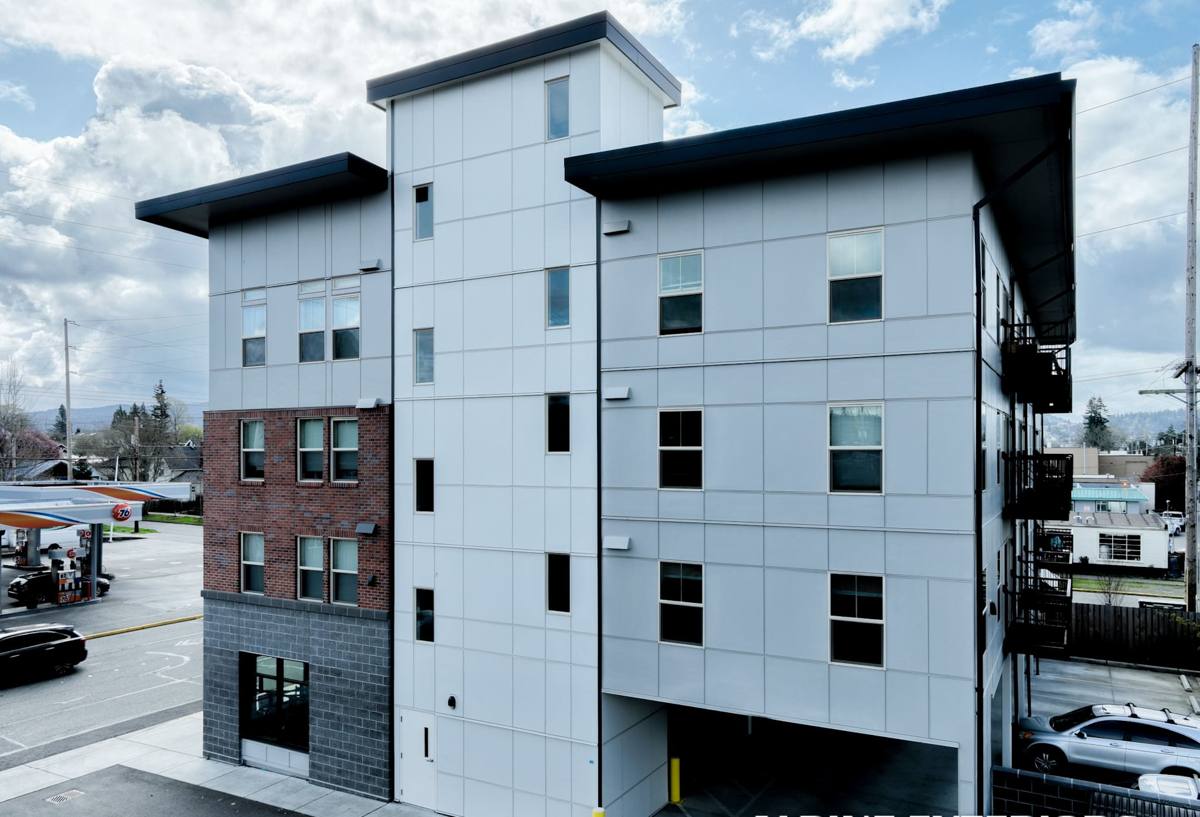
Why Siding Fails Faster Around Cascade Lake
Salt Air and Moisture
Even set back from saltwater, Orcas Island homes deal with salt-laden air that accelerates corrosion on fasteners, flashing, and any exposed metal trim. Combined with the humidity that collects around Cascade Lake, that salt exposure speeds up the breakdown of caulking, paint film, and any siding material that isn't built to shed moisture aggressively.
Driving Rain and Wind-Driven Exposure
San Juan County storms often come in sideways, not straight down. Wind-driven rain finds gaps in flashing, laps, and trim joints that would never leak in a calmer climate. Over time, water pushed into those seams travels behind the siding rather than running off the face of it — which is how rot starts on the sheathing side, invisible until the siding itself starts to fail.
The Long Moss Season
Cascade Lake's tree cover and lake-side humidity mean moss and algae get a much longer growing season here than in more open parts of the island. Moss holds moisture directly against the siding surface for months at a time, which is exactly the condition that rots wood-based products and stains even durable materials if it isn't kept in check.
Signs Your Siding Needs Repair, Not Just a Repaint
A lot of siding problems get masked with paint for a season or two before they resurface worse. Here's what actually signals a repair is needed:
- Soft or spongy spots when you press on the siding, especially near the bottom courses or under windows
- Visible gaps, cracking, or separation at butt joints and corner trim
- Persistent dark streaking or moss growth that returns within weeks of cleaning
- Paint that's bubbling, peeling, or failing in patches rather than evenly across a wall
- Warping, buckling, or boards that no longer sit flat against the wall
- Rust staining below nail heads or trim fasteners
- Interior signs — musty smell, discoloration, or soft drywall on an exterior wall
Any one of these on its own might be minor. Several together, especially on a north- or lake-facing wall, usually means moisture has already gotten behind the cladding.
What a Correct Siding Repair Actually Involves
A repair that just replaces the visible damaged board and re-caulks the edges is a patch, not a fix. Done right, a siding repair on a home like the ones around Cascade Lake includes:
- Removing enough surrounding material to actually see the sheathing and framing behind the damaged section, not just the board itself
- Checking moisture content with a meter on the sheathing and adjacent framing, not just a visual look
- Inspecting and correcting flashing at windows, doors, and horizontal trim breaks — the most common source of hidden water entry
- Replacing damaged sheathing or framing if the moisture has gone that far, before any new siding goes back on
- Matching material and reveal so the repaired section doesn't stand out as a patch job from the street
- Re-sealing correctly — the right sealant, in the right joints, not caulk smeared over everything as a catch-all
Skipping the "look behind it" step is the single most common shortcut in siding repair, and it's the one that lets the same problem come back in a year or two.
Repair or Replace? How We Help You Decide
Not every problem area needs a full re-side, and not every repair is worth doing on its own. We look at the whole picture before recommending either path.
| Factor | Leans Toward Repair | Leans Toward Replacement |
|---|---|---|
| Extent of damage | Isolated to one or two areas | Recurring in multiple locations across the home |
| Age of existing siding | Under 10-15 years, otherwise sound | Original siding is decades old or already past its service life |
| Underlying material | Fiber cement or sound wood in good condition | Wood-based product with widespread rot or delamination |
| Moisture intrusion | Surface-level, sheathing tests dry | Sheathing or framing shows sustained wet readings |
| Cosmetic match | Original product still available or close match exists | Discontinued profile or color, patch would be visibly mismatched |
If the damage is contained and the structure behind it is sound, a targeted repair is the honest recommendation — we're not going to push a full re-side on a home that doesn't need one. But if we open a wall and find the rot has spread, or the existing siding is a wood-based product that's failing broadly, we'll tell you that plainly and explain what replacement with James Hardie fiber cement would involve instead.
Our Cascade Lake Siding Repair Process
- On-site assessment. We walk the exterior, check every wall for the warning signs above, and use a moisture meter on any area of concern.
- Open and inspect. Where damage is suspected, we remove enough siding to see the sheathing and framing directly rather than guessing from the surface.
- Written scope and estimate. You get a clear explanation of what we found, what needs to happen, and what it costs before any repair work starts.
- Correct the source, not just the symptom. Flashing, moisture barriers, and framing get addressed first — new siding over an unresolved leak path just buys you a few more years before the same repair.
- Material match and install. We match reveal, profile, and finish as closely as possible so the repair blends into the existing wall.
- Final seal and cleanup. Proper caulking at the right joints, site cleanup, and a walkthrough so you know what was done and why.
Why a Crew That Works Cascade Lake Regularly Matters
Island work isn't the same as mainland work. Material has to be ordered and staged around ferry schedules, which means a contractor who doesn't plan for Orcas Island logistics can leave a repair half-finished while waiting on a board that should have been on-island already. A crew that regularly works Cascade Lake and the surrounding areas already knows which wall orientations take the worst weather, where moss builds up fastest, and what a typical repair here actually requires — so the first estimate is closer to the real scope, not a guess that changes once the wall comes open.
Local experience also matters for sequencing repairs around San Juan County's weather windows. Wind-driven rain and the wetter months make some repairs riskier to leave open partway through, and a crew that works this area knows how to time the job so a wall isn't left exposed longer than it needs to be.
What We Use for Repair and Patch Sections
We install James Hardie fiber cement siding exclusively, and that includes repair and patch work. When we're replacing a damaged section, we match it with Hardie's ColorPlus factory-finished boards rather than reaching for a different material to fill the gap. That keeps the repaired section performing the same way as the rest of the wall — non-combustible, dimensionally stable, and finished with the same factory-baked color so it doesn't fade or weather differently than the surrounding siding.
We don't patch fiber cement repairs with vinyl or LP SmartSide, and we don't recommend those products for repair sections even when a homeowner already has them elsewhere on the house. Mixing materials on a repair usually means mixing failure timelines too — the patch ages differently than the original, and you end up doing the same repair again on a different schedule. If a home's existing siding is a wood-based or vinyl product that's failing broadly rather than in one spot, we'll talk through whether a full re-side with Hardie makes more sense than chasing recurring patches.
Keeping Repaired Siding Protected Going Forward
A good repair buys you years, but a few habits keep it — and the rest of your siding — performing well in this climate:
- Keep gutters clear so water isn't overflowing directly onto siding below
- Trim back branches and vegetation that keep a wall shaded and damp
- Wash moss and algae off with a soft-wash approach rather than a high-pressure blast that can drive water behind boards
- Have caulking and trim joints checked every couple of years, since sealant is the first thing to give out in this air
- Walk the exterior after major storms and note any new staining, soft spots, or gaps early, while they're still a repair and not a replacement
If you're seeing moss buildup, soft siding, or staining on your Cascade Lake home, we're happy to take a look and give you a straight answer on whether it's a repair or something bigger. Reach out for a free, no-pressure estimate — someone from our crew will walk the exterior with you and explain exactly what we find.