 Orcas Island Siding
 Building New in Crow Valley Means One Chance to Get Windows Right
New construction gives you an advantage that a remodel never does: the walls are open, the framing is exposed, and there's no old flashing or rotten sill to work around. That's also exactly why mistakes made now are so expensive to fix later. Once the siding, trim, and interior finish go on, a poorly flashed window opening in a Crow Valley home won't show a problem for a year, two years, sometimes longer — and by the time it does, the fix means tearing back finished work instead of a five-minute flashing detail during framing.
We install new-construction windows on homes throughout Orcas Island and the rest of San Juan County, and Crow Valley's mix of open pasture, tree-lined lots, and proximity to tidal air brings its own set of conditions worth planning for before the first window ever gets set.
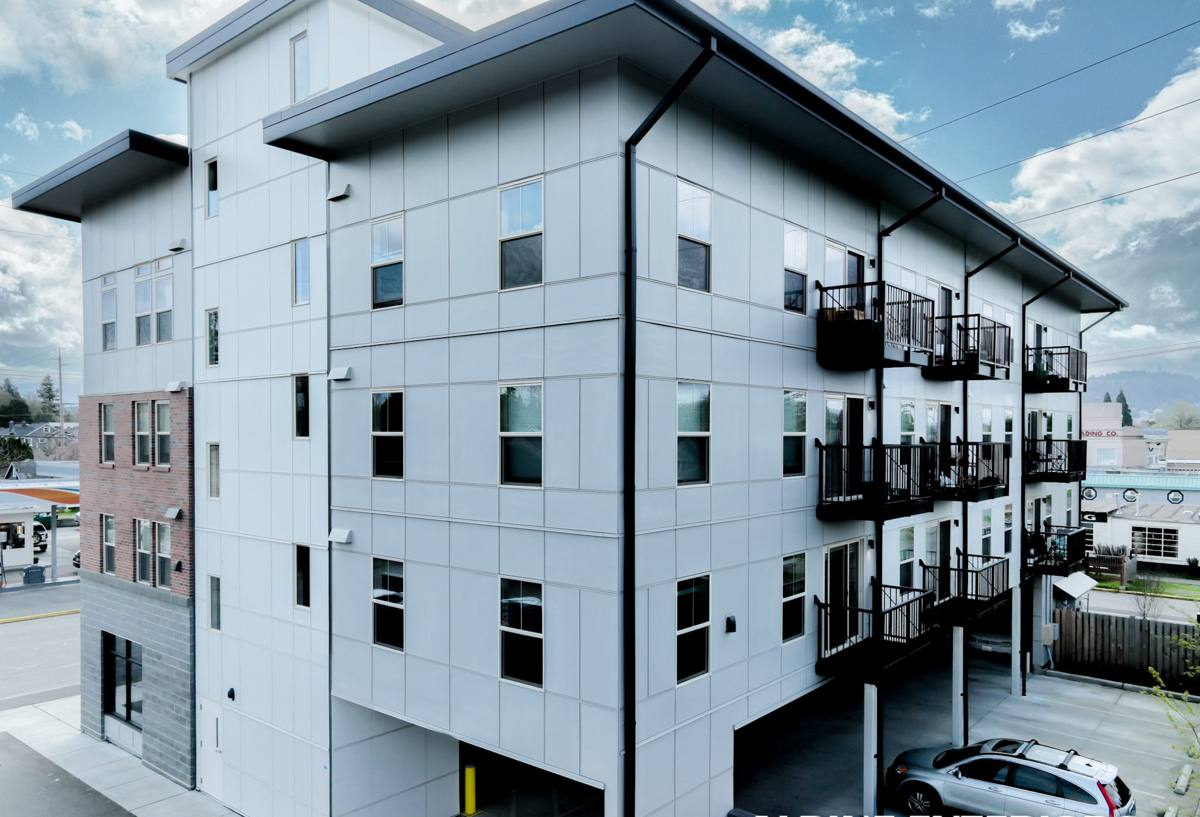
What Crow Valley's Climate Actually Asks of a Window Installation
Crow Valley sits inland from the shoreline, which softens some of the direct salt exposure homes closer to the water deal with, but it doesn't eliminate it. Salt-laden air still moves through the valley on a west wind, and it settles on hardware, sealants, and any exposed fastener over time. Add in the long, wet stretch of driving rain that defines a San Juan County winter, plus a moss season that can run from fall through spring in the shaded, tree-heavy parts of the valley, and you've got three separate stressors a window assembly has to shrug off for decades, not just survive its first winter.
Salt Air
Salt exposure doesn't rot a window outright, but it accelerates corrosion on hardware, cladding fasteners, and any exposed metal trim. It also degrades certain sealants faster than a dry inland climate would, which matters most at the joints and perimeter — the places that are supposed to keep water out in the first place.
Driving Rain
Wind-driven rain doesn't just fall on a window, it gets pushed sideways into it. That means the flashing detail around the rough opening matters more here than it would in a calmer climate. A window that's simply caulked around the edge instead of properly flashed and integrated with the water-resistive barrier will eventually leak — usually during the exact kind of storm that makes it hardest to notice until it's already inside the wall.
Moss and Shade
Wooded and partially shaded lots, common in Crow Valley, hold moisture longer after a storm passes. Moss and algae growth on sills, trim, and lower sashes isn't just cosmetic — sustained dampness against wood trim or an undersized drainage path at the sill is what eventually leads to rot, swelling, or a window that stops operating smoothly.
Getting the Rough Opening and Flashing Sequence Right the First Time
The single biggest difference between a window installation that lasts and one that fails early isn't the window itself — it's what happens at the rough opening before the window ever goes in. New construction is the best possible time to do this correctly, because everything is still accessible.
The Flashing Sequence That Actually Sheds Water
Water has to be directed out of the wall assembly, not just blocked from entering it — because over the life of a house, some water always finds its way to the opening. That means:
- A sloped sill pan under the window, so any water that gets past the sash drains back outside instead of pooling at the sill
- Flashing tape or self-adhering membrane integrated with the water-resistive barrier in the correct shingle-lap order — jambs before head, head lapping over the jambs, never the reverse
- A drip cap or head flashing above the window that kicks water away from the top of the opening, not just a bead of sealant relying on adhesion alone
- Sealant used only where it belongs — as a secondary barrier at specific joints, not as the primary defense against water intrusion
Nailing Fin vs. Block Frame: Choosing the Right Approach for the Build
Most new-construction windows in this region use a nailing fin that fastens directly to the sheathing before siding goes on, which integrates cleanly with a standard WRB and flashing sequence. Some homes — particularly those with masonry veneer, thicker wall assemblies, or certain architectural styles — call for a block-frame or receptor approach instead. The right choice depends on the wall assembly your builder has designed, not a one-size-fits-all preference, and it's worth confirming before window ordering rather than after.
Choosing Frame Material and Glass for a Crow Valley Build
There's no single "best" window material — there's a best fit for your home's exposure, your maintenance appetite, and your budget. Here's how the common options actually compare for a home in this climate:
| Frame Material | Salt-Air Durability | Maintenance | Best Fit |
|---|---|---|---|
| Vinyl | Good — won't corrode; UV-stable finishes hold up well | Low — no painting, occasional wash-down | Value-focused builds, rental or secondary homes |
| Fiberglass | Very good — dimensionally stable, resists warping in wet-dry cycling | Low to moderate | Homes wanting a slimmer sightline and long-term stability |
| Wood-Clad | Good on the exterior clad face; interior wood needs protection from condensation | Higher — periodic finish maintenance, careful interior humidity control | Homes prioritizing interior wood appearance |
| Aluminum | Fair — prone to corrosion near salt air unless properly finished | Moderate | Specific architectural or commercial-style applications |
For glass, a dual-pane low-E unit with argon fill is the standard starting point almost everywhere in San Juan County now, and it's the right baseline for Crow Valley too. Where a home faces open exposure to weather on the prevailing wind side, we'll sometimes talk through a heavier-duty glass package or upgraded weatherstripping — not because the standard package is inadequate, but because a west- or southwest-facing wall of glass takes more direct rain impact over the years than a sheltered one does.
Our New-Construction Window Process
Coordinating window installation on a new build means working alongside your builder or general contractor, not around them. Our process on Crow Valley projects typically looks like this:
- Plan review — we go through the window schedule and elevations with you and, where applicable, your builder, confirming sizes, swing/operation types, and any structural or egress requirements before ordering
- Product selection — matching frame material and glass package to each elevation's actual exposure, not a blanket spec across the whole house
- Rough opening verification — checking that framed openings are square, plumb, and sized correctly before the windows arrive on site, so there's no scramble mid-install
- Flashing and installation — sill pan, WRB integration, window setting, and head flashing done in the correct sequence, with shims and fasteners set to keep the frame square and true
- Interior and exterior trim coordination — timing our work with the siding and interior finish crews so nothing gets covered up before it's checked
- Final walkthrough — testing operation on every window, confirming weatherstripping seats correctly, and reviewing care basics with you before we consider the job done
What a Correct Installation Looks Like — A Practical Checklist
Whether you're hiring us or simply want to know what to expect from any crew working on your new build, these are the things worth confirming before drywall or siding closes the opening up:
- Sill pan flashing is present and sloped to drain outward, not flat or sloped inward
- Flashing tape follows the correct shingle-lap order relative to the house wrap
- Head flashing or a drip cap directs water away from the top of the window, independent of sealant
- The window is shimmed square and plumb, not just tacked in place and caulked around
- Sealant is used at specific joints as a backup, not as the sole water barrier
- Every sash or casement operates smoothly and locks fully before the crew leaves
- Exterior cladding and trim details don't trap moisture against the window frame
Timing and Coordination With Your Builder
One of the most common headaches on a new build is a window order that doesn't match the framed openings, or a delivery schedule that doesn't line up with when the crew is ready for them. We coordinate directly with builders and GCs on Orcas Island to confirm lead times, verify rough openings against the actual window order before it ships, and schedule our crew to arrive when the house is genuinely ready — not before, and not so late that it holds up siding or interior work. On an island, freight delays and ferry schedules add a layer most mainland builds don't have to think about, so we build extra lead time into ordering rather than leaving it to chance.
Why Hire a Crew That Already Works Crow Valley
A window installer who's done work throughout Crow Valley and the rest of Orcas Island already understands the practical realities that don't show up in a spec sheet: which lots hold moisture longest after a storm, how prevailing weather hits different orientations across the valley, and how to sequence a job around ferry-dependent material deliveries without leaving a house exposed. That local familiarity doesn't replace good technique — flashing done correctly is flashing done correctly anywhere — but it does mean fewer surprises, fewer delays, and a crew that's already calibrated to what actually holds up here versus what merely looks good on paper.
We also stand behind the installation itself, not just the window unit's manufacturer warranty. If something about our flashing or install work fails, that's on us to make right — which is part of why we're careful to do it correctly the first time, on every opening, on every home.
If you're planning a new build in Crow Valley or elsewhere on Orcas Island, we're happy to walk the plans with you and talk through window selection before you're locked into an order. Reach out for a free, no-pressure estimate using the form below.