 Orcas Island Siding
 Windows Built for a Friday Harbor Climate, Not a Catalog Climate
Friday Harbor sits in the San Juan Islands, and that location comes with a specific set of demands most window installers on the mainland never have to think about. Salt-laden air off the water, wind-driven rain that hits window walls sideways instead of straight down, and a long, damp moss season that keeps wood and trim wet for weeks at a time all add up. A window that performs fine in a dry inland climate can start failing here within a few years if it wasn't chosen and installed with this environment in mind.
We work on homes across San Juan County, and Friday Harbor properties tend to fall into a few categories: older homes with original single-pane or early dual-pane windows that have fogged or gone soft at the frame, newer builds where a builder-grade window was installed to a price point rather than a climate, and waterfront or view homes where wind exposure is more aggressive than the rest of the island. Each of those situations calls for a different approach, but the underlying goal is the same — keep water out, keep the frame dry, and use materials that can shrug off salt air for decades instead of years.
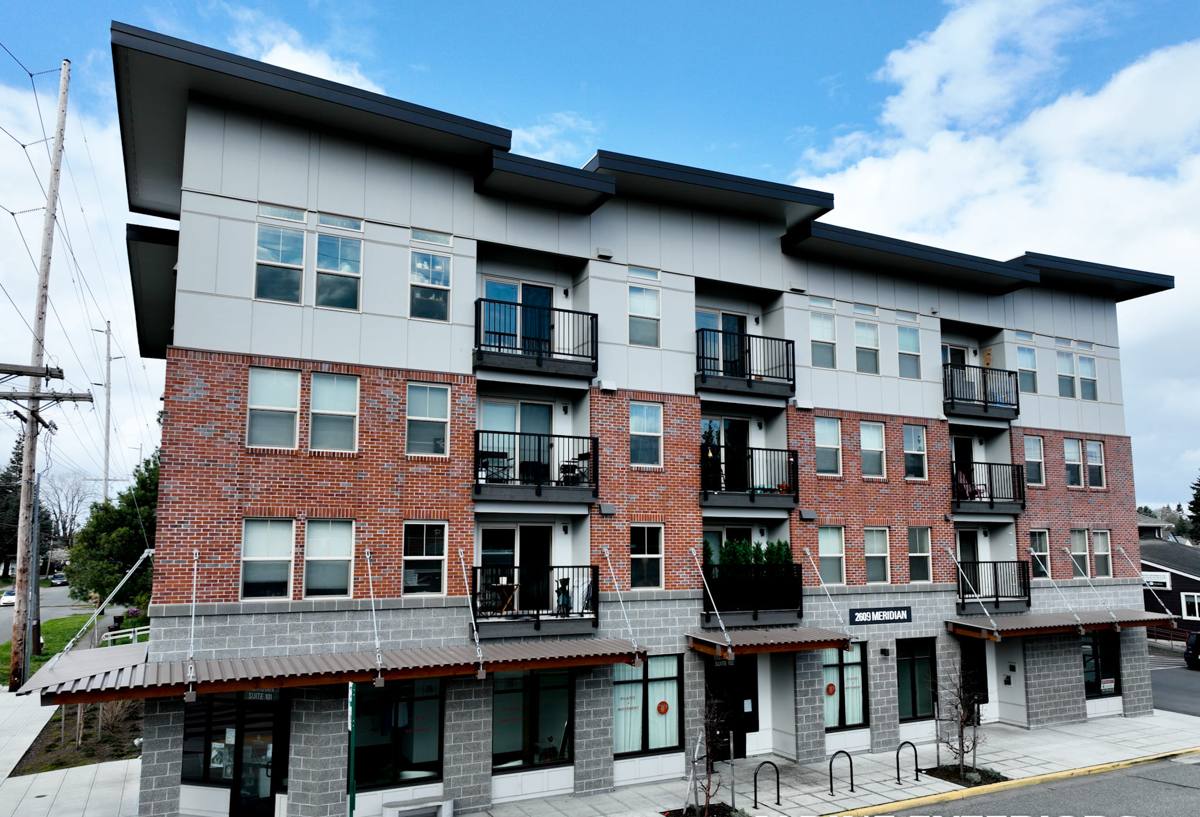
What Salt Air, Driving Rain, and Moss Season Actually Do to a Window
It helps to understand the specific failure modes before talking about solutions, because the marketing language on window products rarely addresses any of this directly.
Salt Air
Airborne salt is corrosive to exposed metal hardware — hinges, cranks, locks, and especially aluminum components that aren't specifically rated for marine or coastal exposure. Over time, salt exposure can pit finishes, seize moving hardware, and accelerate corrosion on fasteners that were never meant to sit this close to saltwater. Homes closer to the water's edge see this faster than homes set back or shielded by tree cover.
Driving Rain
Rain that comes in sideways during a storm tests a window's flashing and drainage far more than a light, straight-down rain ever will. A window that's watertight in a calm shower can still leak during a wind-driven storm if the flashing details, sill pan, and sealant joints weren't done correctly at installation. This is almost always an installation issue, not a product issue — the window itself is rarely the point of failure.
Moss and Persistent Moisture
The long wet season here keeps north-facing walls, shaded trim, and window sills damp for extended stretches. Wood sills and trim that aren't properly sealed or that lack adequate drainage can hold moisture long enough for rot to set in, and moss growth on horizontal surfaces traps even more water against the wood. This is less about the glass and more about everything around it — the sill, the trim, and the sealant.
What a Correct Custom Window Installation Involves
"Custom" windows means the window is built to the exact rough opening rather than forcing a standard size to fit, which matters a lot in older Friday Harbor homes where openings are rarely perfectly square or standard-sized after decades of settling. But sizing is only part of it. The installation details matter just as much as the window itself.
Flashing and Water Management
Every opening gets a sill pan and properly lapped flashing so that any water that does get past the window sheds outward and downward, never inward toward the framing. This is the single most important part of a coastal window install and the part that's easiest to shortcut if you're not paying attention. Done wrong, a brand-new window can leak within a year. Done right, it will outlast the warranty by decades.
Sealant and Joint Detailing
We use sealants rated for exterior, marine-adjacent exposure, and we pay attention to where a bead of caulk is doing structural water-sealing work versus where it's just cosmetic. Wind-driven rain finds every gap, so joints get backed up with proper flashing rather than relying on caulk alone to do the job.
Hardware Selection
For homes with more direct water exposure, we steer toward hardware and finishes with better corrosion resistance rather than standard-grade components that look fine in the showroom but corrode faster near saltwater.
Choosing the Right Frame Material for This Climate
There's no single "best" window material for every home — it depends on exposure, budget, and how the home looks architecturally. Here's how the common options actually hold up in a San Juan County marine climate:
| Material | Coastal Performance | Maintenance | Trade-offs |
|---|---|---|---|
| Vinyl | Good — won't rot or corrode | Low; occasional cleaning | Limited color/finish options; can look plasticky on higher-end homes |
| Fiberglass | Very good — stable in temperature swings, resists moisture | Low | Higher upfront cost than vinyl |
| Wood-Clad | Good on the exterior clad face; interior wood still needs care | Moderate — cladding protects the exterior, but sills and interior finish need attention | Best look for historic or traditional homes; more maintenance long-term |
| Aluminum | Poor unless marine-rated — prone to corrosion and pitting near saltwater | Higher; corrosion needs monitoring | We generally steer clients away from standard aluminum for direct water-facing exposures because of long-term corrosion risk, not because the product is defective |
For most Friday Harbor homes we end up recommending vinyl or fiberglass for straightforward replacements, and wood-clad when the home's architecture calls for it and the owner is willing to keep up with the added maintenance. We'll walk through the honest trade-offs for your specific home and exposure rather than pushing one product line across the board.
Our Process, From Estimate to Finished Install
- On-site assessment. We look at each opening individually — framing condition, current flashing (if any), sill condition, and exposure to wind and water.
- Honest recommendation. We tell you what's actually needed versus what's optional, including whether trim or sill repair should happen before the new windows go in.
- Custom measurement and ordering. Each window is built to the specific opening rather than forced to fit a standard size.
- Removal and inspection. When we pull the old window, we check the framing underneath for hidden rot or moisture damage before anything new goes in — this is often where problems get found that weren't visible from outside.
- Correct flashing and sealing. Sill pan, flashing, and sealant details are done to shed water outward, not just caulked shut.
- Final check and cleanup. We test operation, check seals, and walk the finished work with you before we consider the job done.
Signs Your Current Windows Are Already Failing
Because leaks and rot often start hidden behind trim or inside the wall cavity, by the time you see obvious damage the problem has usually been developing for a while. Watch for:
- Fogging or moisture between panes of dual-pane glass — a sign the seal has failed
- Soft, spongy, or discolored wood at the sill or surrounding trim
- Difficulty opening, closing, or locking a window that used to operate smoothly
- Drafts or noticeable temperature difference near the window when it's shut
- Visible gaps in old caulk or sealant, especially on wind-exposed walls
- Peeling paint or bubbling finish on interior sills, often a sign of moisture intrusion
- Musty smell near a window during or after wet weather
- Moss or persistent green growth on horizontal sills or nearby trim
One or two of these can sometimes be a minor fix. Several together usually means the window and its surrounding flashing have reached the end of their useful life.
Why Hiring a Crew That Already Works Friday Harbor Matters
Working in the San Juan Islands has its own logistics that a mainland contractor unfamiliar with the area often underestimates. Materials, crews, and equipment have to be scheduled around ferry sailings, which affects timelines if a job isn't planned around it from the start. A contractor who already works this area on a regular basis has that scheduling built into how they bid and run jobs, rather than treating it as a surprise mid-project.
There's also a practical knowledge factor. A crew that has installed windows on enough Friday Harbor and San Juan County homes has already seen how wind exposure varies block to block, how older island homes tend to be framed, and which details actually matter for this specific climate versus generic installation instructions written for a national audience. That local experience shows up in fewer callbacks and windows that perform the way they're supposed to for the long haul.
Keeping New Windows Performing Through Moss Season
A correctly installed window still benefits from basic upkeep in this climate. Keeping sills and tracks clear of moss and organic debris prevents trapped moisture from sitting against the frame. Checking exterior caulk lines once a year, especially after a hard winter, catches small gaps before they become leaks. And keeping gutters and nearby drainage clear reduces the amount of water running past window openings during heavy storms. None of this is difficult, but it's the kind of small maintenance that meaningfully extends the life of a window in a wet, salt-air climate.
If you're dealing with drafty, foggy, or leaking windows in Friday Harbor, or you're planning ahead for a remodel, we're glad to take a look and give you a straightforward, no-pressure estimate — just fill out the form below.