 Orcas Island Siding
 Deck Repair Built for Obstruction Pass Conditions
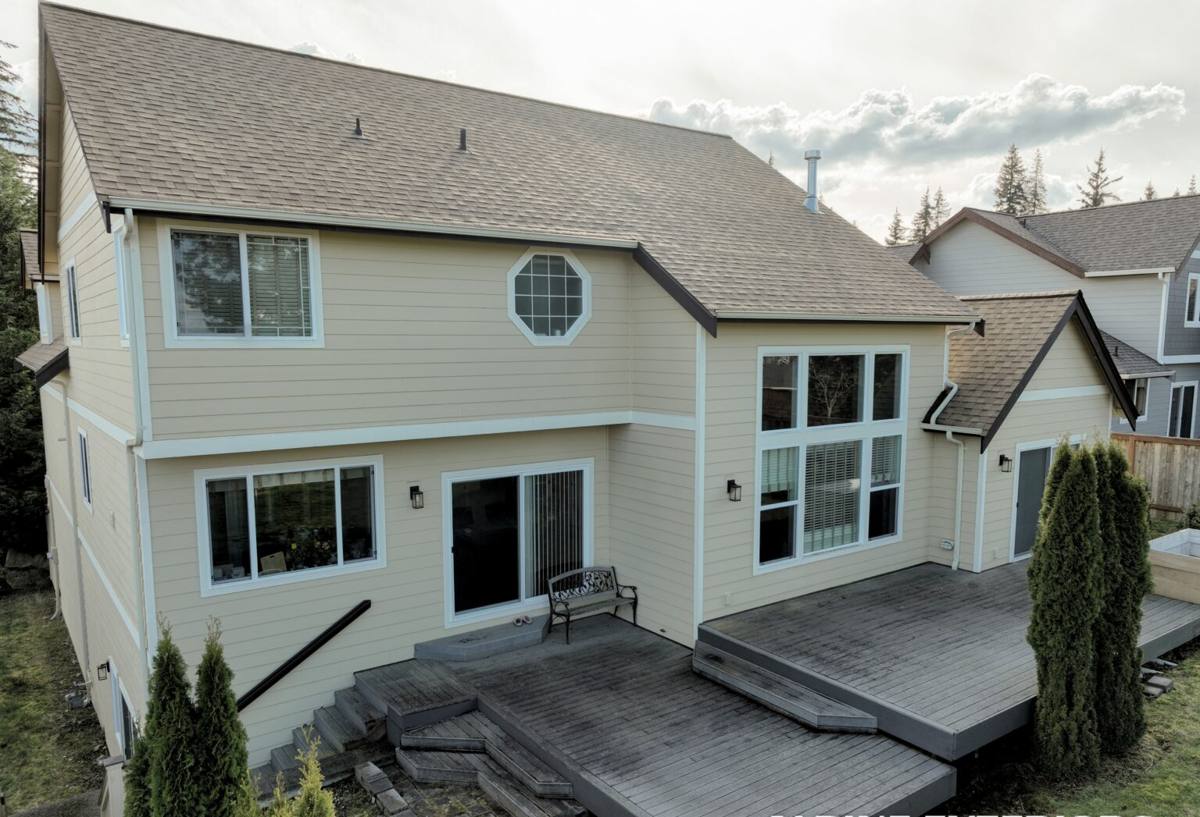
A deck on the southeast side of Orcas Island doesn't age the way a deck does in a dry inland town. Out toward Obstruction Pass, the wood, fasteners, and framing underneath a deck are dealing with salt-laden air off the water, long stretches of driving rain through fall and winter, and a moss season that can run for months on shaded, north-facing boards. None of that is exotic or rare here — it's just the normal cost of living on the water in San Juan County. The problem is that most deck repair work gets done by whoever happens to be available, not by a crew that actually understands how this specific environment breaks a deck down. We work Obstruction Pass regularly, and this page is about what deck repair looks like when it's done for these conditions specifically, not for a generic mainland deck.
What the Climate Does to a Deck Out Here
Salt Air and Metal Fasteners
Salt air doesn't just sit on the surface of a deck — it works into every joint, screw head, and bracket. Standard fasteners and hardware that would last decades in a drier, inland climate can start corroding years earlier this close to the water. Once a fastener weakens, the board around it loosens, moisture gets into that gap, and the problem accelerates. This is one of the most common reasons a deck that "looks fine" from a distance turns out to have soft, failing connections when you actually get down and check it.
Driving Rain and Ledger Rot
The ledger board — where the deck attaches to the house — is the single most important structural connection on most decks, and it's also the spot most exposed to wind-driven rain in this part of the island. Where flashing was installed poorly or has failed over time, water gets behind the ledger and starts rotting it from the inside, often long before any damage is visible from the top or underneath. Framing hidden under decking boards is the second most common trouble spot for the same reason: water finds its way in and just sits.
Moss Season and Surface Wear
Shaded decks under tree cover, which describes a lot of properties around Obstruction Pass, hold moisture longer and grow moss and algae for a good part of the year. Beyond making the surface slick and unattractive, moss holds water against the wood constantly, which speeds up surface decay and can mask deeper rot underneath a green, fuzzy layer that looks purely cosmetic but isn't always.
Signs Your Deck Needs Repair, Not Just Cleaning
A pressure wash or a fresh coat of stain can make a tired deck look better without addressing what's actually happening underneath it. Here's what should prompt an actual inspection rather than just a cleaning:
- Boards that feel spongy, bouncy, or noticeably softer in one area than the rest of the deck
- Rust streaking around screws, nails, or metal connectors
- Gaps opening up where the deck meets the house, or visible daylight behind the ledger board
- Persistent moss or dark staining that returns within weeks of cleaning
- Railings or posts that wiggle more than they used to
- Any visible sagging, especially near stairs or at the outer edge of the deck
- A musty smell coming from underneath the deck structure
Any one of these on its own might be minor. Several together usually mean moisture has been working on the structure for a while.
Repair vs. Replace: How We Decide
Not every deck problem calls for a full rebuild, and not every deck is worth patching. The honest answer depends on what's actually happening below the surface, not just how the deck looks.
| Factor | Favors Repair | Favors Replacement |
|---|---|---|
| Framing condition | Solid, dry joists and beams | Widespread rot in structural framing |
| Ledger connection | Sound, properly flashed | Rotted or improperly flashed ledger |
| Extent of damage | Isolated boards or fasteners | Damage spread across most of the deck |
| Age of structure | Newer build, isolated failure | Original deck decades old, multiple systems failing |
| Code/railing compliance | Meets current standards | Outdated railing height or spacing |
Most decks we're called out to see fall somewhere in the middle — sound framing with specific problem areas that need real attention. That's the sweet spot for repair, and it's usually the more cost-effective path as long as the structural bones are still good.
What a Correct Deck Repair Involves
Structural Inspection First
Before any board gets pulled or replaced, we check the framing underneath — joists, beams, posts, and the ledger connection to the house. This is the step that gets skipped by crews trying to move fast, and it's the step that determines whether a repair actually holds up through another wet season or just covers the surface for a year or two.
Flashing and Ledger Connection
If the ledger board or its flashing is compromised, that gets fixed properly rather than patched around. Correct flashing directs water away from the house-to-deck connection instead of letting it collect there, which matters more here than almost anywhere else on the exterior given how much wind-driven rain this side of the island sees.
Fastener and Hardware Upgrades
Where corrosion is part of the problem, we replace failing fasteners and structural hardware with connectors rated for the kind of exposure a waterfront or near-waterfront property actually experiences, not just whatever was code-minimum when the deck was originally built.
Board Replacement and Matching
Individual board replacement is common and reasonable — there's no need to rebuild an entire deck because a handful of boards have failed. We match species, dimension, and fastening pattern as closely as possible so the repaired sections perform the same as the surrounding deck rather than becoming the next weak point.
Decking Material Trade-Offs for This Environment
When boards need full replacement, the material choice matters more here than in a drier climate. Each option has real trade-offs, and our job is to lay those out honestly rather than push whatever's easiest to install.
| Material | Strengths Here | Trade-Offs |
|---|---|---|
| Pressure-treated wood | Lower upfront cost, easy to source and repair in sections | Needs regular sealing/staining; more prone to moss without upkeep |
| Cedar | Naturally rot-resistant, ages well visually | Softer surface, still needs periodic sealing near salt air |
| Composite decking | Resists rot and moss buildup better than wood | Higher upfront cost; surface can still get slick and needs occasional cleaning |
There's no single "correct" material for every deck out here — it depends on your budget, how much upkeep you want to do, and how exposed the deck is to weather and shade. We'll walk through the honest maintenance expectations for whichever direction makes sense for your property.
Our Process on Orcas Island
- On-site inspection. We look at the deck from the framing up, not just the surface, including the ledger connection and anything hidden underneath.
- Straight assessment. We tell you what's actually wrong, what's cosmetic versus structural, and whether repair or replacement makes more sense.
- Written estimate. Clear scope and pricing before any work starts — no surprise add-ons once we're into the job.
- Repair work. Framing and flashing corrections first, then board and hardware replacement, done to hold up through the next wet season, not just look good short-term.
- Cleanup and walkthrough. We leave the site clean and walk the finished repair with you before we call it done.
Why a Crew That Already Works Obstruction Pass Matters
Getting a contractor out to this part of Orcas Island takes planning — ferry schedules, travel time, and material logistics all factor into scheduling in a way they don't for a mainland job. A crew that already works this area has that figured out, which means fewer delays and fewer surprises about timeline. More importantly, we've seen how decks in this specific stretch of San Juan County actually fail — where the rot tends to start, which connections corrode first, how much moss buildup is normal versus a sign of a bigger drainage problem. That's the kind of judgment that only comes from repeated work in this exact climate, not from a general handyman background or a crew that's only seen decks in a different part of the state.
If you're noticing soft spots, corrosion, persistent moss, or just want an honest read on whether your deck needs repair or replacement, we're glad to come take a look. The estimate is free, there's no pressure attached to it, and you'll get a straight answer either way — just fill out the form below to get started.