 Orcas Island Siding
 Why Friday Harbor Windows Take a Beating
Homes in Friday Harbor sit in one of the more demanding window environments in the state, even though the weather feels mild most of the year. It isn't extreme cold that wears out windows here — it's the combination of salt-laden air off the water, wind-driven rain that hits siding sideways during winter storms, and a moss season that can stretch from fall through spring. Salt air corrodes exposed hardware, weep systems, and cheaper metal components faster than it would inland. Driving rain finds any gap in flashing or sealant and pushes water where gravity alone never would. And the long stretch of damp, low-light months keeps wood trim, sills, and siding wet for days at a time, which is exactly the condition rot and moss need to take hold.
None of this means windows in San Juan County need to be replaced constantly. It means the ones installed here need to be detailed correctly the first time, because a small mistake in flashing or sealing doesn't just cause a minor draft — it can lead to hidden water intrusion that isn't obvious until trim or framing has already started to fail.
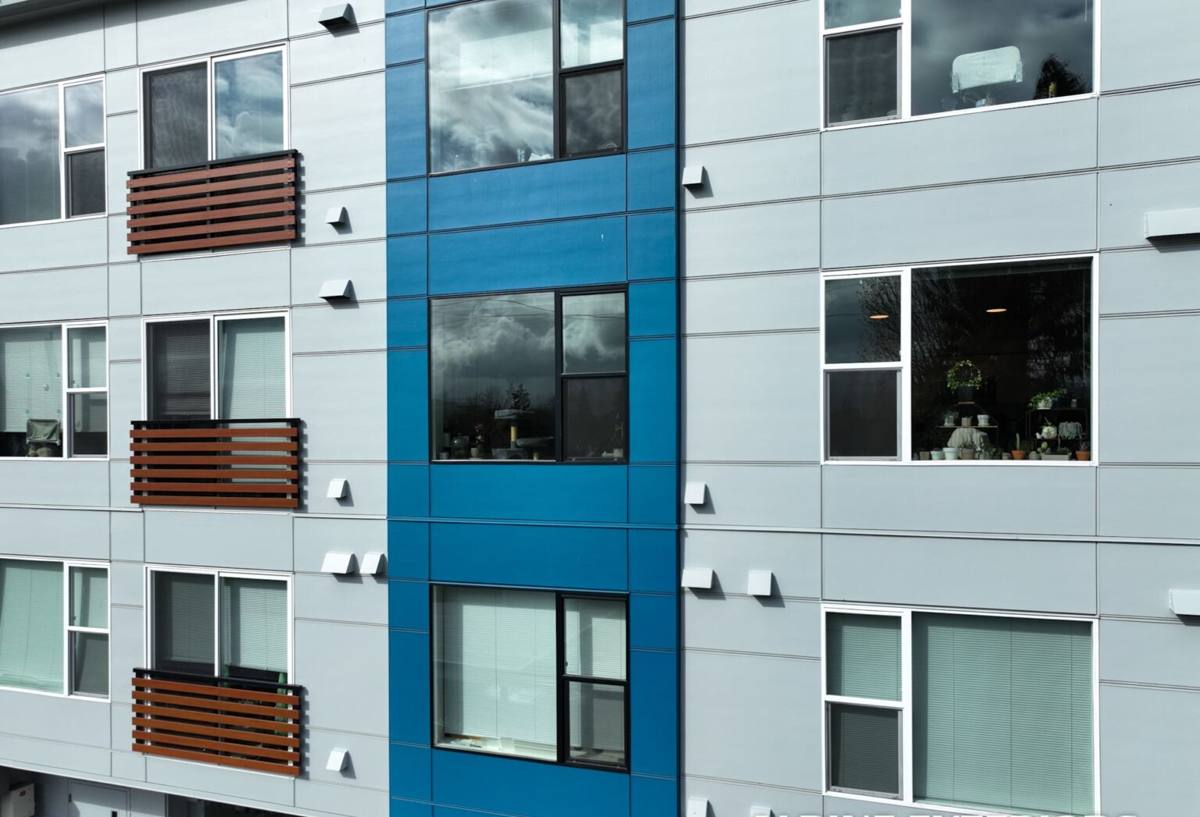
Signs Your Windows Need Replacing, Not Just Repair
Not every window problem calls for full replacement. Some issues are hardware fixes or re-caulking jobs. But certain signs point to a window that's past the point where patching makes sense, especially in a marine climate like this one.
- Fogging or a milky haze between the panes of a double-pane unit — the seal has failed and can't be repaired
- Soft, spongy, or discolored wood at the sill, jamb, or bottom corners
- Noticeable drafts on windy days, even with the window fully latched
- Windows that are painted or swollen shut, or sashes that won't stay up on their own
- Visible daylight or gaps around the frame where it meets the siding or trim
- Heavy interior condensation on the glass or frame during colder, wetter months
- Rot, staining, or soft spots on the exterior casing or trim around the opening
- A steady climb in heating costs with no other explanation
If you're seeing one or two of these, it's worth a look before deciding whether repair or replacement makes more sense. If you're seeing several at once on the same window, that's usually a sign the whole unit — and possibly the framing behind it — needs attention.
What a Correct Replacement Actually Involves
Tear-Out and Hidden Damage Check
Removing the old window is the point where problems that weren't visible from inside or outside finally show up. Rot in the framing, soft sheathing, or a sill that's been absorbing water for years often hides behind trim until the old unit comes out. A correct job stops at this point to assess and repair that damage before anything new goes in — installing a new window over compromised framing just repeats the same failure on a delay.
Flashing and Water Management
This is the single most important step in a climate that gets driving rain off the water. Proper flashing tape and, where called for, a sloped sill pan need to integrate correctly with the house's water-resistive barrier and siding so that any water that does reach the opening is directed back out, not into the wall cavity. This is also the step most likely to be rushed or skipped on a lower-quality job, and it's the one that causes the most expensive problems years later.
Setting, Shimming, and Sealing
A window needs to be set square, level, and plumb, shimmed correctly so it isn't stressed out of shape, and sealed with the right combination of low-expansion foam and exterior sealant compatible with the surrounding siding. Over-foaming or under-shimming are common shortcuts that lead to windows that stick, operate poorly, or develop gaps within a year or two.
Interior and Exterior Trim
The finish work — trim, caulking joints, paint-ready surfaces — is what protects everything underneath it. Gaps left in exterior caulking are an open invitation for the wind-driven rain this area gets every winter.
Choosing a Window Frame Material for Island Conditions
Frame material matters more here than it does in a drier, inland climate, because salt air and constant moisture exposure affect materials differently. Here's how the common options generally compare for a home in this environment.
| Material | Salt Air / Corrosion Resistance | Maintenance | Our Take |
|---|---|---|---|
| Vinyl | Good — won't corrode; UV and expansion/contraction quality varies by manufacturer | Low | Solid value option; stick with reputable manufacturers for hardware and seal quality |
| Fiberglass | Excellent — very stable, minimal expansion/contraction | Low | Strong long-term choice for this climate, typically a higher upfront cost |
| Wood / Wood-Clad | Fair — exterior cladding protects the wood, but any breach in the cladding lets moisture into the wood core | Higher — requires attentive upkeep | Can work well when detailing and maintenance are kept up; more exposure risk in a wet, salty climate |
| Aluminum | Poor to fair — prone to corrosion and condensation without thermal breaks | Moderate | Generally not our first recommendation for this climate unless thermally broken and well-finished |
We don't push one brand or material on every job. The right choice depends on your home's exposure, budget, and how much upkeep you want to take on — we'll walk through the honest trade-offs for your specific windows rather than a one-size-fits-all pitch.
Our Estimate-to-Install Process
- On-site assessment of each window opening, including a look at trim, sills, and siding condition around them
- Accurate measurements and a discussion of frame material, glass options, and style based on your home and budget
- A written proposal with clear scope — what's being replaced, how it's flashed and sealed, and what happens if hidden damage is found
- Scheduling around weather windows, since exterior work needs a reasonably dry stretch to do the flashing and sealing correctly
- Install day: tear-out, damage repair if needed, setting the new window, flashing, insulating, and sealing
- Final walkthrough to check operation, sealing, and finish work before we consider the job done
What Affects the Cost of Window Replacement in Friday Harbor
Every home is different, so we don't quote sight unseen, but these are the main factors that move the price up or down.
| Factor | Why It Matters |
|---|---|
| Number and size of windows | Larger openings and whole-house projects have different labor and material needs than a single window swap |
| Frame material and glass package | Vinyl, fiberglass, and wood-clad options carry different material costs; upgraded glass affects both price and performance |
| Retrofit vs. full-frame replacement | A full-frame replacement takes more labor but is often the right call when trim or framing is already compromised |
| Hidden rot or framing repair | Damage found at tear-out adds time and material that can't always be predicted until the old window is out |
| Access and material logistics | Getting windows and materials to island properties, and hauling old units away, factors into scheduling and cost |
| Code requirements | Egress sizing for bedrooms or safety glazing near doors and low sills can affect which products are eligible |
Why Hire a Crew That Already Works San Juan County
Window replacement logistics are different on the islands than they are in a mainland suburb. Materials and special orders travel by ferry, so getting measurements right the first time matters — a reorder because of an incorrect size isn't a quick fix, it's a delay measured in weeks. A crew that regularly works Friday Harbor and the surrounding San Juan Islands plans around ferry schedules and weather windows as a matter of course, rather than learning that the hard way mid-project.
There's also value in knowing the housing stock. Many homes in this area have older single-pane or early double-pane units, original wood trim, and siding details common to island construction from a particular era. Recognizing what's typical — and what's not — helps us spot problems during the estimate instead of finding surprises on install day. And if a warranty question comes up down the road, you're working with a crew that's still local and doesn't need to plan a special trip out to the islands to make it right.
Keeping New Windows Performing Through Moss Season
A properly installed window in this climate should need very little attention, but a bit of seasonal upkeep goes a long way in San Juan County's damp, salty air.
- Rinse salt residue off frames and hardware periodically, especially on windows facing open water
- Keep weep holes clear so any water that does get into the frame track can drain out
- Clear moss and organic debris away from sills, trim, and nearby gutters so it isn't holding moisture against the window
- Check exterior caulking annually and touch up any cracked or separated joints before winter rains set in
- Operate each window a few times through the year so hardware and weatherstripping don't stick or seize
If you're noticing drafts, fogged glass, or soft trim around your windows, or you're simply planning ahead before the next wet season, we're happy to take a look. Estimates are free, there's no pressure, and you'll get a straight answer about whether you need replacement, repair, or nothing at all — just fill out the form below.