 Orcas Island Siding
 Lopez Island Siding Has to Work Harder Than Most
Homes on Lopez Island deal with a combination of conditions that a lot of siding products simply were not designed for. Salt-laden air moves off the water and settles on exterior walls. Driving rain, pushed sideways by wind off the Sound, finds every gap in a poorly detailed wall system. And a long, damp moss season keeps north-facing and shaded elevations wet for weeks at a time. Any one of these on its own is manageable. Together, over years, they expose the weak points in siding that was chosen for looks or price instead of performance.
We install James Hardie fiber cement siding exclusively, and on Lopez Island jobs that decision matters more than it does in a lot of inland markets. This page walks through what the climate actually does to a wall, what a correct Hardie installation looks like out here, and how our process is built around working in San Juan County.
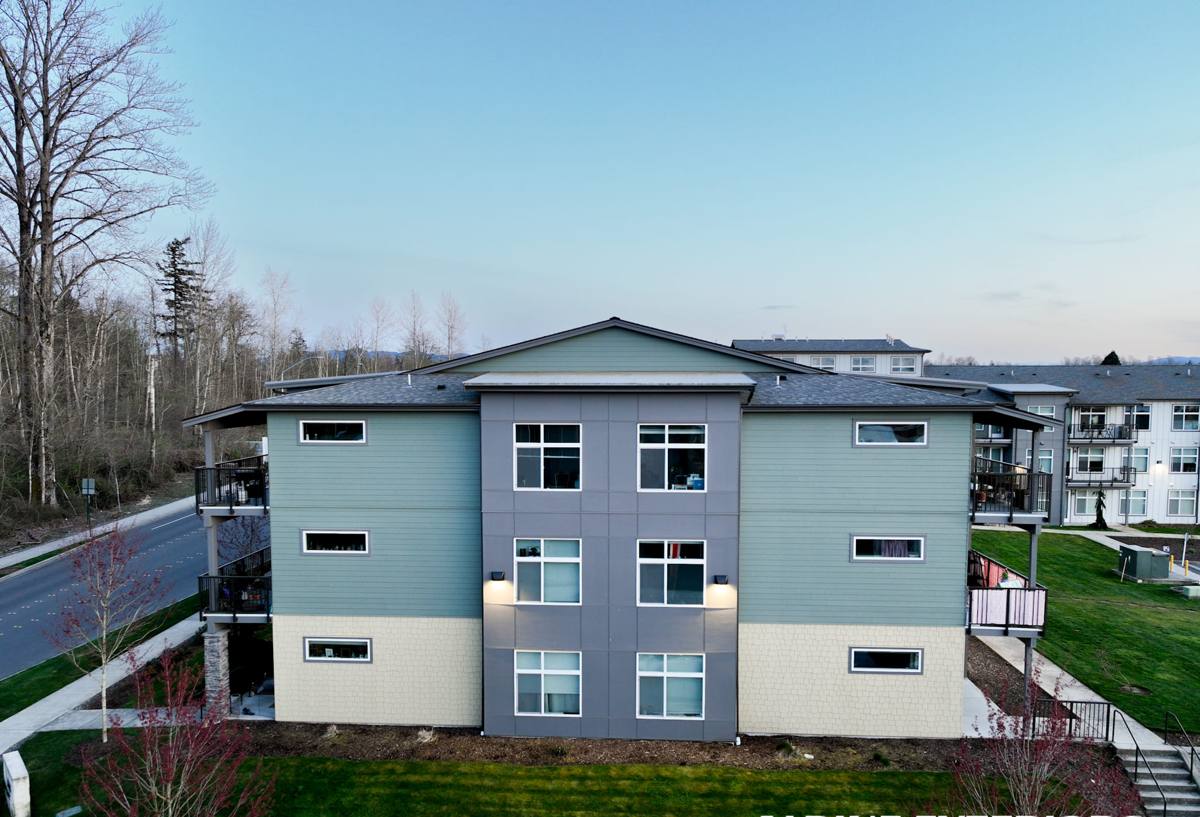
What Salt Air, Rain, and Moss Actually Do to a Wall
Salt Air and Coastal Exposure
Salt in the air is corrosive to metal fasteners, flashing, and trim if the wrong materials are used, and it accelerates the breakdown of finishes that aren't formulated to resist it. It also tends to hold moisture against surfaces longer than dry inland air would, which keeps organic growth and mildew active for more of the year.
Driving, Wind-Driven Rain
Rain that comes in at an angle, rather than falling straight down, gets pushed up and under laps, around trim, and into any joint that isn't properly flashed or caulked. A siding system depends on correct overlap, drainage behind the cladding, and sealed penetrations to keep that water moving out instead of in. Get any of those wrong and water finds its way to the sheathing, not just the surface.
Moss and Prolonged Dampness
Shaded, north-facing, and tree-covered elevations on Lopez Island stay damp for extended stretches, especially through fall and winter. Moss and algae take hold on any surface that can't shed water and dry out between rain events. On wood-based or poorly finished siding, that sustained moisture also feeds rot at seams, corners, and butt joints.
Why We Standardized on James Hardie for This Climate
James Hardie fiber cement is engineered from cement, sand, and cellulose fiber — it doesn't absorb and swell with moisture the way wood-based products do, and it isn't vulnerable to the corrosion issues that come with some metal or the UV breakdown that affects lower-grade vinyl. For a marine climate like San Juan County's, that composition is the starting point, not the whole story.
ColorPlus Factory Finish
Hardie's ColorPlus finish is baked on in a controlled factory environment rather than field-applied with a brush or sprayer. That finish resists fading and holds up to UV and salt exposure better than most site-applied paint, and it comes with its own finish warranty separate from the substrate warranty. On a coastal home, a finish that's failing at year eight instead of year twenty is a real cost, not a cosmetic annoyance.
HZ5 Engineered for Wet, Cold-Adjacent Climates
Hardie engineers its products in regional formulations — the HZ5 line is built for climates with more moisture cycling and freeze-adjacent conditions, which fits the Pacific Northwest better than a one-size-fits-all product. It's a meaningful difference from siding that's manufactured and sold the same way regardless of where it ends up.
Non-Combustible
Fiber cement doesn't contribute fuel to a fire the way wood-based or many synthetic sidings do. That's a genuine, practical benefit for any homeowner, independent of the moisture story.
What a Correct Installation Involves Here
Hardie siding is only as good as the installation behind it. The material resists moisture at the surface, but the wall assembly underneath still has to manage any water that gets past the cladding. On Lopez Island jobs we pay particular attention to:
- A properly lapped weather-resistive barrier (housewrap) installed shingle-style so water sheds outward, not into the wall cavity
- Correct flashing at every window, door, and roof-to-wall intersection, not just caulk standing in for flashing
- A minimum 1/4" gap maintained between siding and any horizontal surface (decks, roofs, walkways) so water and debris don't sit against the bottom edge
- Fastener placement and spacing per Hardie's published installation instructions — this is what keeps the manufacturer's warranty valid
- Corrosion-resistant fasteners and trim hardware suited to a marine environment
- Caulked and sealed butt joints and penetrations using a sealant compatible with ColorPlus finish
- Adequate clearance and drainage at grade, so splashback and standing water aren't held against the bottom course
Mistakes That Show Up Later, Not Right Away
Most siding failures we get called out to inspect on the islands didn't fail because the product was wrong — they failed because a detail was skipped: house wrap lapped backward, fasteners driven at the wrong spacing, siding installed tight to a deck surface with no gap, or caulk used in place of real flashing. None of those show up at final walkthrough. They show up two, five, or ten winters later as staining, soft trim, or paint failure. This is why installer competence matters as much as the product choice.
How Our Process Works on Lopez Island
Working across the San Juan Islands means building ferry schedules, material staging, and weather windows into the plan from the start, not treating them as an afterthought once a crew is already on-site.
Estimate and Assessment
We walk the exterior, check the condition of the existing wall assembly (including sheathing and any hidden moisture damage under the current siding), and identify the specific exposures on your home — which elevations get the worst wind-driven rain, which stay shaded and damp longest, and where salt exposure is highest.
Material Staging
Because materials have to make the trip out to the island, we plan deliveries and staging in advance so the job isn't stalled mid-project waiting on a ferry slot or a reorder.
Installation
Full removal of failing siding where needed, correction of any underlying moisture or sheathing issues found along the way, correct house wrap and flashing detail, and installation to Hardie's fastening and clearance specifications.
Final Walkthrough
We review the finished work with you, confirm trim and caulking details, and go over basic care so you know what to expect from the finish over time.
Choosing the Right Hardie Product Line
Hardie makes several profiles, and the right one depends on the look you want and the specific exposure of each elevation.
| Product | Look | Best Suited For |
|---|---|---|
| HardiePlank Lap Siding | Traditional horizontal lap | Whole-home siding, the most common choice for classic Pacific Northwest homes |
| HardieShingle | Staggered or straight-edge shingle | Accent gables, dormers, or a full shingle-style home |
| HardiePanel | Vertical panel, often with battens | Modern facades, board-and-batten look, mixed-material exteriors |
| HardieTrim | Smooth or textured trim boards | Corners, window/door surrounds, fascia — paired with any of the above |
What Affects the Cost of a Lopez Island Hardie Project
| Factor | Why It Matters |
|---|---|
| Removal and disposal of existing siding | Adds labor and disposal cost, and can reveal sheathing repairs once uncovered |
| Condition of underlying sheathing | Rot or moisture damage found during tear-off needs to be repaired before new siding goes on |
| Home size and wall complexity | Cutouts, dormers, multiple gables, and trim detail add labor time |
| Product line and profile | Lap, shingle, and panel products differ in material and install time |
| Ferry and delivery logistics | Island projects require material staging built into the schedule and cost |
| Site access | Steep driveways, waterfront lots, and limited staging space affect labor time |
We give you an itemized, honest estimate after seeing the home in person — broad ranges without an on-site look aren't useful to you and we don't lead with them.
Living With Hardie Siding Through Moss Season
Fiber cement doesn't feed moss and algae growth the way untreated wood can, but any exterior surface on a shaded, damp island lot can still collect surface growth over time. A little basic upkeep keeps a correctly installed Hardie exterior looking right for the long haul.
- Rinse shaded and north-facing walls periodically with a garden hose to clear pollen, moss spores, and organic buildup before it takes hold
- Keep gutters clear so overflow isn't running down the face of the siding
- Trim back vegetation and tree cover that keeps walls shaded and damp longer than necessary
- Inspect caulked joints and trim yearly, especially after a hard winter, and have any cracked sealant redone
- Address any paint or trim issues promptly rather than letting moisture sit against exposed wood trim
Why It Matters That We Already Work on Lopez Island
A crew that hasn't worked the islands before will underestimate ferry scheduling, material staging, and the exposure differences between a waterfront wall and a sheltered one. We've built our process around those realities, and around a single product line we understand thoroughly rather than juggling installation specs for half a dozen different siding systems. That focus is deliberate — a crew that installs one product across every job gets better at the details that actually determine whether siding lasts twenty years or needs attention in five.
If you're planning a siding replacement or new construction project on Lopez Island, we're happy to come take a look and walk you through what your home specifically needs. Reach out using the form below for a free, no-pressure estimate.