 Orcas Island Siding
 Windows Built for Where Lopez Village Actually Sits
Lopez Village homes deal with a specific combination of conditions that most window installers on the mainland never have to think about. You're on an island in San Juan County, which means salt-laden air moving in off the water, long stretches of driving rain in the fall and winter, and a wet, shaded moss season that can stretch on for months. Add the practical reality of ferry-dependent logistics for materials and crews, and it's easy to see why a "standard" window job doesn't always hold up out here the way it would fifty miles inland.
Custom windows for this area aren't about fancy shapes or premium upgrades for their own sake. They're about matching the frame material, the glazing, and the installation detailing to conditions that are genuinely harder on a building envelope than most of Washington state sees. Get that match wrong and you're looking at fogged glass, swollen sashes, and rot around the frame well before a window should be showing its age.
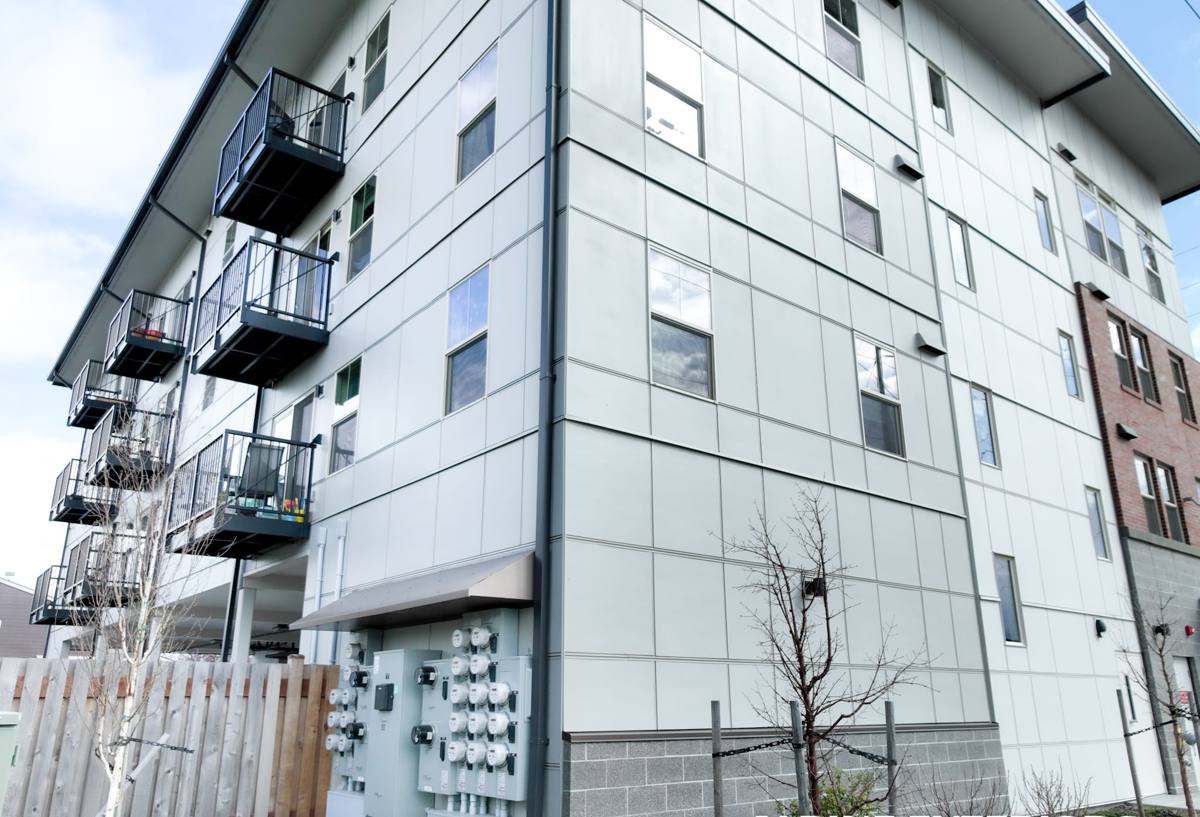
What Salt Air, Driving Rain, and Moss Season Do to Windows Over Time
Salt Air and Metal Fatigue
Airborne salt is corrosive to exposed metal hardware — hinges, cranks, locks, and unprotected aluminum components. On homes closer to the shoreline, we see hardware pitting and seizing years ahead of schedule when it wasn't specified for coastal exposure. Cheaper hardware finishes simply don't hold up here the way marine-rated finishes do.
Driving Rain and Wind-Driven Water
Storms coming across the water don't just fall straight down — they push rain sideways into window assemblies under real pressure. If the flashing, sill pan, and sealant details aren't done correctly, water finds its way behind the trim and into the wall cavity long before anyone notices a drip inside. By the time you see a stain on the interior sill, the damage has usually been building for a while.
Moss Season and Sustained Moisture
Shaded, north-facing walls and window wells in this climate stay damp for long stretches, and moss and mildew take hold anywhere water sits instead of draining. Wood trim and sills that aren't properly primed, sealed, and detailed to shed water become soft and spongy from the inside out — often while the paint on the surface still looks fine.
Signs Your Current Windows Are Losing the Battle
- Sashes that stick, drag, or won't latch fully — a sign of swelling or a frame going out of square
- Soft or spongy wood when you press on the sill or lower frame corners
- Fogging or moisture between panes of double-glazed units, meaning the seal has failed
- Visible moss, black streaking, or persistent green growth on sills and trim
- Hardware that's stiff, rusted, or seized from corrosion
- Cold drafts near the frame edges even with the window fully closed
- Peeling or bubbling paint concentrated around the window opening rather than the whole wall
What a Correct Custom Window Installation Actually Involves
"Custom" simply means the window is built and installed to fit the specific opening, structure, and exposure of your home — not pulled off a shelf and forced to fit. For Lopez Village homes, that means paying close attention to a handful of details that are easy to skip and expensive to fix later:
- Accurate measurement and opening prep — old openings on island homes are rarely perfectly square, and forcing a stock-size window into an out-of-square opening creates gaps that leak
- Sill pan flashing — a sloped, sealed pan under the window that directs any water that does get past the frame back outside instead of into the wall
- Proper flashing sequencing — flashing and house wrap layered so water always sheds outward and downward, shingle-style, never trapped behind a layer
- Marine-appropriate sealants and fasteners — products chosen to resist salt exposure and UV, not generic caulk that chalks and cracks within a couple of seasons
- Corrosion-resistant hardware — cranks, hinges, and locks rated for coastal use rather than standard interior-grade hardware
Skipping any one of these doesn't show up on day one. It shows up in year three or four, as a soft sill or a fogged pane, and by then the fix is bigger than it needed to be.
Choosing Materials for a Marine Climate
There's no single "best" window material — the right choice depends on exposure, budget, and how much upkeep you're willing to do. Here's how the common options actually perform in Lopez Village's conditions:
| Material | Salt Air Performance | Moisture Behavior | Maintenance |
|---|---|---|---|
| Vinyl | Doesn't corrode; unaffected by salt | Handles moisture well; no rot risk | Low — occasional cleaning |
| Fiberglass | Excellent; very stable in coastal exposure | Dimensionally stable in wet-dry cycling | Low |
| Wood | Attractive but vulnerable without diligent upkeep | Prone to swelling/rot if sealing lapses | High — regular repainting and sealing |
| Aluminum-clad wood | Good if cladding and seams are detailed correctly | Protects wood core if installed right | Moderate |
We're generally cautious about recommending bare wood exteriors for homes with direct salt exposure or heavy shade, not because wood is a bad material, but because it demands a maintenance schedule most homeowners don't want to keep up with for decades. Vinyl, fiberglass, and well-detailed clad products tend to be a better match for the actual conditions here, and we'll walk you through the honest trade-offs for your specific exposure rather than pushing one product line.
How Our Process Works for a Lopez Village Project
- On-site assessment — we look at exposure direction, existing water damage, and how the current windows have held up before recommending anything
- Measurement and material selection — custom sizing for your openings, with material and hardware chosen for your home's specific exposure
- Scheduling around ferry logistics — materials and crew timing planned in advance so a job doesn't stall waiting on a missed sailing
- Removal and opening prep — old units removed, framing inspected for hidden rot or damage before anything new goes in
- Flashing, sealing, and installation — sill pans, flashing sequence, and sealants installed to the standard this climate actually requires
- Final check and walkthrough — operation, sealing, and finish confirmed with you before we call it done
Why a Crew That Already Works the San Juan Islands Matters
Window installation isn't just a product question — it's a logistics and judgment question, especially on an island. A crew that regularly works San Juan County already understands ferry scheduling, has a feel for which exposures on Lopez Village lots take the hardest weather, and isn't guessing at material choices for the first time on your project. That experience shows up in fewer surprises: fewer delays waiting on parts that should have been ordered ahead of the ferry, and fewer callbacks because a detail was skipped that a mainland-only crew wouldn't have known to prioritize.
It also matters for accountability. A contractor who works this area regularly has a reputation to maintain here and isn't disappearing back across the water the moment the invoice is paid.
Maintenance Checklist to Protect Your Investment
- Rinse salt residue off frames and glass a few times a year, especially on water-facing sides
- Clear moss and debris from sills and tracks before it holds moisture against the frame
- Check and re-apply exterior caulking at trim joints every year or two, or sooner if cracking appears
- Lubricate cranks, hinges, and locks periodically to keep hardware from seizing
- Inspect interior sills after big storms for any sign of water intrusion
- Repaint or reseal any exposed wood trim on a schedule, not just when it looks bad
What Affects the Cost of a Window Project Here
Pricing depends on the number of openings, size and style, material choice, and how much of the existing framing needs repair once we open things up. As a rough guide, straightforward vinyl replacements tend to sit at the lower end of the range, while larger custom sizes, fiberglass, or clad-wood units with more complex flashing work run higher. Any hidden rot found during removal — which is more common on island homes with a history of moisture exposure — will affect the final number, and we'll always show you that before proceeding rather than after the fact.
If your windows on Lopez Village are showing their age, or you're planning ahead of the next wet season, we're glad to take a look and talk through what your home actually needs — no pressure, no obligation. Fill out the form below for a free estimate.