 Orcas Island Siding
 Building New on West Beach? The Windows Deserve as Much Planning as the Foundation
If you're framing a new home on West Beach, you already know the site comes with a longer list of demands than an inland lot in the county. The west-facing exposure that makes the views worth building for is the same exposure that pushes salt-laden wind and driving rain straight at your walls for a good chunk of the year. Windows are one of the few components in a new build that have to solve two jobs at once: keep that weather out for the next several decades, and do it without fighting the rest of the building envelope. Getting the window package right during framing and rough-in is far cheaper than correcting it after the siding and trim are on.
We install new-construction windows for homes on Orcas Island, and West Beach in particular gets a specific set of considerations from us before a single unit gets ordered.
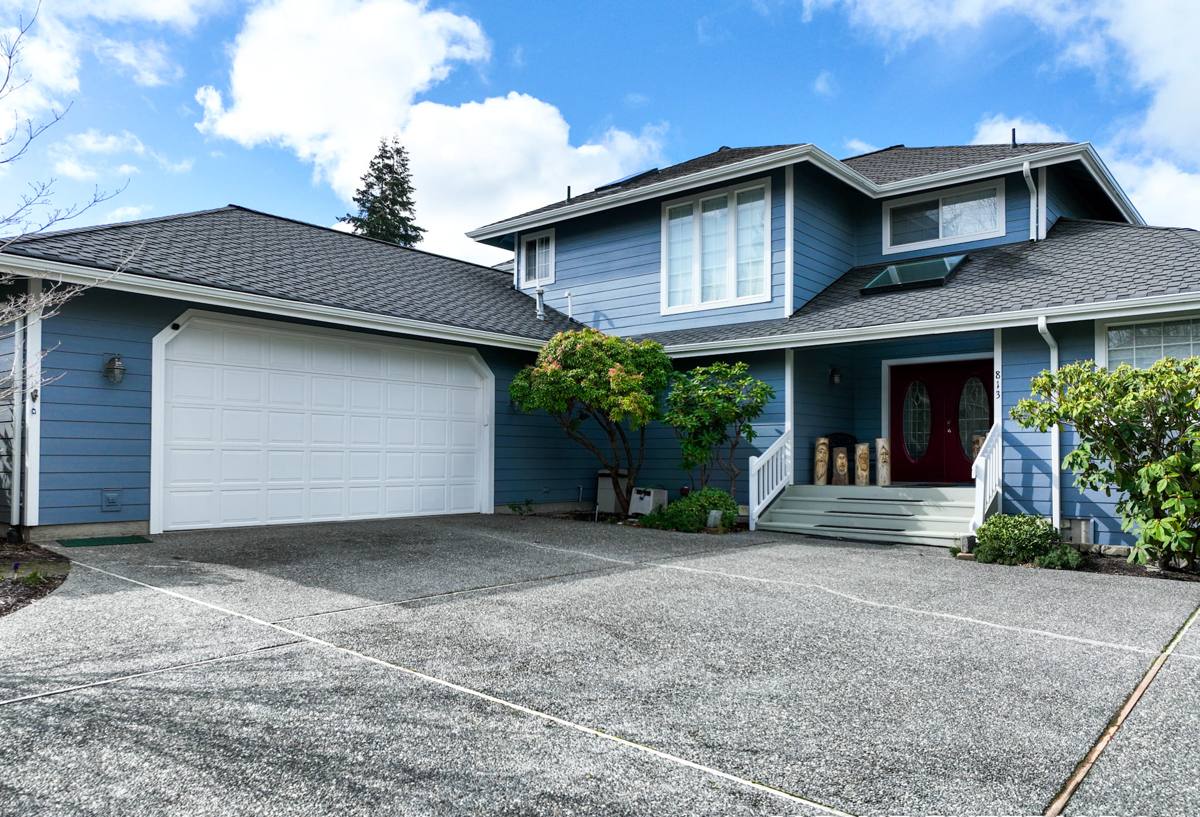
What West Beach's Exposure Actually Does to a Window Assembly
West Beach sits open to weather coming across the water, which means three things show up more here than in a sheltered building site elsewhere in San Juan County:
- Salt air corrosion — hardware, screens, and exposed fasteners on the weather side age faster near open water. Frame and hardware material choice matters more here than on a protected lot.
- Wind-driven rain — this isn't rain falling straight down. It's rain being pushed sideways and upward into joints, sills, and any gap in the flashing. A window that would perform fine in calm rain can leak here if the flashing detail is even slightly off.
- Long moss season — the extended wet, low-sun stretch of the year keeps surfaces damp longer, which is hard on anything with a wood component that isn't fully clad or sealed, and it means algae and moss can take hold on horizontal trim and sills if drainage isn't built in from the start.
None of this means a new home on West Beach needs exotic materials. It means the window and the installation detail around it need to be chosen for this specific exposure rather than a standard spec sheet.
Choosing the Right Window for This Site
There isn't one "correct" frame material for coastal Orcas Island construction — there's a correct choice for your budget, your exposure, and your maintenance appetite. Here's how the common options stack up for a West Beach build specifically:
| Frame Material | Salt Air / Wind Exposure | Maintenance | Typical Trade-off |
|---|---|---|---|
| Vinyl | Good — won't corrode, but check hardware quality | Low | Fewer color/profile options at the high-performance end |
| Fiberglass | Very good — dimensionally stable in temperature swings, resists corrosion | Low | Higher upfront cost than vinyl |
| Aluminum-clad wood | Good on the exterior face; wood interior needs the cladding to stay intact | Moderate | Best interior aesthetics, but cladding seams and end cuts need careful detailing on the weather side |
| Bare aluminum | Weak — conducts cold, and coastal salt exposure accelerates pitting on lower-grade finishes | Higher | Generally not what we recommend for this exposure |
For most new builds on West Beach, we steer clients toward fiberglass or a quality vinyl unit with marine-grade or stainless hardware on the weather-facing elevations, and we're open to aluminum-clad wood where the owner wants a specific interior look, provided the cladding and flashing details are done right. We don't push one brand — we spec the unit to the elevation and the budget, and we'll walk you through actual product literature and warranty terms rather than sales talk.
Glass Package Matters as Much as the Frame
On an exposed site, the glass package (Low-E coating, gas fill, spacer type) affects both comfort and condensation resistance. A window that's technically rated fine for the Pacific Northwest can still fog or bead moisture on the interior in a house that runs a woodstove or has poor ventilation — so we look at the whole house, not just the window spec sheet, when recommending glass.
Getting the Installation Right During Rough Framing
New-construction installation is fundamentally different from a retrofit — the window goes in before siding, and the flashing integrates directly with the weather-resistive barrier (house wrap or equivalent). On a wind-driven-rain site, that sequencing has to be followed in order, every time:
- Rough opening checked for square, level, and correct size before the window ever arrives on site.
- Sill pan flashing installed first, sloped to shed water back out of the opening rather than pooling at the sill.
- Window set, shimmed, and fastened per the manufacturer's new-construction schedule — not just "however many screws fit."
- Side and head flashing lapped correctly with the weather-resistive barrier, shingle-style, so water moving down the wall never gets diverted behind the flashing.
- Sealant used only where it belongs in the assembly — sealant is a backup to good flashing, not a substitute for it.
On an exposed elevation, we typically add extra attention at the corners and mulled units (two or more windows joined together), since those joints are where wind-driven rain finds a way in if the install crew is rushing to keep pace with framing.
Performance Numbers Worth Getting Right
Washington's energy code sets minimum performance targets for new construction, but "minimum" and "right for West Beach" aren't always the same number. A few specs worth actually discussing with your contractor before you order:
- U-factor — lower is better for heat retention; matters more on north and west elevations that don't get much direct sun gain.
- Solar Heat Gain Coefficient (SHGC) — on a west-facing site with open water views, glare and afternoon heat gain can be a real comfort issue even in a cool climate; this is worth balancing against view glass size.
- Air infiltration rating — directly relevant on a wind-exposed lot; a unit with a poor air-infiltration rating will perform worse here than it would on a sheltered inland site.
- Egress requirements — bedroom windows need to meet code minimum opening size and sill height; this gets checked at rough-in, not after drywall.
Our New-Construction Process, Start to Finish
For a West Beach build, here's what our involvement typically looks like:
- Review of your plans and elevations before windows are ordered, with a look at exposure on each face of the house.
- Window schedule recommendations (sizes, egress, glass package) coordinated with your builder or GC.
- Rough opening verification before delivery — catching framing issues before they become install-day problems.
- Flashing and installation done to manufacturer specification, with extra detail at corners, mulls, and any low-slope trim nearby.
- Final inspection walk-through with photos of flashing details before siding closes the wall up — once siding goes on, that flashing is hidden for the life of the house.
That last point matters more than people expect. Once the siding crew closes the wall, nobody can verify the flashing was done correctly without tearing it back open. We document it while it's still visible.
Timing the Install With Your Build Schedule and Island Logistics
Building on Orcas Island adds a layer most mainland builders don't deal with: everything — lumber, windows, trim, the crew's own tools — comes over on the ferry or by barge. Lead times for custom-sized or special-order units need to be planned around ferry schedules and manufacturer production queues, not just a generic shipping estimate. We build that into the schedule up front so your framing crew isn't standing around waiting on windows, and so your windows aren't sitting exposed on site through a stretch of driving rain before they're set.
Weather timing matters too. We aim to set windows during a reasonable weather window and get the wall dried in before the next system rolls through — on an exposed West Beach lot, an open rough opening during a wind-driven rain event can soak framing that then has to dry out before work continues.
Why a Crew That Already Works West Beach Is Worth Choosing
A window installer who's only worked sheltered, inland lots will spec and flash a window the same way regardless of exposure — and on West Beach, that shows up as leaks and premature hardware corrosion within a few years, not decades. A crew that's already worked this stretch of Orcas Island knows which elevations take the worst of the weather, adjusts flashing and hardware choices accordingly, and isn't learning the site's quirks on your project. That familiarity with San Juan County's permitting expectations and the practical realities of getting materials and crews out to the island also keeps your build schedule realistic instead of optimistic.
If you're planning a new build on West Beach and want the window package handled by a crew that already understands this exposure, we're happy to walk your plans with you. Reach out for a free, no-pressure estimate — there's a form right below to get started.