 Orcas Island Siding
 Obstruction Pass sits on the wooded, water-adjacent southeast end of Orcas Island, and homes out here take a different kind of beating than a house tucked inland. Between the salt-laden air coming off the water, wind-driven rain that doesn't fall straight down, and a moss season that can run most of the year under fir and madrona canopy, the siding on an Obstruction Pass home is working harder than most product warranties assume. We install James Hardie fiber cement siding exclusively, and this page is about what that means specifically for a home in this part of the island — not fiber cement in general, but what a correct job looks like on this coastline.
What This Stretch of the Island Actually Does to Siding
The Salish Sea drives the climate story here. Salt-laden marine air moves through constantly, and it accelerates corrosion on fasteners, flashing, and any exposed metal trim faster than it would a few miles inland. Storms off the water don't simply fall on a roof and run off — they push rain sideways into south- and west-facing walls, forcing water into butt joints, corner trim, and any cut edge where a finish is supposed to be sealing things off. Add in the tree cover that much of Obstruction Pass sits under, and you get walls that stay damp long after a storm has passed, which is exactly the condition moss and mildew need to take hold and spread across a shaded, north-facing elevation.
None of that is unusual for San Juan County, but it's worth naming plainly because it changes what "good siding" actually means out here. A product that performs fine in a drier, sunnier climate can struggle on a shaded, salt-exposed lot near the water. The material and the installation both have to account for sustained moisture exposure, not just occasional rain.
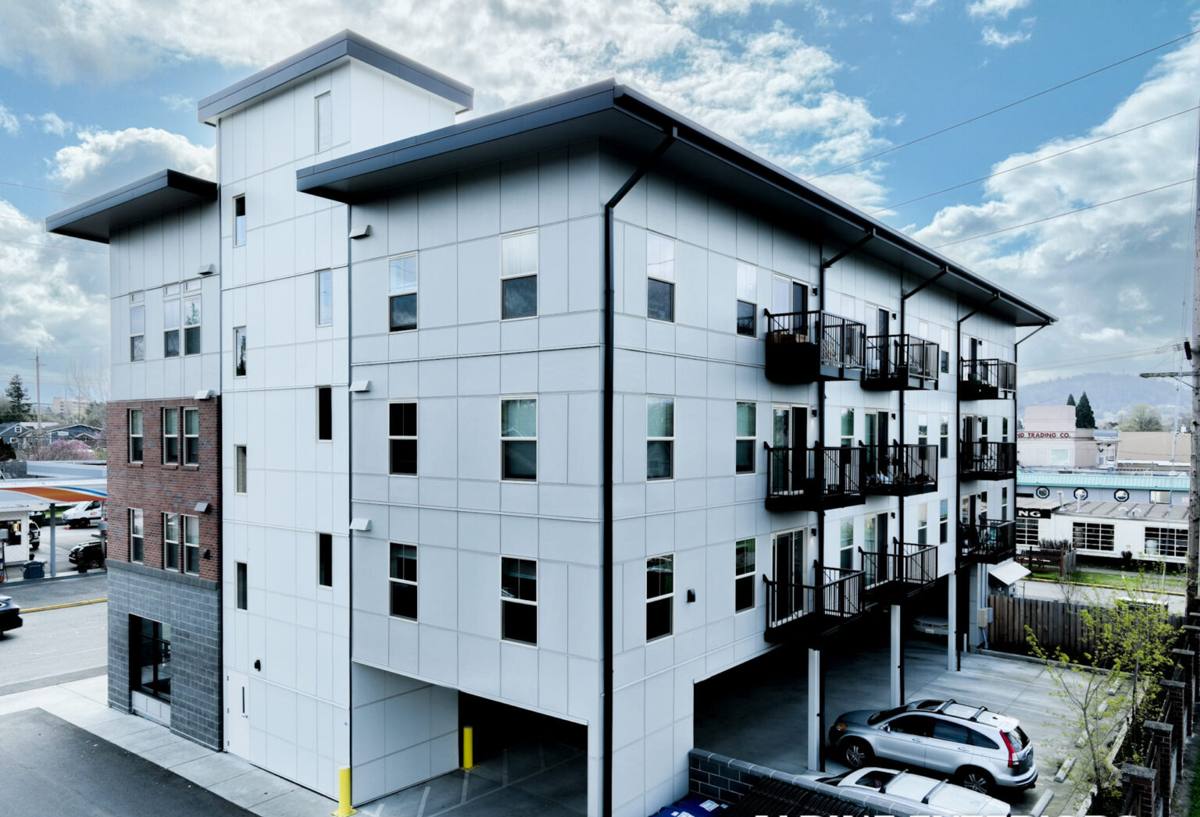
Why Fiber Cement Is the Right Material for This Location
Fiber cement is made from cement, sand, and cellulose fiber — there's no organic core for salt air, standing moisture, or moss to work into over time the way there is with wood-based products. That matters directly in a spot like Obstruction Pass, where shaded, damp walls are the norm rather than the exception on parts of most lots. It also doesn't swell, cup, or delaminate the way wood and some engineered-wood products can when moisture gets past the surface finish.
Fiber cement is also non-combustible, which is worth mentioning on a heavily wooded island where summer wildfire risk is a real, if seasonal, concern. And it holds up structurally to the kind of wind-driven rain events this side of the island sees — it's rigid enough to keep its shape and joint lines tight where a softer material might telegraph movement or gapping over the years.
Why We Install Only James Hardie
We don't install every brand of fiber cement — we install James Hardie, and that's a deliberate choice rather than a default. Hardie builds HZ product lines specifically engineered for regional climate exposure rather than one generic formulation sold everywhere, which matters in a marine environment like this one. The ColorPlus finish is baked on at the factory under controlled conditions, rather than field-applied, which gives it real resistance to fading and cracking in a climate that's hard on any painted surface. Hardie also backs its products with a strong, transferable warranty — something that matters to Obstruction Pass homeowners thinking about resale down the road, since a documented Hardie installation is a straightforward conversation with a buyer or inspector.
Consistency matters too. Standardizing on one manufacturer means our crews know the fastening spec, the clearance requirements, and the joint details cold, rather than switching practices from job to job depending on which product showed up on the truck. On a coastline this demanding, that consistency is part of what makes the installation hold up.
What a Correct Installation Actually Involves
Fiber cement's reputation for durability depends entirely on installation details that are easy to get wrong and hard to spot once the siding is up and painted. This is the part that separates a job that lasts thirty years from one that develops problems in five.
Clearance and Grade
Hardie specifies minimum clearance between the bottom edge of the siding and grade, decks, patios, and roof lines. Skip that clearance and you create a spot where splash-back and standing moisture sit against the board far more than the product was designed to tolerate — one of the most common causes of early failure on any siding, not just fiber cement.
Flashing and the Weather Barrier
Every window, door, and roof-to-wall intersection needs correct flashing integrated with a continuous weather-resistive barrier behind the siding. On a wall taking direct, wind-driven rain off the water, a missed or poorly lapped flashing detail is exactly where water finds its way behind the cladding — and it's invisible until there's already damage on the other side of the wall.
Fastening and Joint Treatment
Fasteners need to be corrosion-resistant and placed to Hardie's spacing specification, not just "close enough." Butt joints and panel seams need to be treated per manufacturer detail — caulked and backed correctly, or engineered as a rain-screen detail — so they don't become the first point of water intrusion during the next southwesterly storm.
Cutting and Finish Preservation
Field cuts need to be made with the right blade and dust-control approach, and cut edges need to be sealed to protect the factory finish at the exposed edge. Sloppy cutting practice is a small thing that shows up later as a discolored or vulnerable edge on an otherwise well-installed wall.
Siding Options at a Glance
| Siding Type | How It Handles Salt Air & Sustained Moisture | Maintenance Needed Here | Realistic Lifespan on This Coastline |
|---|---|---|---|
| Vinyl | Can warp or become brittle with UV and temperature cycling; seams can loosen over time | Low, but limited repair options once damaged or faded | Moderate, shorter in direct wind exposure |
| Cedar | Organic core needs a sound, well-maintained finish to resist moss and moisture | Recoating every 2-4 years, annual caulk and joint checks | Long, but only with consistent upkeep |
| Engineered wood (LP-type) | Wood-strand core is sensitive to sustained moisture at edges and joints | Regular inspection at cuts, joints, and grade clearance | Moderate, installation-detail dependent |
| James Hardie fiber cement | Non-organic core, does not swell, rot, or feed moss the way wood substrates do | Occasional wash-down; far less recoating than wood products | Long, with a strong transferable warranty behind it |
Cost and appearance both factor into a siding decision, and we'll talk through both honestly during an estimate. But on this specific stretch of shoreline, the ongoing moisture exposure is the variable that tends to decide which product actually holds up without turning into a recurring maintenance project.
Our Process for Obstruction Pass Projects
Working this part of the island comes with logistics that a mainland job doesn't have. We plan material delivery and staging around ferry schedules so a project doesn't stall waiting on a board order, and we build installation timelines around realistic weather windows rather than assuming every week is a good week to have a wall open. Many properties out here sit on wooded lots with narrower access than a typical suburban street, so site access and material staging get worked out during the initial visit, not discovered on install day.
We also pay attention to what's around the house — mature trees, septic and well components, gardens, and shoreline-adjacent landscaping are common on lots in this area, and we plan our crew's footprint and material staging to avoid unnecessary disruption to any of it. A walk-through before work starts covers all of this, along with a specific look at which elevations are taking the worst of the salt exposure and driving rain so the crew knows where extra care on flashing and joint details matters most.
Living With Fiber Cement Siding Here
Correctly installed Hardie siding is genuinely low-maintenance compared to wood-based alternatives, but "low" isn't "none," especially in a moss-prone, salt-air environment. A few habits keep it performing the way it's supposed to for the long run:
- Rinse the siding down periodically, especially on shaded, north-facing walls where moss and mildew are most likely to establish
- Walk the exterior after major storms and check caulked joints and trim intersections for any new gaps or cracking
- Keep gutters and downspouts clear so roof runoff isn't dumping extra water onto specific wall sections
- Trim back tree limbs and brush that keep a wall section shaded and damp longer than the rest of the house
- Note any impact damage or chipped finish early and have it addressed before moisture works into the cut edge
None of this is a heavy lift, and it's considerably less than the recoating and joint-maintenance schedule a wood-based product would ask of the same house in the same location.
Why Local Experience on This Part of the Island Matters
A crew that hasn't worked Obstruction Pass before is guessing at things a local crew already knows — which elevations take the worst weather, how to stage a job around ferry timing, how to work respectfully around a wooded or shoreline-adjacent lot, and what San Juan County's permitting process actually requires for exterior work. Those aren't small details. They're the difference between a project that goes smoothly and one that runs into avoidable delays or an installation detail that doesn't hold up to what this specific coastline throws at it.
We work this part of Orcas Island regularly, and we bring the same standard to every job: James Hardie fiber cement, installed to spec, with the flashing, clearance, and fastening details that actually matter in a marine climate like this one — not a generic installation approach carried over from a drier, calmer part of the mainland.
If you're weighing siding options for a home in Obstruction Pass, we're glad to take a look at your property, walk the exposed elevations with you, and give you a straight answer about what your house needs. Reach out for a free, no-pressure estimate.