 Orcas Island Siding
 Building Decks for Olga's Coastal Conditions
Olga sits along the east side of Orcas Island, close enough to the water that salt air is a daily fact of life, not an occasional nuisance. Add San Juan County's long wet season, heavy tree cover on many lots, and the moss and algae growth that comes with shade and moisture, and you have a set of conditions that punishes a deck built to generic mainland standards. A deck that would last two decades in a dry inland climate can start showing fastener corrosion, soft framing, or slick, moss-covered boards in a fraction of that time out here if it wasn't built for this specific environment.
We build and repair custom decks for homes throughout the Olga area and the rest of Orcas Island, and the approach we use here is different in specific, practical ways from how a deck gets built somewhere with a drier, milder climate. This page walks through what actually matters for a deck in this location: the materials that hold up, the framing details that keep water from causing hidden damage, and what our process looks like from first visit to finished project.
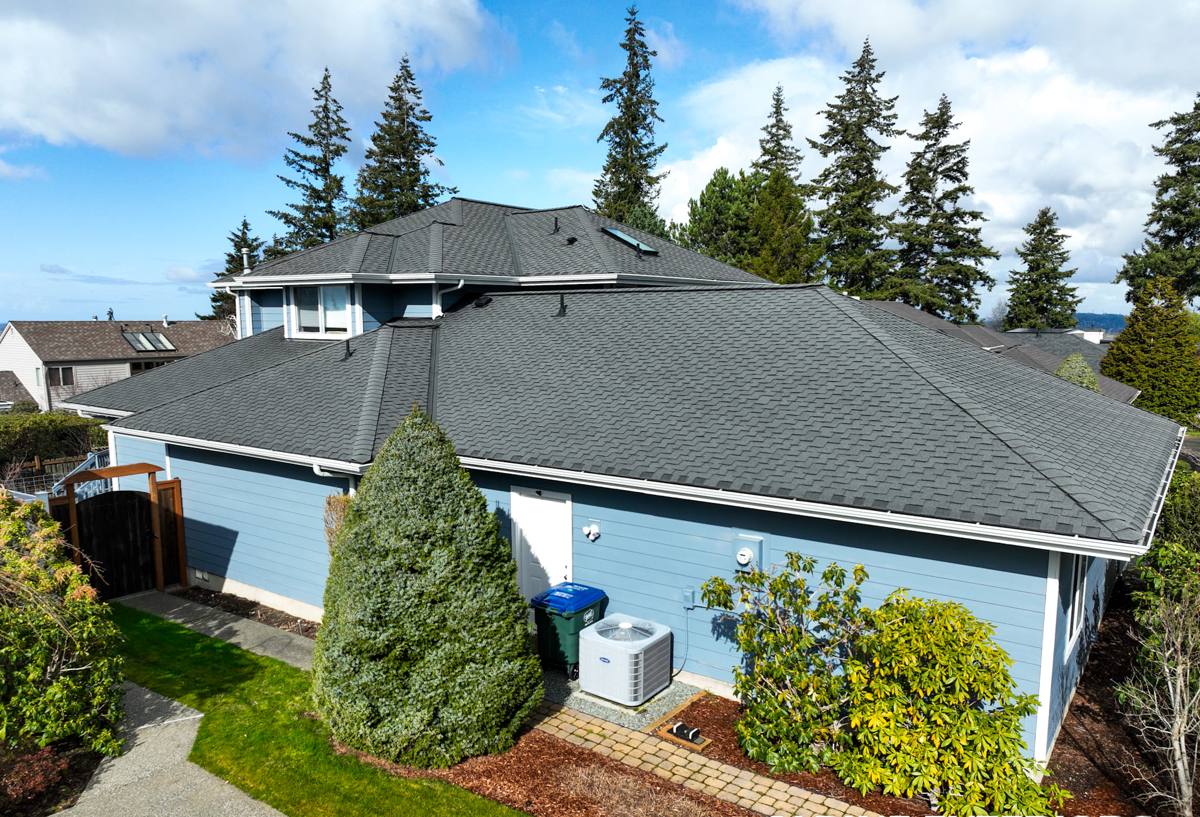
What the Local Climate Actually Does to a Deck
Salt Air and Metal Fatigue
Airborne salt accelerates corrosion on anything metal — fasteners, joist hangers, post bases, and railing hardware. Standard galvanized coatings that are perfectly fine inland can start breaking down faster near the water, leading to rust streaks, weakened connections, and in bad cases, structural fasteners that fail quietly under the decking where you can't see them.
Driving Rain and Water Management
Orcas Island gets sustained, wind-driven rain, and a deck's biggest enemy is rarely the rain itself — it's where that water goes after it lands. Ledger boards attached to the house, end grain on framing lumber, and any spot where two pieces of wood meet and trap moisture are where rot starts. A deck built without proper flashing and drainage detailing will fail from the inside out long before the surface boards show obvious wear.
Moss, Algae, and Shade
Many Olga-area lots have significant tree cover, which is part of what makes this location appealing, but it also means extended shade and slower drying times after rain. Combined with the region's long wet season, that's ideal conditions for moss and algae to establish on horizontal surfaces — and a mossy deck isn't just an appearance issue, it's a slip hazard and a sign that moisture is sitting on the surface longer than it should.
Choosing the Right Decking Material
There's no single "best" decking material for every project — it depends on your budget, how much maintenance you're willing to do, and how much shade and salt exposure your specific site gets. Here's how the common options actually perform in this climate:
| Material | Moisture & Moss Resistance | Maintenance | Notes for This Climate |
|---|---|---|---|
| Cedar | Naturally rot-resistant but still absorbs moisture | Needs periodic cleaning and re-sealing | Classic look; performs well if drainage and airflow underneath are good |
| Pressure-Treated Fir/Pine | Chemically treated, but end cuts and fasteners are vulnerable points | Regular sealing recommended | Budget-friendly for framing; less ideal as a visible surface board in heavy shade |
| Composite Decking | Does not rot, but can still grow moss/algae on the surface film | Occasional washing; no staining or sealing | Strong choice for low-maintenance, shaded, high-moisture lots |
| Tropical Hardwoods (e.g., ipe) | Very dense, naturally moisture and rot resistant | Low, but periodic oiling keeps color | Excellent longevity; higher upfront cost and requires correct fastening hardware |
Whatever surface material you choose, the framing underneath and the hardware holding it together matter just as much for how long the deck lasts.
Framing and Hardware: Where Decks Actually Fail
Most deck failures we see aren't about the decking boards — they're about what's underneath. A correct build in a salt-air, high-rainfall environment includes:
- Stainless steel or marine-grade coated fasteners and connectors, not standard galvanized, at any location with direct salt air exposure
- Proper ledger board flashing where the deck attaches to the house, with a drainage gap to keep water from wicking into the band board
- Joist tape or flashing on top of framing members to stop standing water from soaking into end grain and top surfaces
- Footings sized and set to local frost and soil conditions, which can vary noticeably across Orcas Island's mixed terrain
- Adequate under-deck ventilation and clearance from grade so moisture and moss don't build up in the dark, damp space beneath the boards
Skipping any one of these is usually invisible at first. The deck looks finished and solid. The problems show up two, five, or ten years later, when a soft spot appears near the ledger or a railing post starts to wobble because the hardware beneath it corroded out of sight.
Design Considerations for Olga Homes
Lots in this area tend to have some combination of sloped terrain, tree cover, and views worth building toward — sometimes water views, sometimes just a private, wooded outlook. That shapes deck design in a few consistent ways:
Elevated and multi-level decks are common where the ground drops away from the house, which means more structural framing and more footings to plan and permit correctly. Railings need to hold up to the same salt air and moisture as everything else, so we pay attention to railing hardware and post connections the same way we do for the deck frame itself. Shaded, tree-covered sites benefit from decking choices and spacing that promote airflow and drying, since these lots will always be slower to dry out after rain than an open, sunny site would be.
Our Process for a Custom Deck Project
1. On-Site Assessment
We walk the site, look at grade, drainage, sun/shade exposure, and how the deck will tie into the house. For replacement projects, we also check the condition of existing framing and ledger attachment before quoting anything.
2. Design and Material Selection
We talk through decking material, railing style, and layout based on your budget and how much maintenance you want to take on long-term, then put together a clear scope before any work starts.
3. Permitting
Deck projects on Orcas Island typically go through San Juan County permitting depending on size, height, and attachment to the structure. We handle that process as part of the job so you're not left figuring out county requirements on your own.
4. Construction
Framing, flashing, and hardware go in first, built to hold up to the specific salt-air and rainfall conditions of this location — not a generic spec. Decking, railing, and finish work follow once the structure is sound.
5. Final Walkthrough
We go over the finished deck with you, including what maintenance it needs and on what schedule, so there are no surprises in year two or year five.
Keeping a New Deck in Good Shape
Even a correctly built deck needs some ongoing attention in this climate. A basic seasonal checklist:
- Sweep debris and standing leaves off the surface regularly, especially under tree cover where they pile up and trap moisture
- Wash the deck surface periodically to slow moss and algae buildup before it gets established
- Check railing posts and stair connections yearly for any looseness, which can signal hardware corrosion underneath
- Re-seal or re-stain wood decking on the schedule appropriate to that species, don't wait until it's visibly gray and dry
- Keep gutters and downspouts near the deck clear so roof runoff isn't dumping extra water onto or under the structure
Why a Crew That Already Works in Olga Makes a Difference
Deck construction in a coastal, high-rainfall, moss-prone environment isn't the same trade as deck building somewhere dry and inland, even though the tools look the same. A crew that already works throughout Orcas Island and San Juan County knows which fastener grades actually hold up here, how local terrain affects footing and framing decisions, and what the county permitting process requires before a shovel goes in the ground. That local experience shows up in the details you can't see once the deck is finished — the flashing behind the ledger, the hardware inside the railing posts, the drainage under the frame — which are exactly the details that determine whether a deck lasts fifteen years or thirty.
If you're planning a new deck or need to replace one that's showing its age in Olga, we're happy to take a look and talk through honest options for your site and budget. Reach out for a free, no-pressure estimate using the form below.