 Orcas Island Siding
 Why Siding on Orcas Island Has to Work Harder
Homes on Orcas Island sit in a genuinely demanding exterior environment. Salt-laden air off the surrounding waters, long stretches of wind-driven rain through fall and winter, and a moss season that can run most of the year all put steady pressure on whatever material is covering your walls. Add the marine humidity typical of San Juan County and the deep shade many Orcas properties get from mature evergreen cover, and you have conditions that punish siding that wasn't built, and installed, for them. This page covers what fiber cement siding needs to do on an Orcas Island home, what a correct installation actually involves, and why we install James Hardie products exclusively for homeowners on the island.
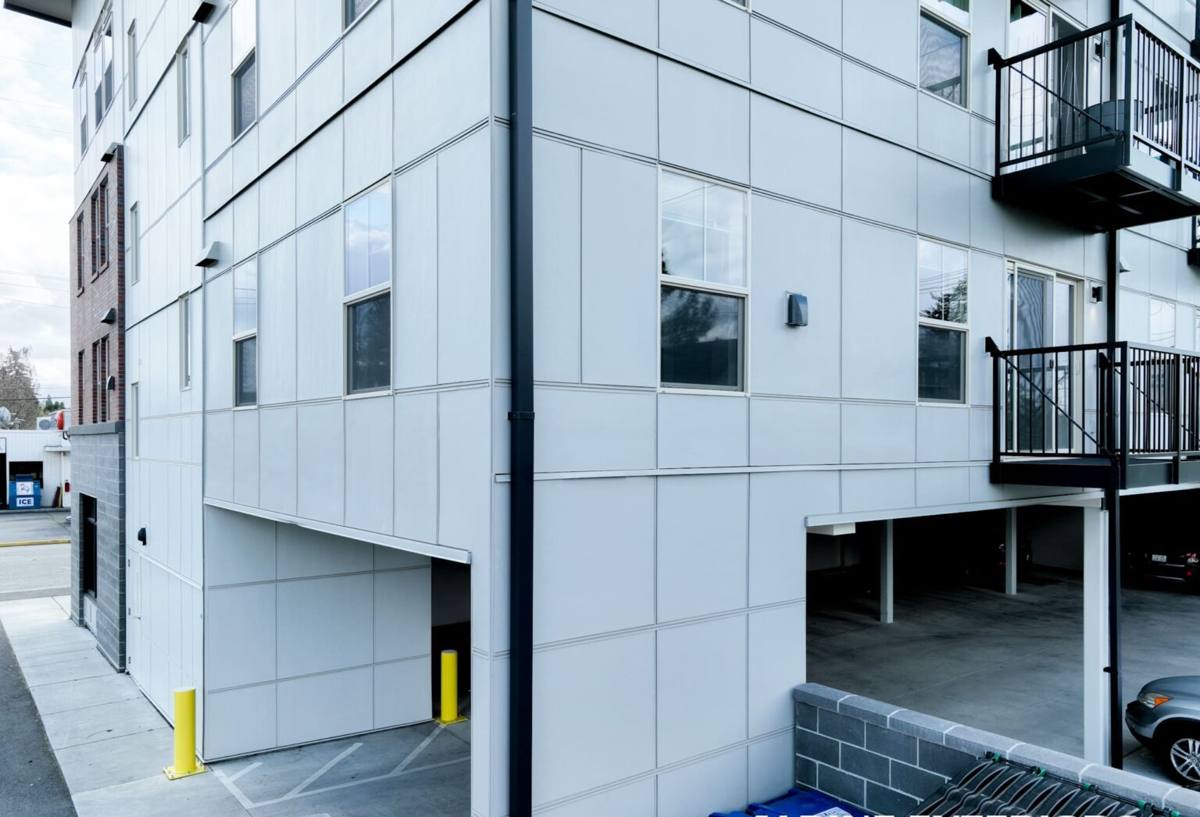
What Salt Air, Rain, and Moss Actually Do to Siding
Each of these factors wears on a home's exterior in a different way, and on Orcas they tend to show up together rather than one at a time.
Salt air is corrosive to exposed metal. Fasteners, flashing, and trim that aren't rated for a marine environment can start showing rust and pitting well before an inland home would see the same wear. It also breaks down some coatings faster than they'd fail in a dry climate, which is part of why the factory finish on a siding product matters more here than it would somewhere drier.
Driving rain is not the same problem as ordinary rainfall. When wind pushes water sideways into laps, seams, and anything that penetrates the wall, it exposes weak points in flashing and sealant that a straight-down rain would never find. A siding system that only sheds water well in calm conditions is not enough on a site exposed to weather coming off the water.
Moss and algae thrive in the cool, shaded, consistently damp conditions found on much of the island. Left alone, organic growth holds moisture against the wall surface for extended periods, which is hard on any material that can absorb water, swell, or support rot underneath a compromised finish.
Why North-Facing and Tree-Shaded Walls See It Worst
Walls that stay in shade for most of the day dry out far more slowly after rain. On a heavily treed Orcas lot, that can mean certain elevations are effectively damp for weeks at a stretch during the wetter months, which is exactly the condition moss and mildew need to establish themselves and keep growing.
Why We Install Only James Hardie Fiber Cement
We standardized on James Hardie fiber cement and don't install vinyl, LP SmartSide, cedar, or primed spruce on Orcas homes. That's not a marketing position — it's a decision based on how those products actually perform under sustained salt air, moisture, and shade. Wood and wood-composite products depend on maintained paint and caulk to keep water out; once that seal starts failing in a damp climate, the material underneath is vulnerable. Vinyl can perform reasonably well against moisture itself, but it has its own trade-offs in appearance, impact resistance, and how it ages in a marine climate. Fiber cement, installed correctly, gives us a material that's non-combustible, dimensionally stable, and engineered specifically for the moisture conditions this region produces.
The HZ5 Formulation: Built for This Climate
James Hardie manufactures its siding in different formulations for different climate zones, and Western Washington falls into the HZ5 category — engineered for regions that see sustained moisture and cooler, wetter winters, as opposed to the HZ10 formulation built for hot, humid climates. That distinction matters: it's the difference between a product generically rated for "outdoor use" and one specifically engineered for the freeze-thaw and moisture cycling that Orcas Island homes actually experience.
Just as important is the factory-applied ColorPlus finish. Because it's baked on under controlled conditions rather than brushed or sprayed on site, it holds color and resists fading, chalking, and moisture intrusion at the surface better than field-applied paint typically does — which matters on a property that rarely gets a long dry stretch to fully cure a fresh coat.
What Correct Installation Involves on Orcas Island
Fiber cement siding is only as good as the installation behind it. On a marine site, a few details separate a system that will hold up for decades from one that traps moisture and fails early.
A Working Drainage Gap
Siding needs a rain screen or drainage gap behind it so any water that gets past the surface has somewhere to go, and air can circulate to dry the wall assembly. Installing fiber cement directly against the sheathing with no gap is one of the most common shortcuts that leads to trapped moisture later.
Flashing and Sealant Detailing
Every window, door, penetration, and butt joint needs proper flashing and the correct sealant, installed in the right order, so wind-driven rain can't work its way behind the siding. This is detail work, not a place to save time.
Fastener Choice and Placement
Corrosion-resistant fasteners, placed and set according to manufacturer specification, matter more in salt air than almost anywhere else. Over-driven or under-driven nails, or the wrong fastener type, are a common cause of early failure on coastal installs.
Manufacturer Clearances
Hardie specifies minimum clearances from grade, roofing, decks, and other surfaces for a reason — those gaps keep the bottom edge of the siding from sitting in standing water or splashback, which is exactly where damage tends to start first.
- Continuous drainage plane installed behind the siding, not tight to the sheathing
- Flashing integrated at every window, door, and horizontal transition
- Corrosion-resistant fasteners set to manufacturer depth specifications
- Proper clearance maintained from grade, roofing, and decking
- Factory-cut edges sealed or back-primed where field cuts expose raw material
- Caulk joints sized and placed according to manufacturer detailing, not filled in as an afterthought
Our Process, Start to Finish
- On-site assessment. We look at your home's current siding, existing moisture or rot damage, sun and shade exposure on each wall, and any trouble spots that need extra attention.
- Material planning and ordering. Because Orcas is accessed by ferry, we plan material delivery and staging around that logistics reality so your project isn't held up waiting on a load that missed a sailing.
- Removal and prep. Old siding comes off, the sheathing and framing are inspected for hidden damage, and any repairs are addressed before anything new goes up.
- Installation. Drainage plane, flashing, siding, and trim go on to manufacturer specification, with the fastening and clearance details that matter most in this climate.
- Final walkthrough. We go over the finished work with you, confirm everything meets spec, and make sure you know what basic upkeep looks like going forward.
Cost Factors for Fiber Cement Siding on Orcas Island
Every home is different, but the same handful of factors tend to drive the cost of a fiber cement project on the island up or down.
| Factor | Why It Affects the Project |
|---|---|
| Total wall area and home complexity | More square footage, corners, and roof lines mean more material and labor time |
| Condition of the existing siding and sheathing | Hidden moisture damage found during removal has to be repaired before new siding goes on |
| Siding profile selected | Lap width, panel style, and trim detailing affect both material cost and installation time |
| Shaded, moss-affected walls | Elevations with heavier moss or past moisture exposure may need additional prep or drainage detailing |
| Material logistics to the island | Delivery scheduling around ferry service is factored into project timing and planning |
Caring for Hardie Siding in a Marine, Moss-Prone Climate
Fiber cement is low-maintenance compared to wood, but "low-maintenance" isn't "no-maintenance" in this climate. A little regular attention goes a long way toward getting the full lifespan out of the material.
- Rinse the siding down at least once a year to clear salt residue, pollen, and organic buildup before it can take hold
- Keep gutters and downspouts clear so water isn't overflowing onto or behind the siding
- Trim back trees and shrubs that keep a wall shaded and damp longer than it needs to be
- Check caulking around windows, doors, and trim annually and have any cracked or failing joints resealed
- Address moss or algae growth early with a gentle wash rather than letting it build up, and avoid pressure washing directly into the laps
- Watch for any signs of impact damage or chipped finish and have it touched up before moisture can get behind it
Why Hiring a Crew That Already Works Orcas Island Matters
Working on an island changes how a siding project has to be planned. Material orders have to account for ferry schedules, not just delivery trucks. Weather windows for tear-off and installation are tighter when you're also working around water crossings. And a crew that's already familiar with how salt air, shade, and moss behave on Orcas homes knows which details to pay extra attention to before problems start, rather than learning it on your project. That local familiarity also matters after the job is done — if a warranty question or a follow-up visit ever comes up, you're not waiting on a contractor for whom the trip out here is a rare exception.
If you're weighing a siding project on Orcas Island, we're happy to take a look at your home and walk you through what correct fiber cement installation would involve for your specific walls and exposure. There's no pressure and no obligation — just fill out the form below to get started.