 Orcas Island Siding
 Why Metal Roofing Makes Sense on Orcas Island
Orcas Island homes deal with a specific mix of weather that a lot of roofing products just aren't built for: salt-laden air off the surrounding water, long stretches of driving rain in the fall and winter, and a moss season that seems to start earlier and last longer every year. A roof out here isn't just shedding water — it's fighting corrosion, biological growth, and wind-driven moisture at the same time. Metal roofing holds up well against all three when it's specified and installed correctly, which is why we see more homeowners on the island asking about it every year.
That said, "metal roofing" covers a wide range of products and installation quality, and not every metal roof performs the same way in San Juan County conditions. This page covers what actually matters for a metal roof on Orcas, not generic marketing points you'd read on a national roofing site.
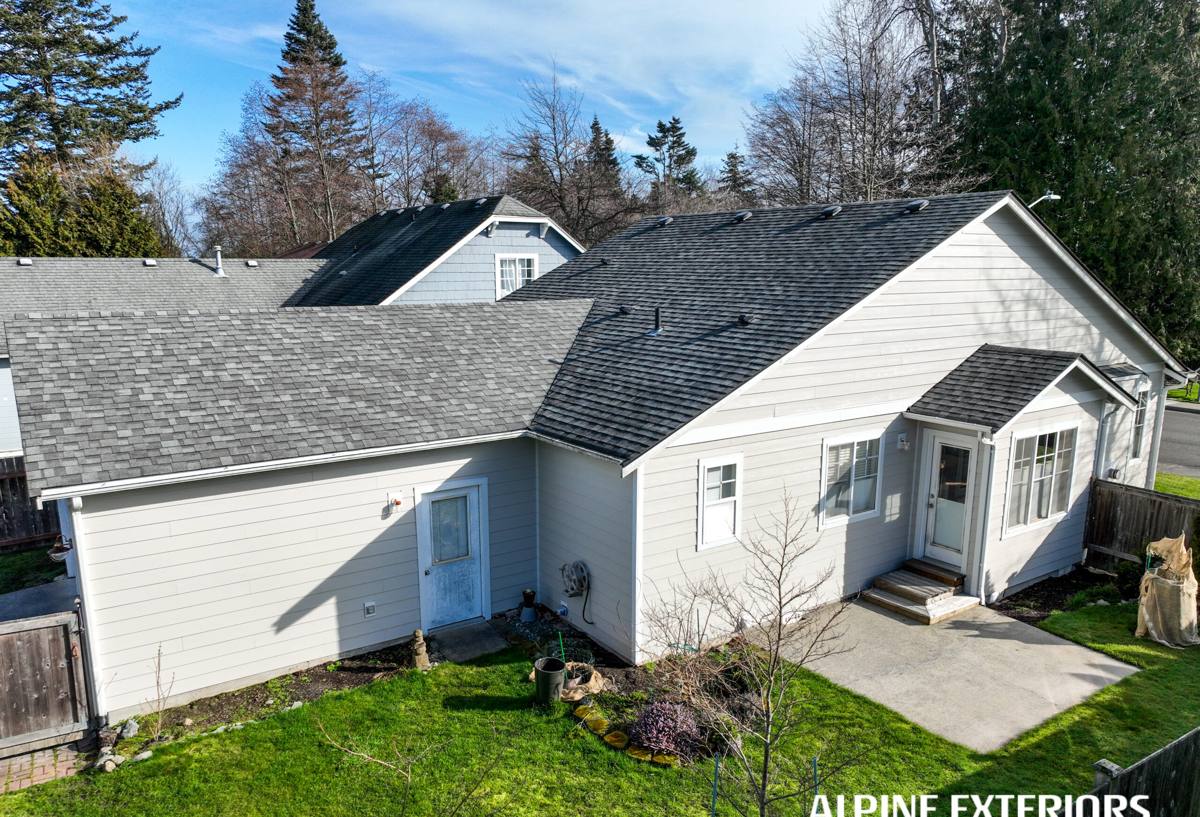
What Orcas Island's Climate Actually Does to a Roof
Salt Air and Corrosion
Being surrounded by saltwater means airborne salt settles on every exterior surface, including the roof. Over years, salt exposure can accelerate corrosion on unprotected or poorly coated metals and fasteners. This is why material choice and fastener quality matter more here than they would on a roof fifty miles inland.
Driving Rain
Storms coming off the water often bring rain sideways, not straight down. That means underlayment, flashing details, and panel overlaps have to be done with wind-driven rain in mind — a roof that only sheds water moving straight down will eventually leak here.
Moss and Organic Growth
Shaded, moisture-holding surfaces on Orcas grow moss fast, often starting earlier in the season than on the mainland. Moss holds water against a roof surface and, on organic materials like wood or asphalt, can shorten the roof's life considerably. Metal roofing gives moss far less to hold onto, which is one of the bigger practical advantages for island homes with tree cover.
How a Correct Metal Roof Job Is Built
A metal roof is only as good as what's underneath and around it. The panels get the attention, but the details that actually prevent leaks are usually hidden.
- Proper deck inspection and repair before anything goes down — metal telegraphs an uneven or soft deck
- A quality synthetic or high-temp underlayment suited to the panel type and local moisture load
- Ice and water shield at eaves, valleys, and any low-slope transitions
- Correct fastener type and spacing for the specific panel profile — not universal hardware store screws
- Properly lapped and sealed flashing at every penetration, wall transition, and valley
- Ventilation planned for the actual roof assembly, not bolted on as an afterthought
- Panel layout planned to handle wind-driven rain at seams and laps, not just standard runoff
Skipping any one of these doesn't usually show up as a problem on day one. It shows up two, five, or ten winters later, usually during the kind of storm this area gets regularly.
Choosing the Right Metal Roofing System for Orcas Conditions
Not all metal roofing is the same product wearing a different color. The panel profile, coating, and fastening method all affect how a roof performs against salt air and wind-driven rain.
| System Type | Best For | Key Consideration on Orcas |
|---|---|---|
| Standing seam (concealed fastener) | Most homes, especially near shoreline exposure | No exposed fasteners to corrode; best wind and water performance |
| Exposed-fastener metal panels | Budget-conscious projects, outbuildings, shops | Fasteners and washers need to be rated for coastal exposure and checked over time |
| Metal shingles/shakes | Homes wanting a traditional look with metal's durability | More seams and laps to detail correctly against driving rain |
| Uncoated or mill-finish steel | Not recommended for this area | Salt air accelerates corrosion without a proper protective coating |
We generally steer homeowners toward standing seam or well-coated panel systems for anything close to the water, simply because the concealed fastener design removes the most common long-term failure point — exposed screws that loosen or corrode over time. That's a professional judgment call based on maintenance burden, not a knock on every exposed-fastener product; there are legitimate uses for it, particularly on secondary structures.
Coatings and Finishes Matter More Here Than the Metal Itself
The base metal (steel or aluminum) is only part of the corrosion equation. The factory coating system — the paint and any protective layer beneath it — is what actually stands between the metal and the salt air over the long run. On Orcas, we pay close attention to:
- Coating warranty length and what it actually covers (fade vs. chalking vs. film integrity)
- Whether the coating is rated for coastal/marine environments, not just standard residential use
- Cut-edge protection where panels are field-cut, since bare cut edges are a common early corrosion point
- Fastener coating matched to the panel material to avoid galvanic reaction between dissimilar metals
This is one of the areas where a lower up-front price on materials can cost more over a 20-30 year roof life. It's worth asking direct questions about coating specs before committing to a product.
Moss and Maintenance on a Metal Roof
Metal roofing dramatically reduces moss problems compared to wood or asphalt, but it doesn't make a roof maintenance-free, especially under tree cover common on Orcas Island. A little seasonal attention keeps a metal roof performing the way it should:
- Clearing debris from valleys and gutters before fall rains, where organic matter can trap moisture against panel seams
- Keeping overhanging branches trimmed back to reduce shade and debris buildup
- Checking flashing and sealant at penetrations every year or two, since sealants age faster in coastal UV and salt exposure
- Rinsing off heavy pollen or organic buildup rather than letting it sit season after season
None of this is heavy labor, which is part of why metal roofing appeals to homeowners who are tired of the moss-scraping cycle that asphalt and cedar roofs demand on this island.
Our Process for Orcas Island Metal Roofing Projects
Because we already work on Orcas regularly, we're familiar with the logistics of island projects — material delivery timing, weather windows, and coordinating around ferry schedules — which keeps jobs on track instead of stalling on things that catch outside crews off guard.
- On-site assessment of the existing roof, deck condition, and any problem areas specific to the home's exposure
- Straightforward recommendation on panel type, coating, and detailing based on the home's location and tree cover
- Clear written scope covering underlayment, flashing details, ventilation, and fastening specs — no vague line items
- Scheduling that accounts for weather windows and material logistics for island delivery
- Installation with attention to the details that actually prevent leaks: laps, flashing, penetrations, and terminations
- Final walkthrough so you understand what was done and what (if any) simple maintenance keeps it performing
Repairs and Replacement: Knowing Which One You Need
Not every metal roof issue on Orcas means a full replacement. Common issues we evaluate include loosened or corroding fasteners on exposed-fastener systems, failed sealant at flashing points, minor denting from fallen branches, and coating wear at high-exposure areas facing the water. A proper repair addresses the actual failure point rather than just caulking over a symptom. If a roof is older, under-detailed from a prior installation, or has widespread coating failure, replacement is usually the more honest recommendation — we'll tell you which situation you're in rather than defaulting to the bigger job.
What This Costs to Think Through
Metal roofing typically costs more up front than asphalt shingles, and the final number depends on panel type, roof complexity, and current roof condition. Rather than quote a number that won't reflect your specific home, we look at these factors during the estimate:
| Cost Factor | Why It Matters on Orcas |
|---|---|
| Panel system chosen | Standing seam costs more than exposed-fastener panels but reduces long-term maintenance |
| Roof complexity (valleys, dormers, penetrations) | More detailing points needed against wind-driven rain |
| Existing deck condition | Repairs add cost but prevent problems under the new roof |
| Coating/warranty tier | Marine-grade coatings cost more but resist salt air longer |
| Access and logistics | Site access and material delivery timing affect labor and scheduling |
We'd rather walk your specific roof and give you real numbers than throw out a broad range that doesn't mean much for your situation.
If you're weighing metal roofing for a home on Orcas, we're glad to take a look and talk through what makes sense for your specific site, tree cover, and exposure. Reach out for a free, no-pressure estimate using the form below.