 Orcas Island Siding
 Why Friday Harbor Roofs Age Differently
A roof in Friday Harbor doesn't fail the same way a roof does fifty miles inland. San Juan County sits in a marine climate, and that means three things working against your shingles, shakes, or metal panels at the same time: salt-laden air coming off the water, long stretches of driving rain in the fall and winter, and a shaded, damp environment that grows moss almost year-round. None of these are dramatic on their own. It's the combination, applied every season for years, that turns a small flashing gap or a few lifted shingles into a leak inside the attic.
Homes on San Juan Island and throughout the surrounding islands also tend to sit under mature evergreens, which drop needles and debris into valleys and gutters faster than the roof can shed them. Add wind off the water and you get a roof surface that's constantly wet, constantly collecting organic material, and rarely getting a real chance to dry out between storms. That's the environment any repair on a Friday Harbor home has to be built to survive, not just patched to look right for a season.
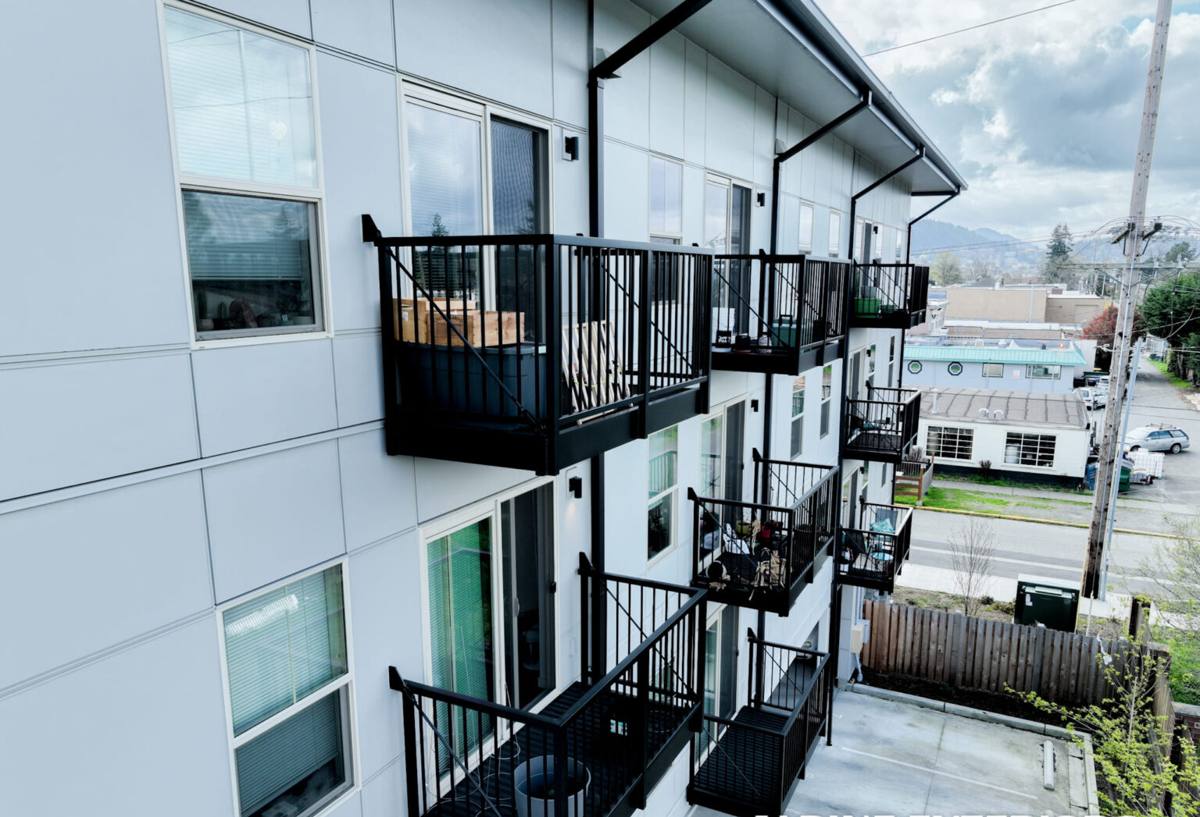
Signs a Friday Harbor Roof Needs Repair
Most roof problems out here don't start as a hole. They start small and get worse quietly, often in places you can't see from the ground. Homeowners usually notice one of the following first:
- Dark streaking or green-black moss buildup concentrated on the north-facing or shaded slopes
- Granule loss showing up in gutters or at downspout outlets
- A soft spot or slight sag when walking the attic, especially near valleys or chimneys
- Water staining on interior ceilings, particularly after a multi-day rain event
- Curling, cracked, or lifted shingle edges near roof edges exposed to wind
- Rust streaks or separated seams on metal roofing near fasteners or flashing
Any one of these can be a straightforward repair if it's caught early. Left through another wet season, the same issue can spread into the decking underneath, which turns a repair into a much larger project.
What a Correct Repair Actually Involves
It's Rarely Just the Shingle You Can See
A leak almost never originates directly above the stain on your ceiling. Water travels along the underside of the roof deck or down a rafter before it shows itself indoors, so a repair that only replaces the shingle nearest the stain often misses the real entry point. A proper repair traces the water back to its source: a cracked pipe boot, a nail that backed out, a flashing seam that opened up, or underlayment that's failed after years of saturation.
Flashing Gets the Most Attention
In a climate this wet, flashing does more work than the shingles themselves. Chimneys, skylights, dormers, and roof-to-wall transitions are where the vast majority of leaks originate, because these are the spots where two materials meet and rely on a metal seal rather than shingle overlap. We check step flashing, counter-flashing, and valley metal on every repair call, even when the reported problem is somewhere else on the roof, because a failing flashing detail nearby is often the actual cause.
Moss Removal Has to Be Done Correctly
Moss isn't just cosmetic. It holds moisture against the roofing material, lifts shingle edges as it grows, and its root structure can work granules loose over time. Removing it with a pressure washer or a metal scraper does real damage to shingle surfaces and voids most manufacturer warranties. We remove moss by hand with soft brushing and an appropriate treatment, then address the underlying cause — usually shade and poor airflow — so it doesn't come back as fast.
Ventilation Is Part of the Repair, Not an Extra
A roof deck that can't breathe stays damp longer after every rain, which accelerates rot and helps moss establish itself. When we open up a repair area and find poor attic ventilation contributing to the problem, we'll tell you plainly rather than just closing it back up and leaving the underlying cause in place.
Common Roofing Materials Around Friday Harbor and How They Repair
| Material | Typical Repair Needs | Climate Considerations |
|---|---|---|
| Asphalt/composition shingle | Spot shingle replacement, flashing resealing, granule loss patching | Prone to moss buildup on shaded slopes; salt air can accelerate granule wear near the water |
| Cedar shake | Individual shake replacement, moss and moisture treatment, re-nailing loose shakes | Needs regular airflow and moss control or it holds moisture and decays faster |
| Metal roofing | Fastener replacement, seam resealing, rust spot treatment | Generally handles rain and moss well; salt air requires attention to fastener and coating condition over time |
| Flat/low-slope membrane | Seam repair, patching, drain and scupper clearing | Standing water from heavy rain is the main risk if drainage isn't kept clear |
No single material is immune to this climate. Each one just fails differently, which is why the right repair approach depends on what's actually on your roof, not a one-size-fits-all patch.
Our Repair Process
- Inspection first. We walk the roof and the attic when access allows, checking flashing, decking, ventilation, and the full roof surface — not just the spot you called about.
- Honest diagnosis. We explain what's actually causing the problem, in plain terms, before any work starts. If it's a simple fix, we say so. If it's early evidence of a bigger issue, we say that too.
- Written scope and cost. You know what's being repaired and roughly what it will cost before we start, not after.
- The repair. Matching materials as closely as possible, proper flashing and underlayment work, and moss or debris removal where it's contributing to the problem.
- Final check. We confirm the repair holds under a hose test where practical and walk you through what we found and fixed.
Repair or Replace? How We Help You Decide
Not every roof problem calls for a full replacement, and we're not going to push one on you if a repair will genuinely hold. But we're also not going to patch a roof that's structurally past the point of a reasonable fix. A few factors weigh heavily in that decision:
| Factor | Leans Toward Repair | Leans Toward Replacement |
|---|---|---|
| Roof age | Under roughly two-thirds of expected material lifespan | Near or past expected lifespan for the material |
| Extent of damage | Isolated to one area or detail | Widespread across multiple slopes |
| Deck condition | Solid, dry decking under the damaged area | Soft, rotted, or repeatedly wet decking |
| Repair history | First significant repair | Third or fourth repair to the same areas |
When we're on the fence, we'd rather tell you honestly that a repair is a short-term fix and let you decide with full information than sell you a replacement you don't need yet, or a repair that won't actually last.
Living With a Marine Climate: Ongoing Roof Care
A repair fixes what's broken today. Keeping the rest of the roof from reaching that same point takes some regular attention, especially with the moss season and rainfall San Juan County sees most of the year.
- Clear gutters and valleys of needles and debris at least twice a year, more often under heavy tree cover
- Have moss treated before it spreads across a full slope, not after
- Trim back overhanging branches to reduce shade and let the roof surface dry between rains
- Check attic ventilation if you notice consistent moisture or musty smells after wet weeks
- Schedule a walk-through inspection after any major windstorm, even if nothing looks obviously wrong from the ground
Why Local Experience on the Islands Matters
Roofing work in San Juan County comes with logistics that don't apply on the mainland. Materials, equipment, and crews often move by ferry, weather windows for tear-off and drying-in work are tighter, and every job has to be scheduled around what the marine forecast is actually doing, not just what a general regional forecast says. A crew that works this area regularly knows how to plan around ferry schedules, how to sequence a repair so exposed decking isn't left open during an incoming system, and which details on island homes tend to fail first because of salt exposure and shade. That local familiarity is the difference between a repair that's rushed to beat the next storm and one that's done right the first time.
Getting Started
If you're dealing with a leak, visible moss buildup, or just want a second opinion on a roof issue before it becomes a bigger problem, we're happy to take a look. We offer free, no-pressure estimates for roof repair work in Friday Harbor and throughout San Juan County — you'll get a straight answer about what's going on and what it will take to fix it, with no obligation to move forward. Use the form below to get in touch and we'll schedule a time to come out.