 Orcas Island Siding
 Roof Replacement in Deer Harbor: What Makes This Job Different
Deer Harbor sits on the water, and that changes what a roof has to survive. Homes here deal with a steady drift of salt air off the harbor, driving rain that comes in sideways during winter storms, and long stretches of shade and moisture that keep moss growing nearly year-round. A roof that would hold up fine inland in Mount Vernon or Bellingham can wear out faster out here simply because of where it sits. When we replace a roof in this part of Orcas Island, we're building for those specific conditions, not just swapping old shingles for new ones.
This page is about roof replacement specifically for Deer Harbor properties — what typically goes wrong first, what a correct replacement actually involves, and why the details matter more here than they do on a typical mainland job.
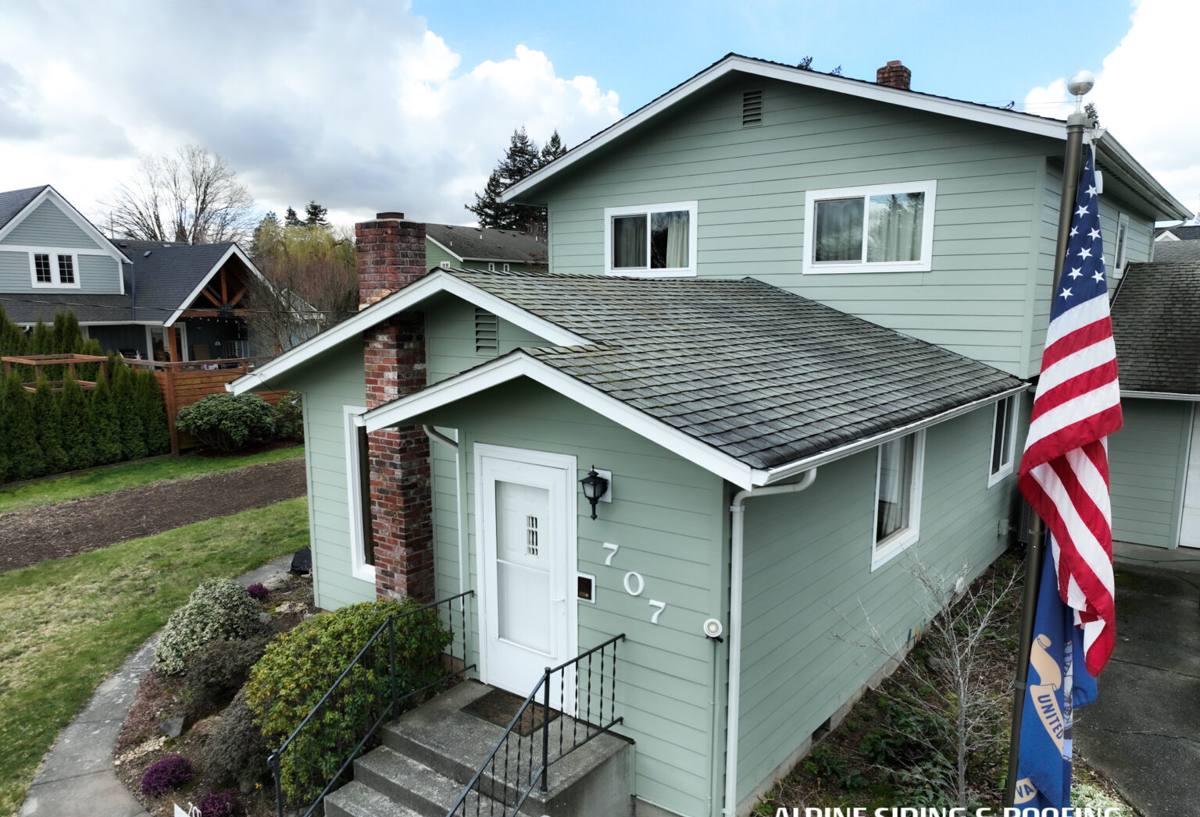
How San Juan County's Marine Climate Wears Down a Roof
Salt Air and Metal Fatigue
Salt-laden air corrodes exposed metal faster than it does inland — nails, flashing, vents, and drip edge all take the hit. On an older roof, this often shows up as rust streaks below fasteners or flashing that's gone thin and brittle long before the shingles themselves look worn out. A replacement is a chance to upgrade every metal component to something rated for coastal exposure, not just match what was there before.
Driving Rain and Wind-Driven Water
Storms coming across the Strait of Juan de Fuca and the San Juan Channel don't always arrive straight down. Wind pushes rain sideways and up under laps, ridges, and valleys that would stay dry in a calmer climate. That means underlayment coverage, valley details, and fastener patterns matter more here — a roof spec'd for a low-wind zone will leak on Orcas Island long before its shingles are actually worn out.
Moss, Shade, and Slow Drying
Deer Harbor's tree cover and marine humidity keep roofs damp longer after rain than open, sunny sites. Moss and lichen take hold in that lingering moisture, working under shingle edges and lifting tabs over time. A moss-covered roof isn't just a cosmetic issue — it's holding water against the roofing material and shortening its life.
Signs a Deer Harbor Roof Is Due for Replacement
- Moss or lichen covering more than isolated patches, especially on north-facing or shaded slopes
- Granule loss showing up in gutters or at downspout outlets
- Curling, cupping, or cracked shingles, particularly on sections that get the most wind exposure
- Rust staining at flashing, vents, or nail heads
- Soft spots in the decking when walked, or visible sagging along the ridge or eaves
- Daylight visible through the roof deck from inside the attic
- Repeated interior water stains that keep coming back after patch repairs
- A roof that's simply reached the end of its material's expected service life
Any one of these on its own might just mean a repair. Several at once, especially combined with a roof that's already 20+ years old, usually means repair costs stop making sense compared to a full replacement.
What a Correct Roof Replacement Involves Here
A roof replacement done right for this climate isn't just "old shingles off, new shingles on." The parts that actually determine how long the roof lasts are mostly things you won't see once it's finished.
Tear-Off and Deck Inspection
We remove the old roofing down to the deck and inspect every sheet of sheathing. Damp climates like Deer Harbor's are more likely to have hidden rot around old leak points, valleys, or roof penetrations. Soft or delaminated decking gets replaced before anything new goes down — covering over bad decking is how a new roof fails early.
Underlayment Built for Wind-Driven Rain
Given how often wind pushes rain up under roofing edges here, we use synthetic or ice-and-water-shield underlayment at eaves, valleys, and other vulnerable spots rather than relying on minimal-coverage underlayment. This is one of the biggest differences between a roof that leaks in year three and one that doesn't leak in year twenty.
Flashing and Metal Upgrades
All flashing — step flashing, valley flashing, chimney and vent flashing, drip edge — gets replaced with corrosion-resistant material suited to a marine environment. This is one of the most common places we find shortcuts on older roofs, and it's usually where leaks start first.
Ventilation
Proper intake and exhaust ventilation keeps the attic drier, which slows moss growth from the underside and helps the new roofing material dry out faster after storms. Poor ventilation is a quiet contributor to premature roof failure in shaded, humid sites like Deer Harbor.
Final Detailing
Fastener patterns, starter strip placement, and ridge cap installation are all checked against manufacturer specs for high-wind zones — not just "good enough" installation, since the wind exposure here is genuinely higher than average.
Material Options for a Deer Harbor Home
| Material | How It Handles This Climate | Maintenance Consideration |
|---|---|---|
| Architectural asphalt shingle | Solid performance when installed with proper underlayment and flashing; widely available warranty support | Needs periodic moss removal in shaded areas; moderate lifespan |
| Metal roofing | Sheds water and moss buildup well, handles wind-driven rain effectively | Requires coastal-rated fasteners and coatings to resist salt corrosion long-term |
| Synthetic/composite shingle | Resists moisture absorption better than some traditional materials | Installation sensitivity is higher; correct technique matters more than with standard asphalt |
| Wood shake/shingle | Traditional look but holds moisture longer in a humid, shaded site | Higher maintenance burden here specifically because of moss and slow drying; we're upfront about that trade-off before recommending it |
We don't push one material on every home. The right choice depends on how much sun and wind exposure the roof actually gets, the home's style, and how much ongoing maintenance the owner wants to take on.
Our Process, Start to Finish
- On-site inspection. We look at the current roof, the attic, and the specific exposure of the property — how much shade, wind, and moisture it deals with.
- Written estimate. Clear scope, material options, and pricing — no vague allowances or surprise add-ons later.
- Scheduling around weather. Roofing on Orcas Island means working around real weather windows, and we plan the job to avoid leaving a house exposed mid-project.
- Tear-off and deck repair. Full removal, deck inspection, and replacement of any compromised sheathing.
- Installation. Underlayment, flashing, ventilation, and roofing material installed to spec for wind and moisture exposure.
- Final walkthrough. We review the finished work with the homeowner before calling the job done.
Why a Crew Already Working on Orcas Island Matters
Deer Harbor is remote enough that logistics are a real part of the job, not an afterthought. Materials, crew, and equipment all have to get here by ferry or barge, and weather windows on the water can shift a schedule with little notice. A crew that already works Orcas Island jobs regularly has that logistics figured out — they're not learning ferry schedules or discovering supply delays mid-project. They also already understand San Juan County permitting and the specific wear patterns local roofs show, instead of applying a generic mainland approach to a marine-exposed home.
That familiarity also means fewer surprises during the job. A crew that's replaced other roofs in this area knows what the decking usually looks like once you pull the tear-off, what flashing details tend to fail first, and how to sequence work around real Pacific Northwest weather instead of a generic schedule.
Cost Factors to Expect
We're not going to quote a number here that doesn't mean anything without seeing the actual roof — pitch, size, decking condition, and material choice all move the price. What we can tell you honestly is what tends to drive cost up or down on a Deer Harbor job specifically:
- Deck condition: hidden rot found during tear-off adds cost, but it's not optional to fix
- Roof complexity: valleys, dormers, and steep pitches take more labor and material than a simple gable roof
- Material choice: metal and composite options generally cost more upfront than standard asphalt
- Access and logistics: waterfront and hard-to-reach properties can add setup time
- Ventilation and flashing upgrades: worth the added cost given how much they extend roof life in this climate
If you're comparing bids, ask what underlayment and flashing spec each contractor is actually using — that's where corners get cut, and it's the part that decides whether the roof lasts.
If your roof in Deer Harbor is showing moss buildup, granule loss, or age, we're happy to take a look and give you a straight answer — whether that's a repair or a full replacement. Fill out the form below for a free, no-pressure estimate.