 Orcas Island Siding
 Rosario Decks Face a Different Kind of Wear
Rosario sits on the water on Orcas Island's east side, and that location comes with a specific set of problems for any outdoor structure. A deck built to a generic mainland spec doesn't hold up the same way out here. Salt-laden air off Rosario Strait, long stretches of shade under fir and cedar canopy, and rain that comes in sideways as often as it falls straight down all put stress on decking materials, fasteners, and framing in ways that inland Washington homes rarely deal with. We've worked enough decks in this specific pocket of San Juan County to know which failure points show up first and which choices actually prevent them.
This page is about one job in one place: composite decking, installed correctly, for a home in the Rosario area. Not a general product pitch — the actual conditions your deck will live in, and what it takes to build something that holds up to them.
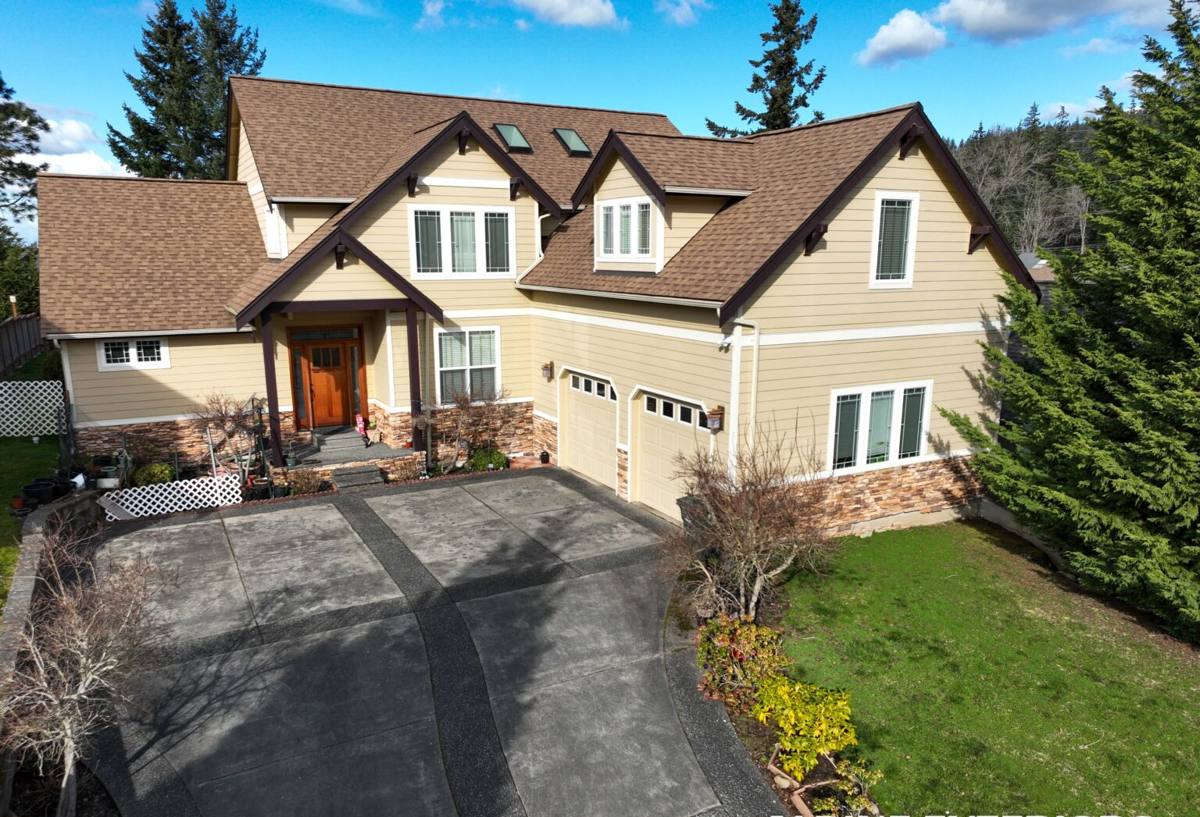
What the Climate Actually Does to a Deck
Salt Air and Metal Fasteners
Proximity to the water means airborne salt settles on every exposed surface, including the hardware holding your deck together. Standard fasteners corrode faster here than they would twenty miles inland. Corrosion doesn't just stain — it weakens the connection between boards and framing over years, and it's invisible until a board starts to lift or squeak. This is a fastener and flashing problem as much as it's a decking-material problem, and it's the piece a lot of quick installs skip.
Moss, Shade, and Standing Moisture
Orcas Island's tree cover keeps a lot of decks in partial shade for large parts of the day, especially through fall and winter. Combined with regular rain, that shade means surfaces stay damp longer than they would in full sun. Moss and algae take hold in exactly those damp, shaded spots — usually first along board edges, in fastener recesses, and anywhere water sits instead of draining. A moss-covered deck isn't just an appearance issue; it's slick underfoot and it holds moisture against the board surface long-term.
Driving Rain and Wind-Driven Water
Storms coming off the water don't always fall straight down. Wind-driven rain gets pushed under rail caps, into ledger connections, and behind fascia boards that weren't detailed with that angle of water in mind. A deck that looks fine in a dry-season walkthrough can still have water finding its way into framing during a January blow. Flashing and gapping decisions matter more here than they would in a drier, calmer climate.
Composite vs. Wood for a Rosario Deck
We install both, and each has a place. For a home in this specific environment, here's how they actually compare once salt air and moss exposure are part of the equation:
| Factor | Composite Decking | Wood Decking |
|---|---|---|
| Moisture absorption | Low — capped boards shed water, resist swelling | Higher — absorbs and releases moisture with weather cycles |
| Moss and algae resistance | Better on capped products; still needs cleaning in shaded areas | Porous surface gives moss more to grip; needs more frequent treatment |
| Fastener corrosion exposure | Same risk — hardware choice matters regardless of decking material | Same risk — hardware choice matters regardless of decking material |
| Refinishing needs | None — no staining or sealing cycle | Periodic sanding, staining, or sealing to keep water out |
| Upfront cost | Higher material cost | Lower material cost, higher lifetime maintenance cost |
| Long-term appearance in shade | Holds color and texture with routine cleaning | Grays, checks, and can cup or split without upkeep |
Composite isn't maintenance-free — nothing on this island is — but it removes the refinishing cycle that wood demands, which matters when a property isn't occupied year-round and doesn't get attention every season.
What a Correct Composite Installation Involves
Composite boards are only as good as what's underneath and holding them down. A correct install for this climate covers:
- Joist spacing tightened to the manufacturer's spec for the board profile, not a generic 16-inch layout, since composite behaves differently under load than wood
- Stainless or coated fasteners rated for coastal/salt-air exposure, not standard galvanized hardware that corrodes faster here
- Proper gapping between boards for drainage and thermal expansion, calculated for actual on-site temperature swings, not a rule-of-thumb gap
- Flashing and a water-resistant barrier at the ledger board connection to the house, sized for wind-driven rain, not just vertical runoff
- Under-deck ventilation so trapped moisture and shaded, damp air can actually move instead of sitting against the framing
- Hidden fastener systems or properly sealed face-screwed connections, depending on the board profile chosen
- A drainage plan for the substructure — grading, gravel, or a membrane system — so water moves away from the house instead of pooling under the deck
Skip any one of these and the deck may still look right for a season or two before the shortcuts show up — usually as a soft spot, a lifted board, or moisture damage where it can't easily be inspected.
Board and Fastener Choices That Matter Here
Not every composite board is built the same way, and for a property exposed to salt air and shade, we weigh a few things before recommending a specific line:
Capped vs. uncapped composite. Fully capped boards have a protective shell around the core, which matters more here than in a drier inland location — it's what keeps moisture and salt from working into the board's core over years. We generally steer clients toward capped products for this reason rather than as an upsell.
Color and heat behavior. Darker boards show less moss staining between cleanings but run hotter in direct sun and can be less comfortable barefoot on the rare full-sun afternoon. Lighter and mid-tone boards show algae staining sooner but stay cooler. This is a real trade-off worth discussing before ordering, not an afterthought.
Fastener compatibility. Some board systems require a specific clip or screw to keep the warranty intact. In a corrosive salt-air environment, we don't substitute a cheaper fastener to save a few dollars — it's the piece most likely to fail first if it's the wrong spec.
How We Work a Rosario Job
Jobs on this side of Orcas Island get planned differently than a mainland deck build, mostly around logistics:
Site visit and assessment. We look at existing framing condition, sun/shade exposure through the day, drainage slope, and how close the deck sits to prevailing wind and water. That assessment drives the fastener spec and drainage plan, not a standard template.
Material staging. Decking material, fasteners, and framing lumber get ordered and staged in advance so a ferry-dependent delivery schedule doesn't stall the job mid-build. We plan the timeline around that reality up front instead of discovering it partway through.
Demo and framing. If we're replacing an existing deck, we check the substructure for rot or corrosion damage before covering it back up — a new composite surface over compromised framing just hides the problem.
Installation. Boards go down to the fastener and gapping spec for the specific product, with flashing and ventilation detailed for this climate, not a generic install sheet.
Final walkthrough. We go over the finished deck with the homeowner, including a straightforward maintenance rundown — what to expect from this specific board in this specific location.
Living With a Composite Deck in This Climate
Composite cuts out the sanding-and-staining cycle, but it still needs seasonal attention here:
| Task | Why It Matters in This Climate | Rough Frequency |
|---|---|---|
| Sweep debris and needles | Trapped organic matter holds moisture and feeds moss growth | Monthly, more in fall |
| Wash with mild soap and a soft brush | Removes salt film and early moss/algae before it takes hold | 1–2 times per year |
| Check gap lines for debris buildup | Blocked gaps stop proper drainage between boards | Seasonally |
| Inspect fasteners and rail connections | Salt air accelerates corrosion at exposed hardware | Annually |
| Clear under-deck ventilation gaps | Keeps moist, shaded air from stagnating against framing | Annually |
None of this is heavy work, but skipping it in a climate this damp lets moss and salt residue get ahead of you faster than it would elsewhere in the state.
Why a Crew That Already Works This Island Matters
Getting materials, equipment, and a crew to Orcas Island takes real planning around ferry schedules — it's not a same-day fix if something gets ordered wrong or a detail gets missed. A crew that already builds decks in this part of San Juan County has worked out that logistics problem, knows which fastener specs actually hold up to salt air here, and has seen firsthand where generic installation details fail in this specific combination of shade, rain, and moisture. That experience shows up in fewer callbacks and a deck that's actually built for where it sits, not for a spec sheet written for a different climate.
If you're planning a new composite deck or replacing one that's showing its age, we're happy to walk the site, look at your framing and exposure, and put together a straightforward, no-pressure estimate. Use the form below to get started.