 Orcas Island Siding
 Deer Harbor's Waterfront Climate Puts Real Demands on Siding
Deer Harbor sits close to the water on the southwest side of Orcas Island, and that location comes with a specific set of exterior conditions that inland San Juan County homes don't deal with in the same way. Salt-laden air moves off the water and settles on every exposed surface, including siding, trim, and fasteners. Add in wind-driven rain that comes in sideways during winter storms, and long stretches of damp, low-sun weather that keep north- and west-facing walls wet for days at a time, and you have a climate that punishes any siding system with weak seams, poor drainage, or marginal fastening.
Moss season is the other piece of the puzzle. San Juan County's mild, wet winters and shaded tree lines mean moss and algae get a long runway to establish themselves on roofs, trim, and lower siding courses. Siding that can't shed water quickly, or that traps moisture behind it, becomes a host for growth and, eventually, rot at the substrate. None of this is unique to any one house in Deer Harbor — it's the baseline condition every home in this pocket of the island has to be built to handle.
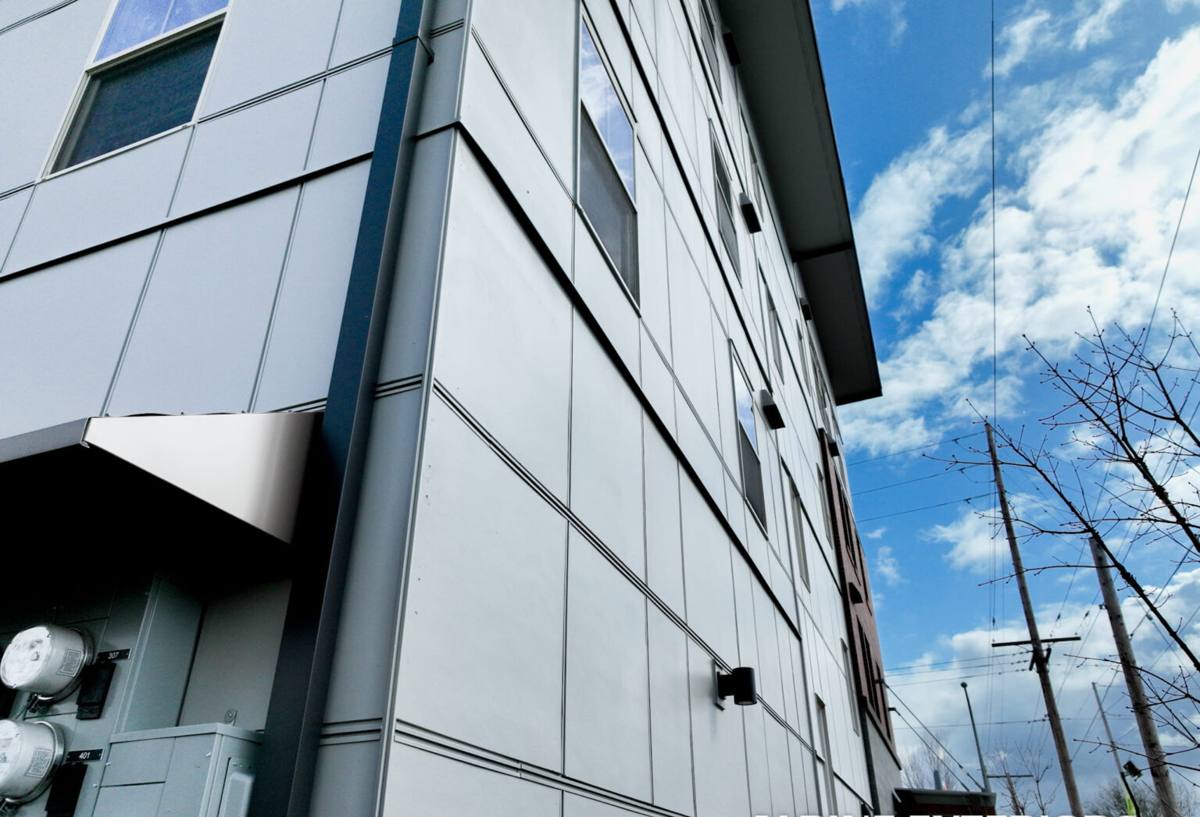
What "Correct" Siding Installation Actually Means Here
A lot of siding problems on Orcas Island homes aren't caused by the siding material itself — they're caused by installation shortcuts that don't show up until years later. For a waterfront-adjacent property like the ones in and around Deer Harbor, correct installation means paying close attention to a handful of details that are easy to skip and expensive to fix after the fact.
Drainage Plane and Rainscreen Gap
Siding should never sit flush against the weather-resistive barrier. A proper rainscreen gap — typically created with vertical furring strips or a purpose-built drainage mat — lets any water that gets behind the siding drain out and lets air circulate to dry the wall assembly. On a site that sees as much wind-driven rain as Deer Harbor, skipping this gap is one of the fastest ways to trap moisture against sheathing.
Flashing at Every Penetration
Windows, doors, hose bibs, light fixtures, and deck ledgers all interrupt the siding plane, and each interruption needs flashing detailed to shed water downward and outward, not into the wall. Storms that push rain sideways will find any flashing gap eventually — it's just a matter of time.
Fastener Selection and Placement
In a salt-air environment, fastener corrosion resistance isn't optional. Fasteners need to match the siding manufacturer's specification for coastal exposure, and they need to be placed and driven correctly — over-driven or under-driven nails compromise both the water resistance and the wind-load performance of the siding, and Deer Harbor gets its share of winter wind events off the water.
Clearance and Grade Details
Siding that ends too close to grade, a deck surface, or a roofline wicks up moisture and stays wet longer than it should. Correct installation keeps manufacturer-specified clearances at every one of those transitions, even when it means a little extra trim work.
Why We Install Only James Hardie Fiber Cement
We standardized on James Hardie fiber cement siding for every project we take on, including homes in Deer Harbor, and we don't install vinyl, LP SmartSide, or other fiber cement brands. The short version: Hardie's fiber cement is non-combustible, holds up to sustained moisture exposure without the swelling or edge deterioration that engineered wood products can experience, and its ColorPlus factory finish is baked on under controlled conditions rather than field-applied, which matters a great deal in a climate where paint failure shows up fast on a poorly finished product. Hardie also engineers specific product lines for different climate zones, which lets us match the right specification to a coastal, high-moisture site like this one instead of using a one-size-fits-all product.
This isn't a knock on every alternative product on the market — it's that we'd rather stand behind one system we know performs correctly here than install several products with different failure modes and different warranty structures. When we tell a Deer Harbor homeowner what to expect from their siding in ten or twenty years, we want that answer to be based on a product we trust completely.
Choosing the Right Hardie Line and Finish for a Coastal Orcas Island Home
Not every Hardie product is specified the same way on every home. Exposure, wall orientation, and how close the house sits to the water all factor into the recommendation.
| Consideration | What It Affects | Typical Approach for Deer Harbor |
|---|---|---|
| Wall orientation (west/south facing water) | Rain and salt exposure intensity | Prioritize full rainscreen detailing and marine-grade fasteners on these elevations |
| Tree cover and shade | Drying time, moss and algae growth | Factor in wider board profiles or trim details that shed water faster in shaded zones |
| Existing siding condition | Whether tear-off or overlay is appropriate | Tear-off is generally preferred so the drainage plane can be inspected and corrected |
| Finish selection | Long-term color retention | Factory-applied ColorPlus finish over field-painted primed product, especially given salt exposure |
| HardieTrim and soffit details | Moisture entry at edges and penetrations | Matched trim system installed with the same flashing discipline as the field siding |
Our Installation Process for Deer Harbor Projects
The process doesn't change dramatically from house to house, but the sequencing and attention to detail matter more on a site exposed to this much weather.
- On-site assessment: We look at wall orientation relative to the water and prevailing storm direction, existing moisture damage, roofline and deck transitions, and access constraints specific to the property.
- Tear-off and sheathing inspection: Removing the old siding lets us check the sheathing and framing underneath for rot or prior water intrusion before anything new goes on — this step catches problems that would otherwise get sealed behind new siding.
- Weather-resistive barrier and rainscreen installation: A correctly lapped barrier goes on first, followed by furring or a drainage mat to create the rainscreen gap.
- Flashing at every penetration: Windows, doors, and any wall-mounted fixtures get flashed before siding installation begins around them.
- Hardie siding and trim installation: Installed to manufacturer fastening and clearance specifications, with attention to butt joints, corners, and coastal-rated fasteners.
- Final inspection and cleanup: We walk the completed job checking caulking, trim reveals, and clearances before we call it finished.
Salt Air, Moss, and What to Expect After Installation
Even correctly installed siding lives in the same climate the old siding did. What changes is how the house handles that climate. A properly detailed rainscreen and factory-cured finish mean surface moisture and airborne salt don't get the chance to work into seams or under paint the way they can with a compromised installation. Moss and algae can still grow on any exterior surface in this part of Washington — that's a function of shade and moisture in the air, not a defect in the siding — but a smooth, factory-finished fiber cement surface with correct clearances sheds and dries faster than a porous or poorly ventilated wall assembly, which reduces how much organic growth takes hold on the siding itself.
Homeowners can expect to do periodic gentle washing to keep salt residue and organic growth from building up, particularly on north- and west-facing walls closest to the water. This is routine maintenance, not a sign of a problem, and it's far less involved than the repainting and caulk maintenance that other siding materials tend to require in this environment.
Cost Factors for Siding Installation on Orcas Island
Every project is different, but the variables that move the price on a Deer Harbor job tend to be consistent. We won't quote a number without seeing the house, but this is what typically drives cost up or down.
| Factor | Why It Matters |
|---|---|
| Tear-off vs. new construction | Removing existing siding and repairing sheathing adds labor but is usually the right call on older coastal homes |
| Wall complexity | Dormers, multiple rooflines, and bump-outs multiply flashing and trim work |
| Site access | Island logistics and material delivery to less accessible waterfront lots can affect scheduling and cost |
| Substrate repair | Rot found during tear-off needs to be addressed before new siding goes on |
| Trim and profile choices | Wider boards, shake-style accents, and custom trim details add material and labor time |
What to Ask Before Hiring a Siding Crew for a Deer Harbor Home
- Have they installed siding on other San Juan County waterfront or near-waterfront properties, and do they understand rainscreen and flashing detailing for this climate?
- Do they tear off existing siding to inspect sheathing, or do they install over it?
- What fastener specification do they use, and is it rated for coastal/salt exposure?
- Are they a certified installer for the siding product they're proposing, and what does that product's warranty actually cover?
- Can they explain their approach to flashing windows, doors, and deck penetrations before you sign a contract?
- Do they account for barge and ferry logistics in their project timeline, rather than treating Orcas Island like a mainland job site?
Why Local Experience on Orcas Island Matters
Working on Orcas Island isn't the same as working on the mainland side of San Juan County. Material deliveries have to be scheduled around ferry sailings, weather windows for exterior work are tighter in the wetter months, and site access on some Deer Harbor properties requires planning that a crew unfamiliar with the island simply won't anticipate. A crew that already works this area knows how to sequence a project so it isn't held hostage by a missed ferry or a storm system rolling in off the water, and knows what this specific stretch of coastline does to a siding installation that wasn't detailed correctly the first time.
That local familiarity, paired with a single fiber cement product line we install to the same standard on every job, is what lets us give Deer Harbor homeowners a straight answer about what their siding will need to hold up here — not a generic answer that would apply anywhere in the Pacific Northwest.
If you're planning a siding project on a Deer Harbor home, we're happy to walk the property, look at your specific exposure and existing conditions, and put together a free, no-pressure estimate. There's no obligation — just a straight assessment of what your home actually needs.