 Orcas Island Siding
 Siding Repair in Olga: A Different Job Than Repair Anywhere Else
Olga sits on the quieter, water-facing side of Orcas Island, and homes here take on a different kind of weathering than a house even a few miles inland. Salt-laden air off the water works into seams and fastener heads year-round, driving rain off the water finds every gap in a wall system, and the long, damp shoulder seasons in San Juan County give moss and algae months at a time to get established on north-facing walls and anything shaded by fir and cedar cover. A siding repair here isn't just "patch the bad board" — it has to account for what's actually causing the damage, or the same spot fails again in a year or two.
We repair siding for homeowners around Olga and the rest of Orcas Island regularly, and the calls tend to fall into a handful of patterns tied directly to this coastline and climate. Understanding those patterns is most of what separates a repair that holds up from one that's a temporary fix.
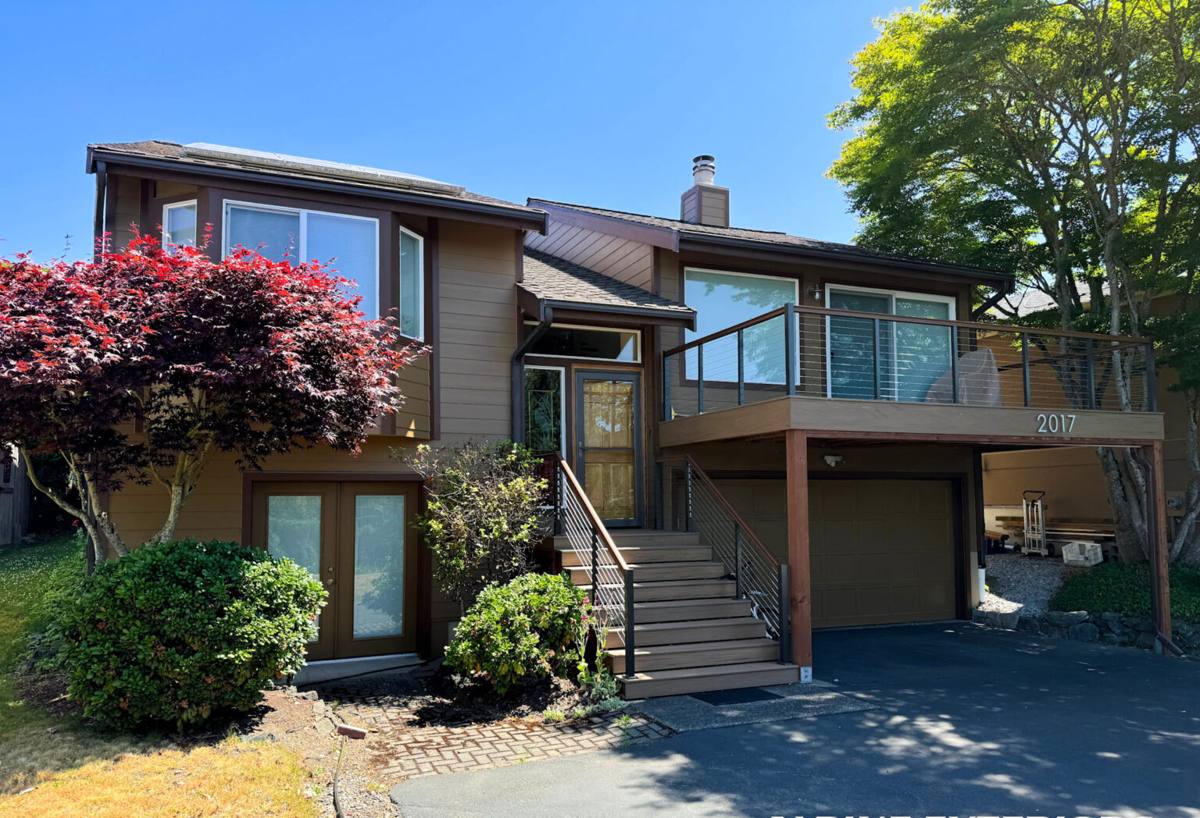
Why Olga Homes Take a Different Kind of Beating
Salt Air and Slow Corrosion
Homes with any water exposure around Orcas Island deal with airborne salt settling on exterior surfaces. It's subtle — you don't see it accumulate the way you'd notice dirt — but it's corrosive to exposed fasteners, trim fasteners, and any metal flashing that isn't properly protected or coated. Over years, that corrosion is often the actual root cause behind siding that looks like it "just cracked" or "just came loose." The fastener failed first.
Driving Rain and Wind-Driven Moisture
San Juan County gets weather systems that come in off the water with real force behind the rain, not just straight-down precipitation. Wind-driven rain gets pushed sideways into laps, seams, and butt joints that would stay dry in a calmer climate. Siding systems that aren't lapped, caulked, and flashed correctly for that kind of exposure let water track behind the cladding — and that's where the real damage happens, usually invisible until a board finally shows staining, swelling, or soft spots.
Moss Season Runs Long
Between the tree cover common around Olga and the extended damp stretch from fall through spring, moss and algae get a long runway to establish on siding, especially north- and east-facing walls that don't get much direct sun. Moss holds moisture directly against the siding surface far longer than open air would, which accelerates whatever moisture-related problem is already present underneath.
Signs Your Siding Needs Repair — Not Just a Cosmetic Fix
Some damage is obvious. Some isn't, and that's usually the more expensive kind if it sits unaddressed. Before you decide a repair is small or cosmetic, walk the exterior and check for these:
- Soft, spongy, or visibly swollen sections when you press on the siding by hand
- Persistent staining or dark streaking below seams, joints, or trim, even after cleaning
- Moss or algae that keeps returning to the same spot within a season of cleaning it off
- Fastener heads that are rusted, popped, or leaving rust streaks down the face of the siding
- Gaps at butt joints, corners, or window and door trim that weren't there a year or two ago
- Paint or finish that's peeling, bubbling, or chalking well ahead of what the product should show at its age
- Interior signs — a musty smell, discoloration on interior drywall near an exterior wall, or a slightly damp feel to interior trim near a suspect area
Any one of these on its own might be minor. Two or more clustered in the same area usually means moisture has been getting behind the siding for a while, and the repair needs to open that section up to find out how far it's traveled — not just cover the visible symptom.
What a Correct Siding Repair Actually Involves
Diagnosis Before Demolition
The first real step isn't pulling boards — it's figuring out why this section failed. Was it a flashing detail at a window head, a caulk joint that dried out and cracked, a fastener that corroded, or moss that sat against the wall long enough to hold moisture in? Repairing the visible board without addressing the cause means the same failure shows up again, usually sooner than you'd expect given the climate here.
Checking What's Behind the Siding
Once a section is opened, we check the water-resistive barrier, the sheathing, and any framing that's been exposed. If moisture has traveled behind the cladding — which it often has by the time siding shows visible damage in this climate — that hidden material needs to be dried out or replaced before new siding goes back on. Closing a wall back up over compromised sheathing just hides the problem for the next owner or the next repair call.
Matching the Existing Material
If the home is already sided in James Hardie fiber cement, a proper repair means matching the exact profile, exposure, and ColorPlus finish so the repaired section doesn't stand out as a patch. If the home has a different siding material, we'll talk through whether a like-for-like patch makes sense or whether it's a good point to start transitioning that section — or eventually the whole elevation — to a material built for this exposure.
Sealing and Flashing Details
Given how much of the damage we see traces back to wind-driven rain finding a gap, correct flashing at butt joints, window and door openings, and any penetration is not optional detail work — it's the part of the repair that determines whether it lasts five years or fifteen in this location.
Repair vs. Replacement: How We Help You Decide
Not every call needs a full re-side, and we're not going to tell you it does. But there's a point where patching individual sections stops making financial sense and a broader replacement becomes the smarter long-term move. Here's roughly how that decision breaks down:
| Factor | Favors Repair | Favors Replacement |
|---|---|---|
| Extent of damage | Isolated to one or two sections | Recurring in multiple areas across the home |
| Age of existing siding | Relatively young, otherwise sound | Near or past expected service life |
| Underlying moisture | Contained, dried, and correctable | Widespread behind multiple wall sections |
| Material match | Current product still available/matchable | Discontinued or mismatched, patches would be visible |
| Long-term plan | Homeowner plans to stay, wants targeted fix | Homeowner wants to stop recurring repair calls for good |
We'll always give you the honest read on which side of that table your home falls on — including telling you plainly when a repair is the right call and a full re-side would be overkill.
Why We Repair With, and Recommend, James Hardie Fiber Cement
We install James Hardie fiber cement exclusively, and that shapes how we approach repairs too. Hardie's ColorPlus factory finish, HZ5 formulation engineered for the kind of moisture and weather exposure common in this region, and non-combustible composition hold up to the salt air, driving rain, and moss conditions around Olga better than the alternatives we've chosen not to install — vinyl, LP SmartSide, primed wood, and other fiber cement brands each carry their own trade-offs in maintenance burden, moisture behavior, or long-term finish durability. When a repair section needs new material, or when repeated repair calls point toward a larger replacement conversation, Hardie is what we recommend and what we install, because it's what we're confident will actually hold up here rather than generate another repair call in a few years.
Our Process for Olga Repair Calls
Getting to You
Working Orcas Island regularly means we already account for ferry schedules and travel time when we book a repair visit, so you're not paying for a crew burning half a day getting to the job. We schedule realistically for island logistics rather than treating your home like it's a quick in-and-out mainland stop.
On-Site Assessment
We inspect the damaged area and the surrounding siding, check for the underlying cause, and give you a straight answer on scope — repair or something broader — before any work starts.
The Repair Itself
Compromised material comes out, anything behind the siding gets addressed, and new material goes in matched to the existing profile and finish, with flashing and sealant details done to hold up against this specific coastline's weather, not generic best practice for an inland climate.
Walkthrough
We walk the finished repair with you so you can see exactly what was done and why, including anything we found behind the siding that's worth keeping an eye on going forward.
Why Hiring a Crew That Already Works Orcas Island Matters
Island work isn't the same as mainland work, and it shows in small but real ways. A crew that doesn't regularly work San Juan County may underbid the ferry logistics, show up without accounting for material lead times that are longer here than on the mainland, or simply not recognize the specific failure patterns salt air and driving rain cause versus what they see on typical inland jobs. A crew that already works Olga and the surrounding areas has seen this exact combination of exposure enough times to know where to look first, what usually caused it, and how to build the repair so it actually lasts through another wet season rather than needing a return visit.
Keeping Your Siding in Good Shape After the Repair
A good repair holds up longer with a little basic upkeep, especially given how long moss season runs here:
- Rinse siding periodically, particularly shaded and north-facing walls where moss tends to return first
- Trim back tree and shrub growth that keeps a wall section shaded and damp longer than the rest of the house
- Walk the exterior once or twice a year and check caulk joints, trim, and corners for early cracking before it becomes a moisture entry point
- Address small issues — a loose piece of trim, a cracked caulk line — promptly rather than waiting for the next visible failure
None of this requires special equipment or a professional visit every time — it's mostly about catching small things early, which is a lot cheaper than letting them turn into the kind of hidden moisture damage this climate is so good at causing.
If you're seeing any of the warning signs above on a home in Olga or elsewhere on Orcas Island, we're happy to take a look and give you a straight, no-pressure assessment of what it actually needs. Use the form below to request a free estimate.