 Orcas Island Siding
 Friday Harbor's Climate Is Harder on Siding Than Most Homeowners Realize
Friday Harbor sits in the same marine weather system that shapes every corner of the San Juan Islands: salt-laden air off the water, long stretches of driving rain in the fall and winter, and a damp shoulder season that keeps north- and shade-facing walls wet for days at a time. Add in the moss and algae that thrive in that dampness, and you have a climate that quietly breaks down siding faster than a lot of homeowners expect, especially on materials that weren't built for it.
Salt air is corrosive to fasteners and finishes, and it accelerates the breakdown of caulk and paint film. Driving rain doesn't just wet a wall's surface — wind-driven moisture finds its way behind poorly lapped siding, around under-flashed trim, and into any seam that wasn't detailed correctly the first time. And moss doesn't just look bad; it holds moisture against the wall assembly for extended periods, which is exactly the condition that rots wood, delaminates weak composite products, and stains and warps vinyl over time.
None of that is unique to any one street or neighborhood in Friday Harbor. It's a function of being on an island in the Salish Sea, and it's the reason siding decisions here deserve more thought than they would in a drier, inland climate.
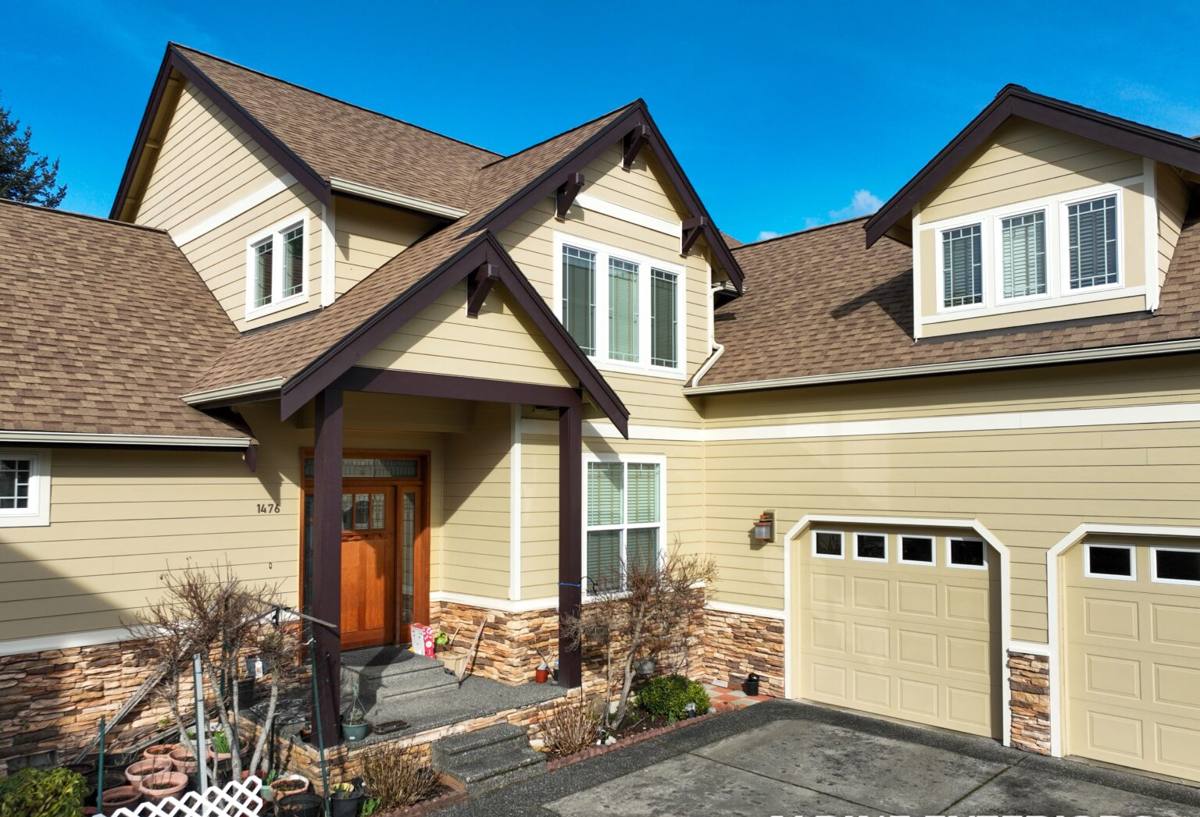
Signs a Friday Harbor Home Needs Siding Replacement, Not Just a Patch
Not every siding problem calls for a full replacement. But a few warning signs almost always mean the damage has moved past the surface and into the wall assembly underneath — at which point patching just delays a bigger repair.
- Soft or spongy spots when you press on the siding, especially near the bottom courses, window sills, and corners
- Visible cracking, buckling, or separation at seams and butt joints
- Paint that won't hold — repeated peeling or bubbling within a year or two of a fresh coat
- Persistent moss or algae growth that comes back within a season of cleaning
- Rising interior humidity, musty odor, or staining on interior walls that back up to exterior siding
- Visible gaps at flashing, trim, or penetrations (vents, hose bibs, light fixtures)
- Siding that's original to a home built more than 20-25 years ago and has never been replaced
If you're seeing two or more of these at once, it's usually a sign that moisture has been getting behind the siding for a while, not that the siding just needs a wash and a repaint.
What a Correct Siding Replacement Actually Involves
It Starts Underneath the Siding, Not With It
The siding itself is the least complicated part of a good replacement. The parts that determine whether the job lasts are the ones you don't see once it's done: the water-resistive barrier, the flashing at every window, door, and penetration, and the way each course is lapped and fastened. On a coastal property, we treat every one of those details as non-negotiable, because a wall that's built to be forgiving of driving rain and blowing salt spray needs a continuous drainage plane and correctly integrated flashing far more than it needs any particular brand of siding on the surface.
Full Tear-Off vs. Overlay
We don't recommend siding over existing siding on island homes. Overlaying traps whatever moisture and damage is already in the wall, hides rot instead of fixing it, and defeats the purpose of installing a new, better-performing product. A full tear-off lets us inspect the sheathing and framing underneath, replace anything compromised, and start the new assembly clean — which matters more here than in a drier climate, because hidden rot in a marine environment tends to be more advanced than it looks from outside.
Fasteners and Trim Matter as Much as the Panels
In a salt-air environment, fastener choice isn't a minor detail. Standard fasteners corrode faster near the water, and corroded fasteners lead to loose siding, streaking, and premature failure at the exact points where wind load is highest. Corrosion-resistant fasteners, correctly spaced and set to the manufacturer's specification, are part of what separates a job that holds up for decades from one that needs attention again in five years.
Why We Install Only James Hardie Fiber Cement
We made a standing decision, on every home we side, to install James Hardie fiber cement and nothing else. Not vinyl, not LP SmartSide, not cedar, not other fiber cement brands. That's not a marketing position — it's a practical one, built around what actually holds up on a marine-climate island property.
Fiber cement is non-combustible, which matters on properties surrounded by trees and brush. It doesn't rot, doesn't feed moss and algae the way wood-based products can, and it holds paint and factory finish far longer than vinyl or wood siding typically does in damp, salty air. Hardie's ColorPlus factory finish is baked on and warranted separately from the substrate, so you're not repainting every few years to keep ahead of a marine climate the way you often are with site-painted wood trim or older vinyl. Hardie also builds specific product lines engineered for different climate exposures, and a strong, transferable warranty backs the installation when it's done to spec.
We're not going to tell you vinyl or engineered wood products are junk — they're not, and they have their place. But for a home that has to stand up to salt air, driving rain, and a long moss season year after year, we've decided fiber cement is the product we're willing to put our name behind, and it's the only one we install.
How Our Process Works for Friday Harbor Projects
Working on island properties changes how a siding project gets planned, and we've built our process around that reality rather than treating it as an inconvenience.
- On-site assessment. We walk the exterior, check for moisture intrusion, and identify any rot or flashing issues before quoting the job — not after we've started.
- Material and logistics planning. Because materials, dumpsters, and crew often move by ferry, we plan deliveries and scheduling around ferry timing so the job isn't sitting idle waiting on a load that missed a sailing.
- Full tear-off and inspection. We remove the existing siding down to the sheathing, repair or replace any damaged framing, and install a continuous water-resistive barrier.
- Flashing and trim. Every window, door, and penetration gets properly integrated flashing before a single piece of Hardie siding goes up.
- Hardie installation to manufacturer spec. Correct fastener spacing, lap, and clearances, using corrosion-resistant fasteners suited to a salt-air environment.
- Final walkthrough. We check caulking, trim, and paint touch-up together with the homeowner before calling the job done.
Because our crew is already based in the islands, we're not treating a Friday Harbor project as a special trip that adds a mobilization surcharge or gets bumped every time weather or ferry schedules shift. It's a normal part of how we operate.
Comparing Siding Options for a Marine Island Climate
Homeowners weighing siding materials often focus on upfront cost and miss how differently these products behave once they've spent a few winters in salt air and driving rain. Here's an honest comparison of how the common options hold up in that specific environment.
| Factor | Vinyl | Wood / LP SmartSide | James Hardie Fiber Cement |
|---|---|---|---|
| Moisture and rot resistance | Doesn't rot, but can warp and gap | Vulnerable to rot and moisture swelling | Does not rot; engineered to resist moisture |
| Salt air / coastal durability | Can chalk and become brittle over time | Finish and substrate both degrade faster near salt air | Holds factory finish well in coastal exposure |
| Moss and algae resistance | Surface growth is common, cleanable | Growth can penetrate and hold moisture in the substrate | Resists moss adhesion better than wood-based products |
| Fire resistance | Combustible | Combustible | Non-combustible |
| Finish longevity | Color can fade; not repaintable easily | Site-applied paint typically needs recoating every few years | Factory ColorPlus finish, warranted separately |
| Typical service life when installed correctly | 20-30 years | 15-25 years, climate dependent | 30-50+ years |
This isn't to say vinyl or engineered wood products can't perform adequately in a milder climate. But in a marine environment with the specific combination of salt air, wind-driven rain, and prolonged dampness that the San Juan Islands see, the gap in long-term performance widens considerably.
Why Hiring a Crew That Already Works the Islands Matters
Siding contractors who primarily work the mainland and treat island jobs as occasional side trips run into problems that have nothing to do with their skill and everything to do with logistics. Missed ferry sailings push back start dates. Material orders that aren't planned around ferry capacity sit waiting. Weather windows that would be minor delays on the mainland can strand a partially open wall assembly for an extra day or two out here, which is exactly the kind of exposure that causes problems in a home with driving rain.
A crew based in the islands plans around all of that as a matter of course, not as an afterthought. We know how ferry scheduling affects material deliveries and crew availability, we're familiar with the permitting expectations in San Juan County, and we're not disappearing back to the mainland if a callback is needed. For a job where getting the moisture management right the first time really matters, that local familiarity isn't a nice-to-have — it's part of what keeps the project on schedule and done correctly.
Living With New Siding: Maintenance in a Salt-Air, High-Moss Climate
Fiber cement is low-maintenance compared to wood or vinyl, but "low-maintenance" doesn't mean "no maintenance," especially in this climate. A few habits go a long way toward protecting the investment:
- Rinse the exterior periodically to clear salt residue and organic buildup, particularly on north- and shade-facing walls where moss takes hold fastest
- Keep gutters clear so overflow doesn't run down the face of the siding and hold moisture against it
- Trim back vegetation and tree cover that keeps a wall section shaded and damp longer than the rest of the house
- Inspect caulking at trim and penetrations every year or two and touch up as needed
- Address any impact damage or fastener issues promptly rather than letting a small opening become a moisture entry point
None of this is heavy upkeep, but a little attention each year is what lets a correctly installed fiber cement system reach the long end of its service life instead of the short end.
If you're weighing a siding replacement on a Friday Harbor home and want an honest read on what your walls actually need, we're happy to take a look. Reach out for a free, no-pressure estimate — the form below gets you started.