 Orcas Island Siding
 Deck Building for West Beach, Orcas Island
West Beach sits right where the weather comes ashore. Homes here face open water exposure, salt-laden wind, and long stretches of wet, shaded conditions that most inland San Juan County properties never deal with. A deck built for a sheltered lot in town will not hold up the same way out here. If you're planning a new deck or replacing one that's showing its age, the build needs to start from what this specific stretch of coastline actually does to wood, fasteners, and finishes over time.
We build and repair decks across Orcas Island, and West Beach is one of the areas where we see the fastest deterioration on decks that weren't built with the right materials and details. This page covers what actually matters for a deck in this location — not generic deck-building advice, but what changes when salt air, driving rain, and moss are part of the daily environment.
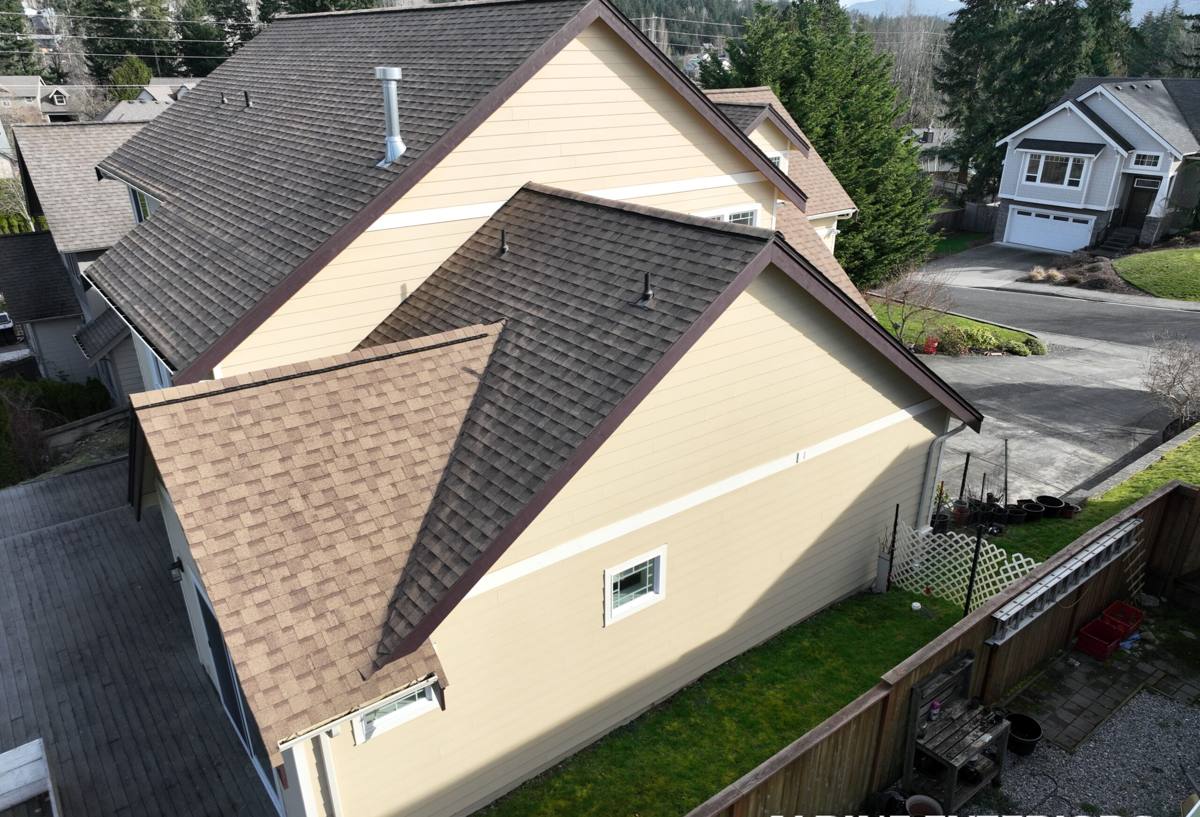
What West Beach's Climate Does to a Deck
Three things drive almost every deck failure we see in this part of the island:
Salt Air and Corrosion
Airborne salt from Puget Sound doesn't just sit on the surface — it works into fastener heads, hinges, hardware, and any exposed metal connector. Standard hot-dip galvanized fasteners can start showing rust bleed within a couple seasons this close to the water. Structural hardware that isn't rated for coastal exposure corrodes from the inside out, often well before the visible wood shows any sign of a problem. Once a joist hanger or post base starts failing, it's a structural issue, not a cosmetic one.
Driving Rain
Storms coming off the water don't fall straight down — wind-driven rain gets pushed sideways into ledger boards, fascia, and any horizontal surface that isn't properly flashed or sloped. Water that gets behind ledger boards or pools against a house wall is one of the most common sources of hidden rot we find on West Beach decks, usually well before the decking boards themselves look bad.
Moss and Prolonged Moisture
San Juan County's long wet season, combined with tree cover and north or shaded exposures common on this side of the island, means moss and algae get a real foothold on deck surfaces and framing. Moss holds moisture against wood far longer than open rain exposure alone, which accelerates rot in spots that never fully dry out between storms. A deck surface that looks fine from a distance can be sitting on framing that's been damp for months.
What a Properly Built West Beach Deck Requires
Building for this environment means treating the coastal exposure as a design input, not an afterthought. That shows up in a handful of specific decisions:
- Stainless steel or coated coastal-rated fasteners and structural hardware, not standard galvanized
- Proper ledger flashing with a drainage gap or standoff system so water can't get trapped against the house
- Decking spaced and sloped to shed water fast rather than let it sit
- Post bases set to keep end grain off standing water and away from splashback
- Material choices that don't depend on a perfect maintenance schedule to avoid moss and rot problems
- Ventilation underneath the deck so framing can actually dry out between rain events
None of this is exotic. It's standard coastal building practice — but it only works if it's specified up front. Retrofitting corrosion-resistant hardware or proper drainage after a deck is already built is far more expensive than building it right the first time.
Decking Material Options for This Location
We install a range of decking materials, and the right choice depends on budget, maintenance tolerance, and how much sun or shade the site gets. Here's how the common options actually perform in West Beach's conditions:
| Material | Moss / Moisture Behavior | Maintenance | Notes for This Location |
|---|---|---|---|
| Pressure-treated lumber | Absorbs moisture readily; needs sealing to resist moss and rot | Regular cleaning and re-sealing | Lowest upfront cost, but shortest lifespan without upkeep in this climate |
| Cedar | Naturally rot-resistant but still needs finish maintenance in salt air | Periodic sealing/staining | Good appearance, moderate longevity if maintained |
| Composite decking | Doesn't absorb water like wood, but surface moss/algae still needs occasional cleaning | Low — no sealing or staining required | Consistent performance in wet, shaded spots; our most-recommended option for exposed West Beach sites |
| PVC / capped composite | Fully resists moisture absorption | Lowest — occasional wash-down | Best long-term option where budget allows, especially on north-facing or heavily shaded decks |
We're honest about trade-offs rather than pushing one product. Real wood has a look composite can't fully replicate, and some homeowners are fine with the maintenance that comes with it. What we won't do is install a wood deck in a heavy-moss, high-exposure spot without being upfront that it will need real, regular upkeep to last — that's a maintenance-burden conversation, not a knock on the material itself.
Our Deck Building Process for West Beach Properties
1. Site Assessment
We walk the site to check exposure direction, existing drainage patterns, shade cover, and how close the deck will sit to the water side of the house. This tells us how aggressive the hardware and material spec needs to be.
2. Structural Design
Ledger attachment, footing depth, joist spacing, and hardware selection are all set based on that exposure — not a generic spec pulled off a shelf. If the site is fully exposed to prevailing weather off the water, we build to that standard even if it costs a bit more up front.
3. Framing and Flashing
This is where most deck failures actually originate, so it gets the most attention. Proper ledger flashing, standoff hardware where needed, and coastal-rated fasteners go in at this stage — details that are invisible once the deck is finished but determine how long it lasts.
4. Decking and Finish
Surface material goes down with the spacing and slope needed to shed rain fast. If it's a wood species that needs sealing, that happens before the deck sees its first real storm season.
5. Walkthrough
We go over what maintenance the specific materials on your deck actually need — realistic expectations, not a generic care sheet — so there are no surprises a year or two in.
Cost Factors for a West Beach Deck
Every deck is different, but a few things consistently move the price on projects out here more than they would on a sheltered inland lot:
| Factor | Why It Matters Here |
|---|---|
| Hardware upgrade to coastal-rated fasteners | Standard galvanized hardware corrodes too fast this close to the water; the upgrade cost is worth avoiding a hardware failure down the road |
| Ledger flashing and standoff systems | Proper water management at the house connection takes more labor and material than a basic ledger bolt-up |
| Decking material choice | Composite and PVC cost more upfront than treated lumber but avoid recurring maintenance costs over the deck's life |
| Access and site conditions | Sloped or wooded West Beach lots can add labor time for material staging and equipment access |
| Existing deck removal | Older decks with hidden rot often need more demolition than expected once framing is exposed |
We give straightforward, itemized estimates so you can see exactly where the money goes — including where we'd recommend spending more to avoid a repeat project in five years.
Signs Your Current West Beach Deck Needs Attention
- Rust staining around fastener heads or hardware connections
- Persistent moss or dark staining on the deck surface or in shaded corners
- Soft or spongy spots when you walk across boards, especially near the house
- Visible gaps, cupping, or separation in decking boards
- Water pooling instead of draining after rain
- Any movement or bounce at the ledger connection to the house
If you're seeing any of these, it's worth having the framing inspected before it becomes a bigger structural repair. Catching ledger or hardware corrosion early is a fraction of the cost of a full rebuild.
Why Local Deck-Building Experience Matters Here
West Beach isn't a typical build site, and a crew without direct experience on this stretch of Orcas Island coastline can miss the details that actually matter — the right fastener spec, the right flashing detail, the right call on where moss and standing water will collect once the deck is in use. We work throughout San Juan County and know how this specific microclimate treats a deck differently than a project a few miles inland. That's the difference between a deck that needs attention every year and one that just holds up.
If you're planning a new deck or need an honest look at an existing one, we're happy to come out and take a look. Reach out for a free, no-pressure estimate — we'll tell you what your site actually needs, not just what's easiest to sell.