 Orcas Island Siding
 Deer Harbor's Climate Is Hard on Windows
Deer Harbor sits close to the water on Orcas Island, in San Juan County, and that proximity to the water is exactly what makes window replacement here a different job than it is a few miles inland. Salt-laden air moves through the harbor daily, settling on glass, frames, and hardware in a way that inland homes never experience. Add long, wet winters with driving, wind-driven rain, and a moss season that can stretch for months on shaded north- and west-facing walls, and you have a climate that actively works against poorly built or poorly installed windows year-round.
None of this means windows on Orcas Island are doomed to fail early. It means the materials, hardware, and installation details matter more here than they would in a drier, inland part of Washington. A window that's rated fine for general Pacific Northwest use can still underperform in a harbor-adjacent microclimate if the frame, seals, and flashing weren't chosen and installed with salt exposure and sustained moisture in mind.
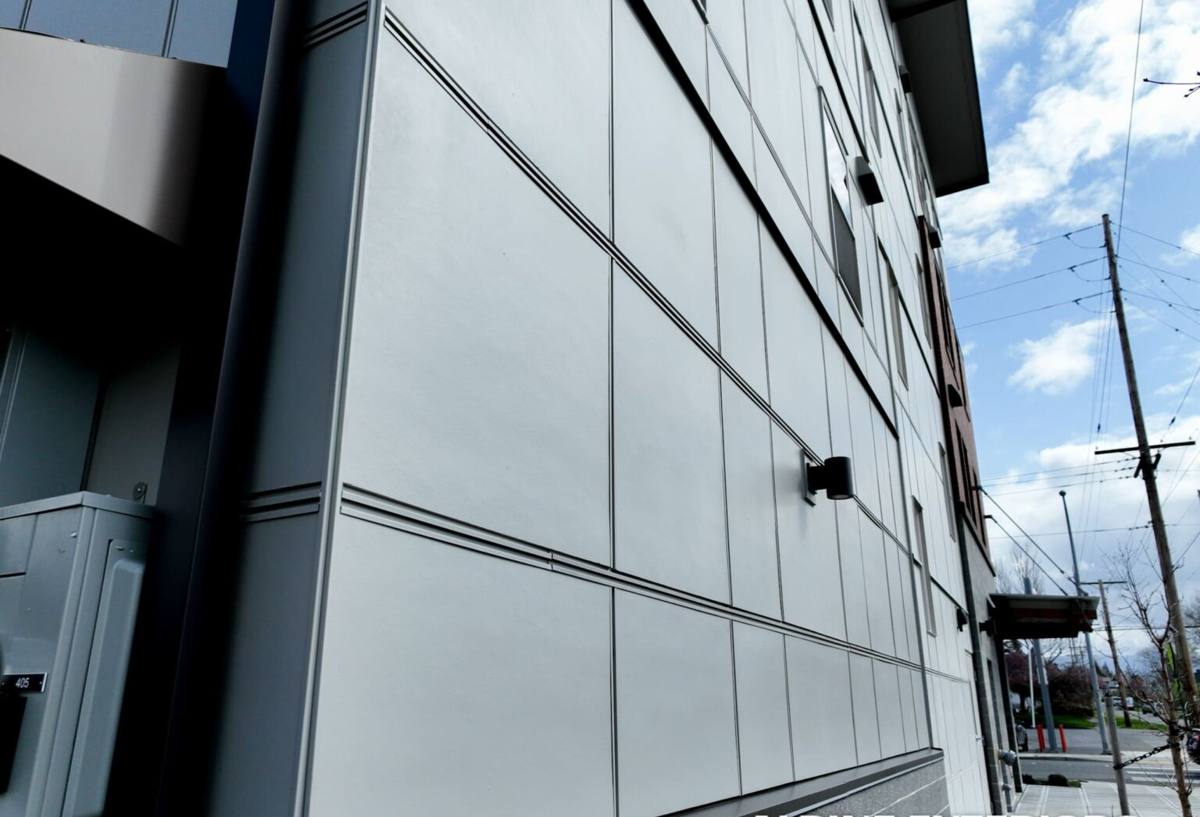
Signs a Deer Harbor Home Needs New Windows, Not Just a Repair
Waterfront and near-waterfront homes tend to show window failure differently than inland homes. Watch for these signs, especially on walls that face the harbor or catch prevailing wind and rain:
- Cloudy or fogged glass between the panes, meaning the seal on a double- or triple-pane unit has failed
- Corroded or pitted hardware — hinges, locks, and cranks that feel gritty or won't move smoothly
- Soft or discolored wood at the sill or lower frame corners, a sign moisture has been getting behind the trim
- Visible moss or dark streaking building up on the frame or sill faster than on the rest of the siding
- Drafts or a noticeable temperature difference near the window even when it's fully latched
- Difficulty opening, closing, or locking a window that used to operate smoothly
- Paint or finish that's failing on the frame well before it's failing on the surrounding trim
Any one of these can sometimes be addressed with a repair. But when you're seeing two or three of them on the same window, or on several windows on the same exposure, that's usually a sign the unit itself — not just a part of it — has reached the end of its useful life in this environment.
What a Correct Window Replacement Actually Involves
A window replacement is not just swapping an old sash for a new one. In a location like Deer Harbor, the quality of the installation matters as much as the quality of the window itself — arguably more, since a good window installed poorly will fail faster here than a modest window installed correctly.
Removing the Old Window Without Hidden Damage
Before a new window goes in, the old one has to come out cleanly, and that's the point where hidden problems usually surface. Wall framing, sheathing, and sill areas around older windows in wet coastal climates can have moisture damage that isn't visible from outside. A proper job means checking that framing as soon as the old unit is out, not covering up a soft or rotted sill with a new window and trim.
Flashing and Water Management
This is the step that determines whether a window lasts fifteen years or thirty in a place like Deer Harbor. Flashing tape, sill pans, and head flashing need to be installed in the correct order — sill first, sides next, top last — so that any water that does get past the exterior finish is directed back out, not trapped against the framing. Skipped or improperly lapped flashing is one of the most common causes of premature rot around windows in wet coastal climates, and it's invisible once the trim goes back on.
Insulation and Air Sealing
The gap between the new window frame and the rough opening needs to be sealed and insulated correctly — not stuffed too tight, not left with gaps. Done right, this cuts drafts and helps the window perform close to its rated efficiency. Done wrong, it creates a path for both air leaks and moisture intrusion.
Choosing Window Materials for a Marine Environment
There's no single "best" window material for every home — the right choice depends on the home's style, budget, and exact exposure to wind and salt air. Here's an honest comparison of the main options for a harbor-adjacent home:
| Material | Salt-Air Durability | Maintenance | Typical Lifespan |
|---|---|---|---|
| Vinyl | Good — won't corrode or rust | Low; occasional cleaning | 20–30 years |
| Fiberglass | Very good; stable in temperature swings and salt exposure | Low | 30–40 years |
| Wood with clad exterior | Good on the exterior face; wood core still needs protection | Moderate; watch seams and joints | 20–30 years with upkeep |
| Aluminum | Prone to corrosion and pitting near salt air over time | Higher; needs monitoring for corrosion | 15–25 years in this climate |
For homes with direct or near-direct harbor exposure, we generally steer customers toward vinyl or fiberglass because both resist the corrosion issues that show up on metal frames and hardware in salt air. Wood-clad windows can still be a great fit for homes where the look matters most, as long as the homeowner understands the exterior cladding and every seam need to stay well-sealed. We're upfront about that maintenance trade-off rather than letting a customer find out the hard way five years in.
Our Window Replacement Process
- On-site assessment. We look at each window's exposure, current condition, and any signs of moisture or framing damage before recommending anything.
- Honest scope and options. We walk through material and style options that fit the home and the budget, including trade-offs, not just the upsell.
- Scheduling around the weather. Window openings get sealed and closed up the same day whenever possible. On Orcas Island, that means planning installs around forecasted rain, not just convenience.
- Careful removal and framing check. Old units come out cleanly, and any soft sheathing or sill damage gets addressed before the new window goes in — not covered over.
- Proper flashing and sealing. Sill pan, side flashing, and head flashing go in the correct sequence, with air sealing and insulation around the frame done to spec.
- Finish work and cleanup. Trim, caulking, and touch-up paint or stain are completed, and the work area is cleaned before we leave.
- Final walkthrough. Every window is opened, closed, and locked with the homeowner present so any adjustment gets caught immediately.
What Affects the Cost
Every home is different, but the same handful of factors drive most of the cost variation we see on Deer Harbor window jobs:
| Factor | Why It Matters |
|---|---|
| Number and size of windows | More or larger openings mean more material and labor |
| Material choice | Vinyl, fiberglass, and wood-clad carry different unit costs |
| Extent of framing repair needed | Rot or moisture damage found during removal adds time and material |
| Access and logistics | Waterfront lots, steep sites, or limited staging space can add labor time |
| Window style | Custom shapes, large picture windows, or specialty glazing cost more than standard operable units |
We give a written, itemized estimate before any work starts, so a homeowner knows exactly what's driving the number — not just a lump sum.
Why It Matters to Hire a Crew That Already Works Deer Harbor
Deer Harbor is a small, close-knit part of Orcas Island, and getting materials, crews, and equipment out here takes real planning — ferry schedules, limited local suppliers, and driveways or waterfront sites that aren't always easy to stage a job on. A crew that regularly works San Juan County already accounts for that in scheduling and doesn't treat the trip out as an afterthought that causes delays or rushed work.
Just as important is knowing the climate firsthand. A contractor who's replaced windows all over the harbor has already seen which details actually hold up to years of salt air and driving rain versus which ones look fine on install day and fail in five years. That experience shows up in the small decisions — sealant choice, hardware selection, how tight to run a reveal — that a generic mainland installer wouldn't think twice about.
Keeping New Windows Performing for the Long Run
A correct installation does most of the work, but a little seasonal attention extends the life of any window on the island:
- Rinse salt residue off glass and frames a few times a year, especially after storms
- Clear moss and organic debris from sills and tracks before it holds moisture against the frame
- Check and re-caulk exterior joints if you notice any gaps opening up
- Operate each window a few times through the year so hardware doesn't seize up from disuse
- Watch for soft spots in exterior trim or sills, and address them early rather than waiting
- Keep gutters and downspouts clear so runoff isn't sheeting directly across window walls
None of this is difficult, but it's the kind of upkeep that's easy to skip on a vacation or seasonal property — which is exactly where we see the most preventable window damage on the island.
If your Deer Harbor home has windows showing their age, or you're planning ahead for a remodel, we're happy to take a look and give you a straightforward, no-pressure estimate. Use the form below to get in touch and we'll schedule a time to come out.