 Orcas Island Siding
 Board & Batten Siding on Lopez Island
Board and batten has been a fixture on San Juan County homes for generations, and it's easy to see why. The strong vertical lines suit farmhouses, waterfront cottages, and modern builds alike, and the deep shadow lines the battens create give a wall texture that flat lap siding just doesn't have. On Lopez Island specifically, that style has to hold up to conditions that are tougher on a wall assembly than they look: salt-laden air off the water, long stretches of driving rain, and a moss season that can run most of the year in the shaded, damp pockets common on the island.
We install board and batten siding across San Juan County, and Lopez Island is a regular part of that work. This page covers what the style actually needs to perform here, what a correct installation involves, and why the product choice behind the boards matters as much as the look.
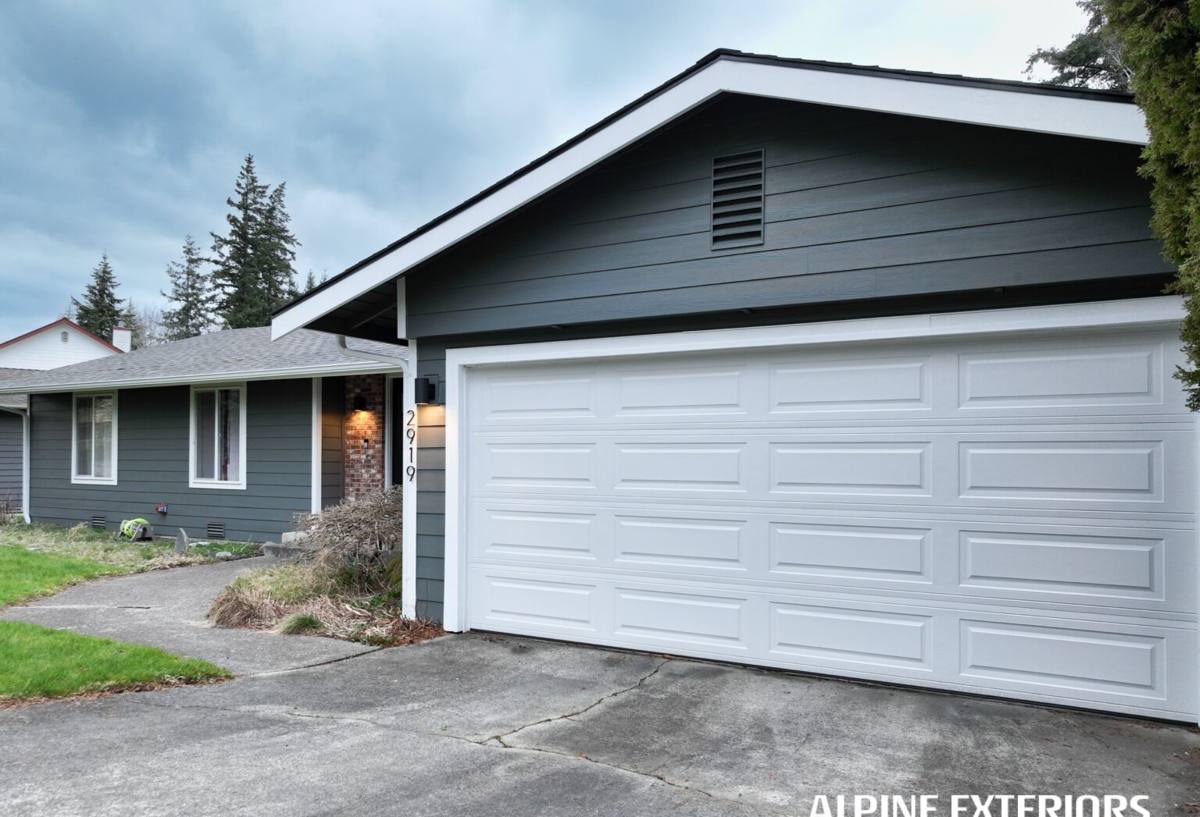
What Lopez Island's Climate Does to a Vertical Wall Assembly
Board and batten is more exposed to water than most people assume. The battens create dozens of extra vertical seams running down the wall, and every seam is a potential path for water to get behind the cladding if it isn't detailed correctly. Add in the specific stresses of this island and the margin for error gets even smaller.
Salt Air
Marine air carries fine salt that settles on siding, fasteners, and trim. Over years, that salt exposure accelerates corrosion on any fastener or flashing that isn't rated for it, and it can degrade paint and caulking faster than it would inland. Anything installed on Lopez Island needs to be chosen and detailed with that in mind, not just the mainland default.
Driving Rain
Storms off the water don't just fall straight down — wind-driven rain hits walls at an angle and gets pushed hard against vertical seams and butt joints. A board and batten wall without proper water management behind it can look fine for a season or two while moisture is already working its way into the sheathing.
Moss and Prolonged Dampness
Shaded, north-facing, and tree-lined walls on Lopez Island stay damp longer than open, sun-exposed walls. That extended dampness is exactly what moss and mildew need to establish, and it's harder on a siding material's finish and substrate than a quick soak followed by fast drying would be.
What a Correct Board & Batten Installation Actually Involves
The finished look of board and batten hides most of the work that determines whether it lasts. A siding job that looks identical from the curb can perform completely differently depending on what's underneath.
Water Management Behind the Cladding
Correct installation starts with a continuous weather-resistant barrier, properly lapped and sealed at every penetration, with flashing integrated at windows, doors, and any horizontal transition. On a marine site like Lopez Island, we favor a rainscreen gap — a small air space between the barrier and the siding — so that any moisture that does get past the cladding can drain and dry out instead of sitting against the sheathing.
Fastening and Batten Spacing
Battens need consistent spacing and fastening into solid framing or proper blocking, not just into the panel or sheathing. Fastener choice matters more here than in a dry inland climate — corrosion-resistant fasteners rated for coastal exposure are not optional on this island.
Trim, Corners, and Terminations
Every outside corner, inside corner, and termination point is a place water wants to get in. These details need to be flashed and sealed correctly, with enough clearance at the base of the wall and around any deck or porch attachment to keep the bottom edge of the siding from sitting in standing water or splashback.
Why We Install Only James Hardie for Board & Batten
We install James Hardie fiber cement exclusively — we don't install vinyl, engineered wood, primed spruce, or cedar board and batten. That's a deliberate standard, not a lack of options. Each of those alternatives has real strengths, but none of them holds up to Lopez Island's combination of salt air, driving rain, and sustained dampness as consistently as fiber cement does over the long run.
For board and batten specifically, we use James Hardie's vertical panel system paired with Hardie trim battens, finished with factory-applied ColorPlus Technology color. That factory finish matters more here than almost anywhere else in the state: it's baked on and cured under controlled conditions, so it resists fading and holds its bond far better than field-applied paint exposed to salt air and UV off the water. James Hardie also engineers its product lines by climate zone, so the boards specified for a marine, low-freeze region like San Juan County are formulated differently than the same product line sold in a hard-freeze climate — a detail that matters when the manufacturer stands behind the product with a transferable warranty.
Cost Factors Compared
| Factor | Vinyl Board & Batten | Engineered Wood | Cedar | James Hardie Fiber Cement |
|---|---|---|---|---|
| Upfront material cost | Lowest | Low-mid | Highest | Mid-high |
| Salt air / coastal durability | Can warp or fade | Vulnerable if moisture gets in | Needs regular sealing | Non-combustible, engineered for climate |
| Repainting needed | Never (limited color options) | Every 5-10 years | Every 3-7 years | Rarely, with factory ColorPlus finish |
| Moss/mildew resistance | Surface growth, doesn't rot | Can trap moisture and rot if compromised | Prone to moss and rot if not maintained | Resists moisture damage to substrate |
| Typical manufacturer warranty | Prorated, product-only | Varies, often shorter | Rarely warrantied | Long-term, transferable |
None of this means the other products are junk — vinyl is inexpensive and low-maintenance in mild climates, cedar has real natural character, and engineered wood installs quickly. But for a wall that has to face Lopez Island's weather for decades with minimal upkeep, fiber cement is the standard we're willing to put our name behind.
Our Process, From Estimate to Finished Wall
- On-site assessment — we look at your current siding condition, wall orientation relative to prevailing weather, and any moisture or moss issues already visible.
- Detailed proposal — panel layout, batten spacing, trim details, and color selection, with a clear scope so there are no surprises once work starts.
- Material staging — because everything for an island job has to be planned around ferry schedules, we order and stage materials early so a weather delay doesn't turn into a materials delay too.
- Tear-off and prep — removal of old siding where needed, sheathing repair if we find rot or damage underneath, and installation of the weather barrier and rainscreen.
- Panel and batten installation — installed to James Hardie's fastening and clearance specifications, not shortcuts that only hold up in drier climates.
- Trim, caulking, and final inspection — every seam and termination checked before we call the job done.
What to Look For Before You Hire
- A written scope that specifies weather barrier, rainscreen or ventilation approach, and fastener type — not just "siding installed"
- Manufacturer certification or documented experience specifically with James Hardie products
- A clear plan for how they handle island logistics — ferry-dependent material delivery and scheduling around weather windows
- Willingness to show you how they'll flash windows, doors, and corners before work begins, not after you ask
- A warranty that covers workmanship separately from the manufacturer's product warranty
Maintenance in a Salt Air, Moss-Prone Environment
Even with the right product installed correctly, board and batten siding on Lopez Island benefits from a little seasonal attention. Rinsing salt residue off the siding periodically, especially on walls facing open water, keeps it from building up around trim and battens. Trimming back vegetation and tree cover that keeps a wall shaded and damp longer than necessary helps limit moss growth. Checking caulking at trim and corners every year or two — and having it touched up before a small gap becomes a path for water — is the single most cost-effective thing a homeowner can do to protect the investment.
Why a Crew That Already Works Lopez Island Matters
Siding work on the San Juan Islands isn't the same logistical exercise as a mainland job. Material deliveries, crew scheduling, and even simple things like coordinating a return trip for a warranty check all depend on ferry schedules and weather windows that a crew unfamiliar with the islands will underestimate. A contractor who already works Lopez Island regularly has that built into how they quote, staff, and schedule the job — which means fewer delays and fewer surprises for you. It also means we've seen firsthand how local wall orientations, tree cover, and exposure to the water affect how siding ages here, and we bring that into how we detail every job, not just the sales pitch.
If you're planning a board and batten project on Lopez Island, we're happy to walk the property, look at your current siding, and put together a straightforward, no-pressure estimate using the form below.