 Orcas Island Siding
 Roof Repair for Cascade Lake Homes
Cascade Lake sits inland from the saltwater shoreline, but that doesn't spare the roofs around it from the same weather pattern that wears down every roof on Orcas Island: long wet winters, heavy tree cover, and a moss season that can run eight months or more. Add in the elevation changes around the lake basin, which trap moisture and slow drying time after a storm, and you get roofs that age differently than a roof in a drier, more open part of San Juan County.
We do roof repair work around Cascade Lake regularly, and the calls we get here tend to follow a pattern: moss-driven shingle damage, clogged valleys from overhanging fir and cedar, and flashing that's failed at a chimney, skylight, or dormer after years of freeze-thaw and constant dampness. This page covers what that looks like in practice, what a correct repair involves, and how we approach the work.
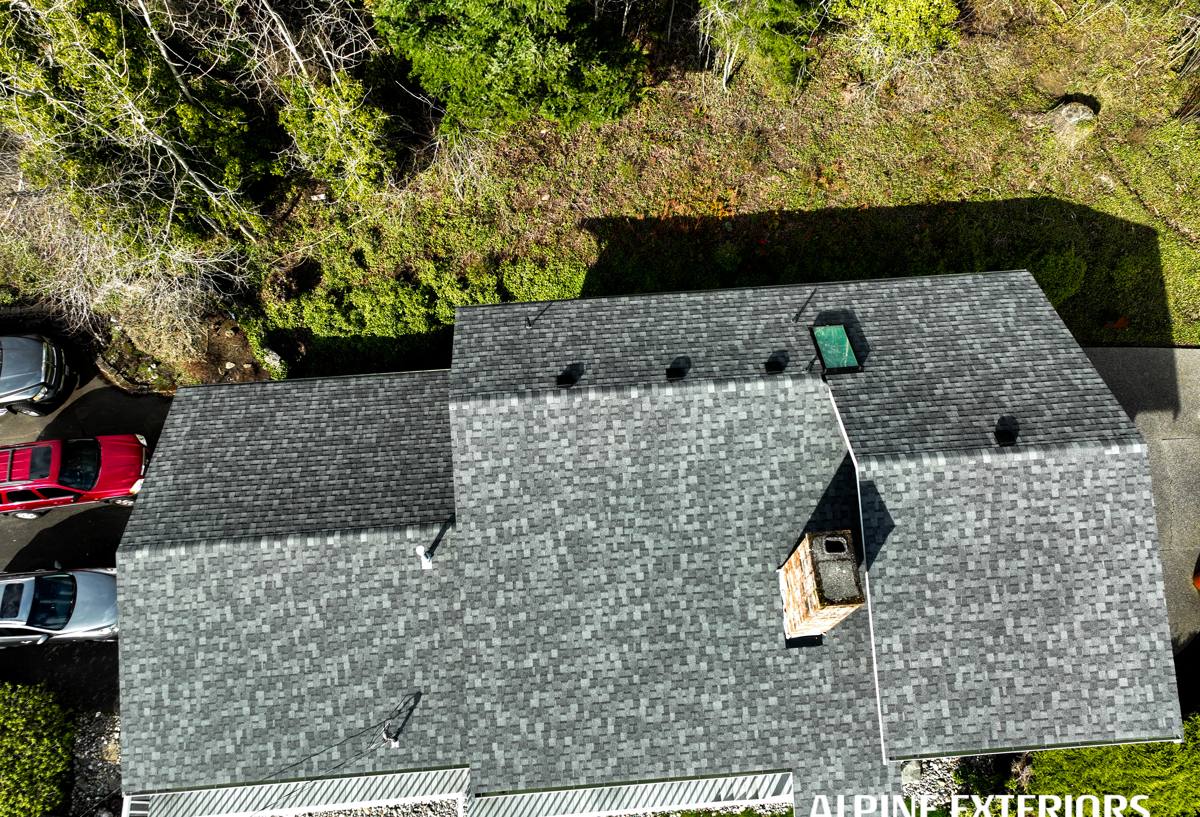
What the Local Climate Does to a Roof Here
Three things drive most of the repair calls we get in this part of Orcas Island, and Cascade Lake gets a concentrated dose of all three.
Driving Rain and Wind-Driven Water
San Juan County storms often come in sideways off the water, and even at Cascade Lake's inland position, wind still pushes rain up under shingle tabs, around flashing edges, and into any gap that a roof in a calmer climate could get away with ignoring. Once water finds a path under the roofing material, it travels — sometimes showing up as a stain on a ceiling several feet from where the actual entry point is.
Moss and Organic Growth
The tree cover around Cascade Lake keeps roofs shaded and damp longer than roofs out in the open, which is exactly what moss needs to take hold. Moss doesn't just look bad — it holds moisture against the roofing surface, lifts shingle edges as it grows, and works its way into fastener holes and seams over time. A roof that looks "mossy but fine" from the ground is often further along in damage than it appears.
Salt Air and Metal Fatigue
Even set back from the shoreline, this part of the island gets enough salt-laden air to accelerate corrosion on exposed metal — flashing, fasteners, gutters, and any exposed roofing hardware. Corroded flashing is one of the most common failure points we find during a repair inspection, and it's often the actual source of a leak that homeowners assumed was a shingle problem.
Common Roof Repair Needs We See Around Cascade Lake
- Moss buildup along north-facing slopes and shaded valleys that's lifted or cracked shingles underneath
- Clogged or overflowing valleys from needle and leaf debris, leading to water backing up under roofing material
- Flashing failure around chimneys, skylights, and roof-to-wall transitions
- Nail pops and fastener corrosion from repeated wet-dry cycling
- Soft spots or sagging decking from long-term moisture intrusion that wasn't caught early
- Gutter and downspout issues that redirect water back onto the roof edge or fascia
What a Correct Repair Actually Involves
A roof repair that actually holds up on Orcas Island isn't just patching the spot where water is currently showing up inside the house. Because of how moss and wind-driven rain travel under roofing material here, the visible leak point and the actual entry point are often not the same location. A repair done right starts with tracing the water back to its real source, not just covering the symptom.
That means checking flashing condition at every penetration near the damaged area, not just the one that looks obviously rusted. It means pulling back shingles far enough to see whether the underlayment and decking underneath are still sound, rather than just replacing the surface layer. And it means matching materials — shingle profile, flashing metal, fastener type — so the repair doesn't become the next weak point in a year or two.
Signs the Repair Needs to Go Deeper Than the Surface
- Decking that flexes or feels soft underfoot near the repair area
- Staining or discoloration on the underlayment when shingles are pulled back
- Rust streaking below flashing joints or fastener heads
- Interior ceiling stains that don't line up directly under the visible roof damage
Our Repair Process
- Inspection first. We walk the roof (or use a ladder-and-binoculars approach on steeper pitches) and check flashing, valleys, moss coverage, and decking condition — not just the spot the homeowner flagged.
- Honest diagnosis. We explain what we found, what's causing it, and whether it's a straightforward repair or something that points toward a larger issue. If it's a small fix, we say so.
- Moss and debris removal. Before any repair work starts, we clear moss and organic buildup from the work area so we're repairing a clean, dry surface — not sealing moisture in.
- Repair the actual source. We fix flashing, replace damaged shingles or decking, and reseal penetrations using materials matched to what's already on the roof wherever possible.
- Check the surrounding area. A roof that's failed in one spot from age or exposure often has other areas close behind it. We flag anything else worth watching so it's not a surprise next winter.
Repair vs. Replacement — How to Tell Which You Need
| Situation | Repair Usually Makes Sense | Replacement Worth Considering |
|---|---|---|
| Roof age | Under 15-20 years, single problem area | Nearing or past expected material lifespan |
| Damage pattern | Isolated to flashing, one valley, or a small shingle section | Widespread moss damage or multiple failure points |
| Decking condition | Solid, no soft spots found | Soft, stained, or spongy decking in more than one area |
| Leak history | First occurrence or isolated incident | Recurring leaks in different spots each season |
Most calls we get around Cascade Lake are legitimate repair situations. Full replacement only becomes the honest recommendation when the damage is spread across the roof or the decking underneath has been compromised for a while.
What Affects Repair Cost
| Factor | Why It Matters |
|---|---|
| Roof pitch and access | Steeper roofs and limited access around wooded lake-area lots take longer and require more setup |
| Extent of moss and debris | Heavier buildup means more prep time before the actual repair can start |
| Flashing material | Metal type and condition affect whether it can be resealed or needs full replacement |
| Decking damage | If water has reached the decking, that adds material and labor beyond a surface-level fix |
| Material matching | Matching existing shingle color or profile can affect sourcing time on an older roof |
Straightforward flashing or shingle-section repairs are typically a modest, single-visit cost. Repairs involving decking replacement or extensive moss remediation cost more because of the added labor and material. We give a firm number after the inspection, not a guess over the phone.
Why a Local Cascade Lake Crew Matters
Roofing crews that don't work this area regularly tend to underestimate two things: how much tree cover changes drying time and moss growth, and how much travel and scheduling on an island affects how fast a repair actually gets done. A leak doesn't wait for a ferry schedule.
Working this part of San Juan County regularly means we know what a Cascade Lake roof looks like at 5 years versus 15 years under this canopy and this rainfall, and we're not guessing at material behavior in salt air and heavy shade — we've seen how it plays out on roofs nearby. That matters when the diagnosis calls for judgment, not just a checklist.
Simple Maintenance That Extends the Life of a Repair
- Clear moss and debris from valleys and shaded slopes at least once a year, ideally before the fall rains start
- Keep overhanging branches trimmed back to reduce shade and needle drop onto the roof
- Check flashing and sealant around chimneys and skylights annually for cracking or gaps
- Make sure gutters and downspouts are clear so water isn't backing up at the roof edge
- Address small leaks or stains as soon as they appear rather than waiting for the next dry season
None of this replaces a proper repair when there's real damage, but it's the difference between a repair that lasts and one that reopens in a year or two.
Get a Straightforward Estimate
If you've got a leak, moss buildup, or a roof that's due for a look around Cascade Lake, we're happy to come take a look and give you an honest read on what it needs — no pressure, no upsell. Use the form below to request a free estimate.