 Orcas Island Siding
 Roofing in Crow Valley: What the Local Climate Actually Demands
Crow Valley sits inland from Orcas Island's shoreline, but "inland" on a San Juan County island doesn't mean sheltered. The same marine air that moves across the water reaches the valley on the wind, carrying salt that settles on metal fasteners, flashing, and any exposed hardware over time. Add San Juan County's long wet season, driving rain that comes in sideways during winter storms, and the heavy tree cover that shades much of the valley, and you've got a roofing environment that punishes shortcuts. A roof built for a dry inland climate somewhere else will not hold up the same way here.
New roof installation in this area isn't just about swapping old shingles for new ones. It's about choosing materials, fasteners, and underlayment systems that are rated for coastal exposure, installing them with detailing that sheds water fast, and accounting for the shade and moss growth that comes with living among the valley's trees and open pastureland.
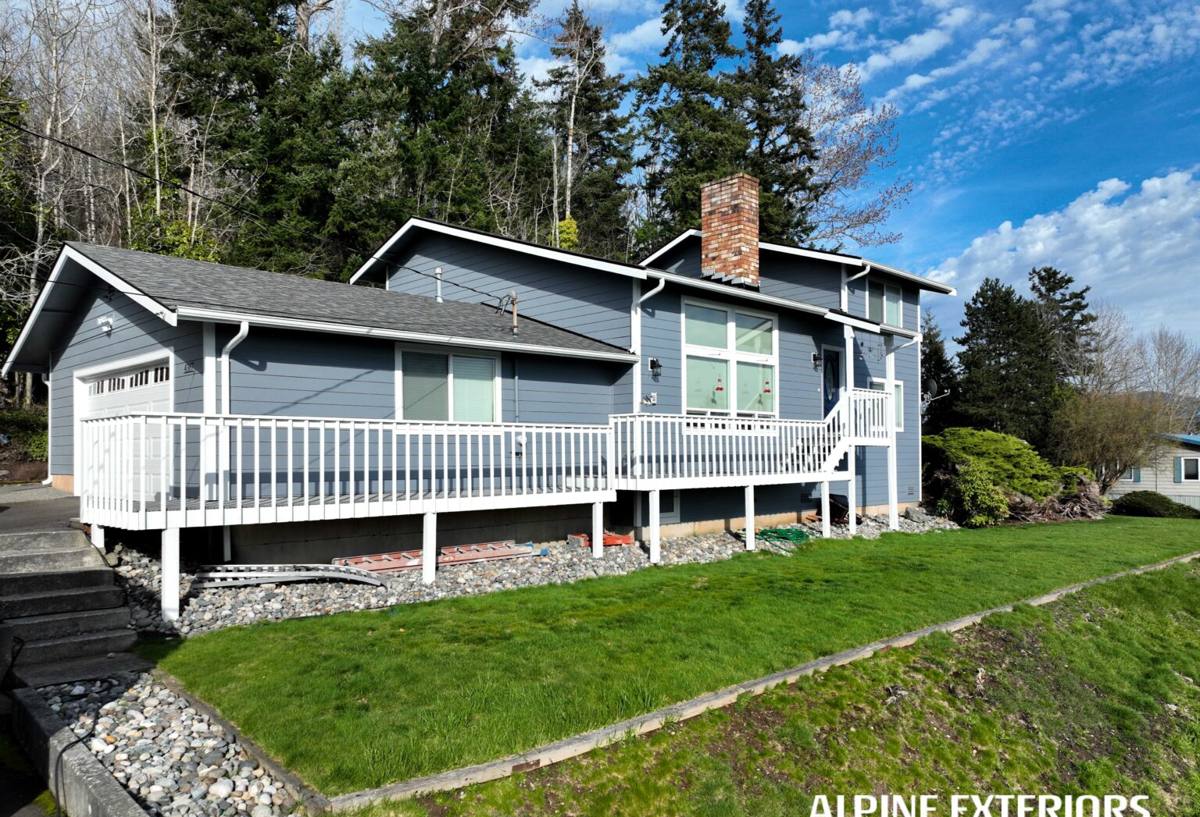
Why Crow Valley Homes Wear Out Roofs Differently Than Other Parts of the Island
Every property on Orcas Island deals with the same general marine climate, but Crow Valley's mix of tree-lined lots and open farmland creates its own wear pattern:
- Shaded roof sections stay damp longer. Homes tucked under fir and cedar cover hold moisture on the north- and east-facing slopes well after the rest of the roof has dried out, which is exactly where moss and moisture-related decay show up first.
- Open, exposed lots take the wind and rain head-on. Where the valley opens up, roofs get the full force of Pacific storm systems moving through — that means more stress on ridge caps, ventilation components, and edge flashing.
- Salt-laden air corrodes metal gradually, not suddenly. You won't see it happen. You'll notice it years later as rust bleeding through paint on flashing, streaking near fasteners, or a valley that starts leaking where metal has quietly deteriorated.
- Debris load is heavier under tree cover. Needles and leaf litter collect in valleys and behind chimneys, holding water against the roof surface and accelerating everything above.
None of this is unusual for the island — it's simply what a correctly installed roof here has to be built to handle.
Moss: The Slow-Motion Problem Most Homeowners Underestimate
Moss doesn't just sit on top of a roof looking untidy. Its root structure holds moisture directly against the roofing surface, and over a long wet season that moisture works its way under shingle edges, into fastener penetrations, and eventually into the decking below. On shaded Crow Valley roofs, moss can take hold within a few seasons if the roof system wasn't designed with airflow and drainage in mind. A new roof installation is the right time to address this at the source — proper ventilation, the right underlayment, and material choices that resist moss growth longer than others.
Signs a Crow Valley Roof Has Reached the End of Its Service Life
Roofs rarely fail all at once. They give warning signs first. If you're seeing any of the following, it's worth having the roof evaluated before a small problem becomes a decking or framing repair:
- Granule loss showing up in gutters, or shingles that look bald in patches
- Curling, cracking, or lifted shingle edges, especially on shaded slopes
- Moss or dark algae streaking that keeps coming back after cleaning
- Rust staining or visible corrosion around flashing, vents, or valleys
- Daylight visible through the roof deck from inside the attic
- Soft or spongy spots underfoot when walking the roof for inspection
- Interior water stains on ceilings, especially after heavy winter storms
- A roof that's simply reaching or past the manufacturer's rated service life
Any one of these on its own might just mean a repair. Several together, or a roof that's already 20-plus years old, usually means it's time to talk about full replacement rather than chasing leaks.
What a Correct New Roof Installation Actually Involves
A roof is a system, not a single layer of material. Doing it right in a climate like this means every layer is chosen and installed with moisture and wind in mind:
Tear-Off and Deck Inspection
We remove the existing roofing down to the deck rather than layering over it. This is the only way to actually see the plywood or plank decking underneath — which, on an older Crow Valley home, may have hidden moisture damage from years of slow leaks that a surface-level look would never catch. Any soft or deteriorated decking gets replaced before anything new goes down.
Underlayment and Ice/Water Protection
Given how much driving rain this area sees, we don't treat underlayment as an afterthought. Synthetic underlayment and self-adhering ice-and-water membrane at eaves, valleys, and roof penetrations give the system a second line of defense if wind-driven rain ever gets past the primary roofing material.
Flashing and Metal Work
Flashing around chimneys, skylights, dormers, and roof-to-wall transitions is where most leaks actually start — not in the field of the roof. We use corrosion-resistant metal and detail every transition to shed water rather than rely on sealant alone, since salt air will break down cheap sealant-only fixes long before the rest of the roof shows its age.
Ventilation
Proper intake and exhaust ventilation keeps moisture from building up in the attic space, which matters twice over here: it protects the decking from the inside, and it helps roofing materials shed moisture instead of trapping it — one of the best long-term defenses against moss.
Our Roof Installation Process
- On-site evaluation. We walk the roof, check the attic space, and look at drainage, tree cover, and exposure specific to your property.
- Written estimate. You get a clear breakdown of materials, scope, and cost before any work is scheduled — no surprise add-ons once we're on the roof.
- Material selection. We walk through the options that make sense for your home's exposure, budget, and how much shade or wind it deals with.
- Scheduling around the weather. Roofing work has to work with the island's weather windows, not against them. We plan installation for stretches of dry weather whenever the forecast allows.
- Tear-off, deck repair, and installation. Full removal of the old roof, deck inspection and repair as needed, then installation of underlayment, flashing, ventilation, and the new roofing material.
- Final walkthrough. We review the finished roof with you, including how to spot early signs of moss or wear so small issues get caught early going forward.
Material Options and Cost Factors
There's no single "best" roofing material for every Crow Valley home — the right choice depends on how much shade and wind exposure your property gets, and what you want out of maintenance and lifespan.
| Material | Typical Lifespan | How It Handles This Climate |
|---|---|---|
| Architectural asphalt shingle | 25–30 years | Good value; needs solid ventilation and periodic moss treatment on shaded slopes |
| Standing seam metal | 40–50+ years | Sheds moss and water very well; requires marine-grade fasteners and coatings to resist salt air corrosion long-term |
| Synthetic composite shingle | 30–50 years | Resists moisture absorption better than wood or standard asphalt; good option for heavily shaded lots |
| Cedar shake | 20–30 years with upkeep | Fits the island aesthetic well, but needs consistent maintenance to manage moss and moisture in a wet, shaded climate |
Beyond the material itself, cost is driven by roof size and pitch, how much of the deck needs replacing once we open it up, the complexity of valleys and penetrations, and access — some Crow Valley lots are easier to stage equipment on than others. We'll walk you through all of that in your written estimate, not after the tear-off has already started.
Moss and Long-Term Roof Care After Installation
A new roof done right will resist moss far longer than an aging one, but no roof in this climate is maintenance-free forever. A few habits go a long way:
- Keep gutters and valleys clear of needles and leaf litter, especially heading into the wet season
- Have overhanging branches trimmed back where practical to reduce shade and debris on the roof
- Schedule a periodic roof check rather than waiting for a visible leak
- Address small moss patches early, before they spread across a full slope
- Have flashing and sealant points checked every few years, since these wear before the field material does
Why It Matters to Hire a Crew That Already Works in Crow Valley
Roofing crews who mainly work drier, more sheltered climates often don't build in the same margins for wind-driven rain, salt exposure, and moss that a San Juan County roof needs. A crew that already works Crow Valley knows which slopes on a given property will stay shaded and damp longest, which materials actually hold up to years of marine air rather than just looking good on installation day, and how to schedule and stage a project around this area's weather windows. That local experience shows up in the small details — flashing choices, fastener grade, ventilation layout — that determine whether a roof lasts fifteen years or forty.
If your roof is showing its age, or you'd simply like an honest opinion on what condition it's in, we're happy to take a look. Reach out for a free, no-pressure estimate using the form below — we'll walk the roof, answer your questions, and give you a straight assessment of what your Crow Valley home actually needs.