 Orcas Island Siding
 Windows Take a Beating in Doe Bay
Doe Bay sits right up against the water on the east side of Orcas Island, and that location is exactly why windows here fail faster than they would twenty miles inland. Salt-laden air corrodes hardware and finishes. Wind-driven rain off the water finds every gap in old flashing and trim. And the long, wet moss season that settles over San Juan County keeps wood surfaces damp for weeks at a stretch, which is hard on anything that isn't detailed correctly the first time.
None of that means windows here are doomed — it means the installation has to account for conditions a lot of manufacturers' standard instructions weren't written for. That's the difference between a window that looks fine for a season and one that actually holds up on this coast.
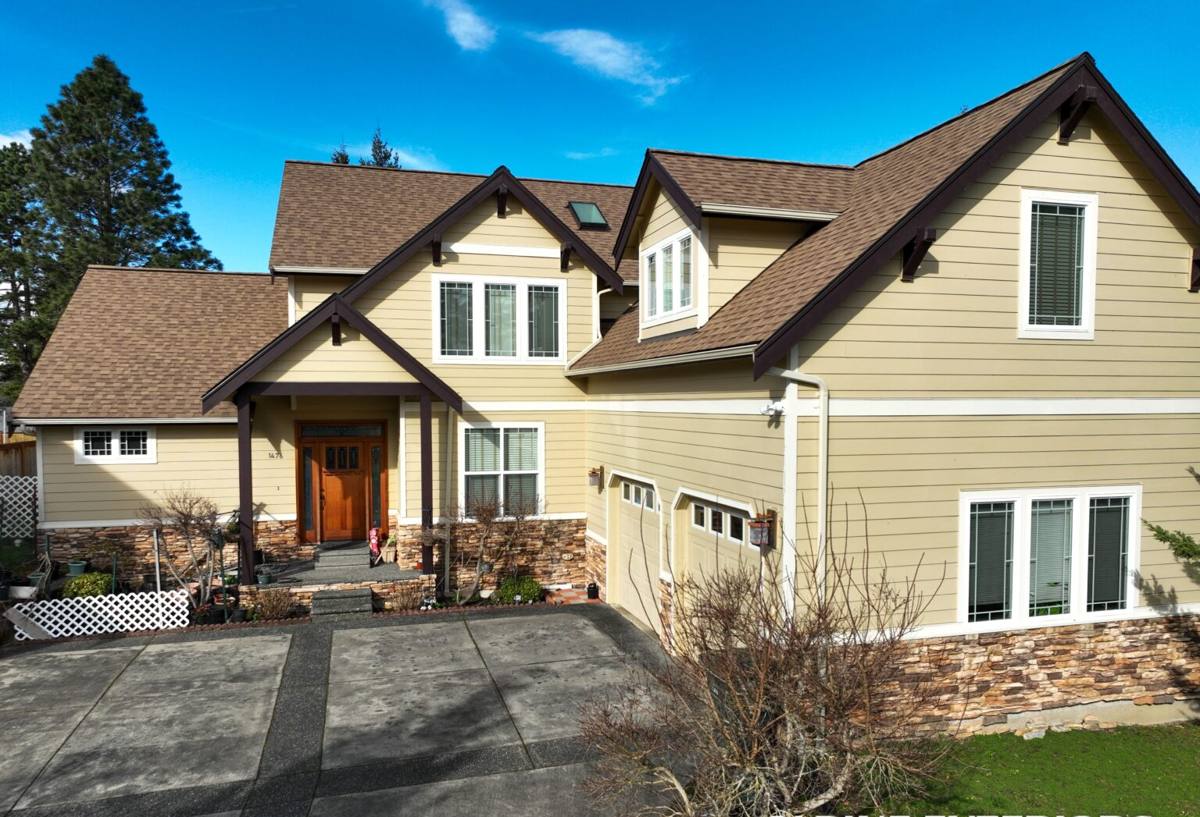
What Doe Bay's Climate Actually Does to a Window
Salt Air and Corrosion
Airborne salt attacks unprotected metal — hinges, cranks, screws, and cheap cladding fasteners — well before the glass or frame shows any wear. Once corrosion starts on a hardware component, it's usually a replacement, not a repair, because the metal pits and the moving parts seize or fail to seal properly.
Driving Rain and Wind Pressure
Storms coming off the water don't just drop rain straight down — they push it sideways, under sills and around trim that would stay dry in a calmer climate. A window that's a quarter-inch out of level, or flashed with a shortcut instead of a proper sequence, will eventually let that wind-driven rain in, even if it looks tight from the outside.
Moss Season and Sustained Moisture
The wet stretch that blankets Orcas Island for months at a time keeps exterior wood and trim damp longer than drier regions ever experience. Any wood component near the window opening — trim, sills, sheathing — needs to be sealed and detailed to shed water fast, because standing moisture during moss season is what eventually leads to soft wood and hidden rot behind the frame.
Signs a Window Is Losing the Fight
- Cranks, locks, or hinges that feel gritty, stiff, or corroded
- Soft or discolored trim and sill wood around the frame
- Fogging or moisture between panes on double- or triple-glazed units
- Drafts or a whistling sound during wind events
- Visible daylight or gaps at the frame-to-wall joint
- Paint or finish failing faster on window-facing walls than elsewhere on the house
Any one of these on its own might just mean a repair. Several together usually mean the window and its flashing have been letting moisture in for a while, and it's worth having someone look at what's happening behind the trim, not just at the glass.
What Correct Installation Actually Involves
A window installation is only as good as the parts nobody sees once the trim goes back on. On a coastal property like Doe Bay, we treat these steps as non-negotiable:
Opening Prep
Before a new window goes in, we check the rough opening for square, level, and soundness. If there's existing water damage or soft sheathing from a prior leak, that gets addressed first — installing a new window into a compromised opening just locks the problem behind new trim.
Flashing Sequence
Flashing has to be layered correctly — sill pan first, then side flashing, then head flashing — so that any water that does get past the exterior finish is directed back out, not into the wall cavity. This sequence matters more here than in a drier climate, because wind-driven rain tests it far more often.
Sealant and Fasteners
We use sealants and fasteners rated for coastal, high-moisture exposure rather than standard interior-grade products. Cheaper hardware corrodes and cheaper sealant hardens and cracks well before its rated lifespan in salt air conditions.
Insulation and Air Sealing
The gap between the window frame and the rough opening gets properly insulated and air-sealed — not just stuffed with fiberglass — so the window performs the way it's rated to, and so condensation doesn't form inside the wall cavity during the colder, wetter months.
Our Process for a Doe Bay Job
- On-site assessment — we look at the existing windows, the surrounding trim and siding, and any signs of past water intrusion before quoting anything.
- Honest scope — if a window can be properly repaired instead of replaced, we'll say so. If the opening needs repair work before a new window goes in, that gets called out up front, not discovered mid-job.
- Material selection — we walk through frame material, glazing, and hardware options suited to salt air exposure and your budget.
- Installation — full removal of the old unit, opening inspection and repair as needed, correct flashing sequence, and careful air sealing.
- Finish and cleanup — trim, caulking, and a final check of operation (locks, cranks, smooth open-and-close) before we call it done.
Choosing Materials for This Coast
There isn't one "correct" window material for every home — it depends on your budget, your home's style, and how much maintenance you want to take on. Here's how the common options hold up specifically against salt air, driving rain, and sustained damp:
| Frame Material | Salt Air Behavior | Maintenance |
|---|---|---|
| Vinyl | Doesn't corrode; UV and salt exposure can affect finish over many years | Low — occasional cleaning |
| Fiberglass | Very stable in salt air and temperature swings; dimensionally stronger than vinyl | Low |
| Aluminum-clad wood | Cladding protects the wood if fully sealed; any breach in the cladding lets moisture reach wood beneath | Moderate — cladding seams need periodic checking |
| Bare wood | Attractive but most vulnerable to sustained moisture and salt exposure without diligent upkeep | High — regular refinishing needed |
We're honest about trade-offs rather than pushing one product. Wood-clad windows can look great and perform well, but they demand more upkeep on a property exposed to salt air and moss-season dampness — that's a maintenance conversation, not a knock on the material. Whatever frame you choose, we always spec hardware and glazing seals rated for coastal exposure.
Glass and Glazing Considerations
Low-E coatings and argon- or krypton-filled sealed units help with energy performance year-round, but on a coastal property the glazing seal itself matters as much as the coating — a failed seal shows up as fogging between panes, and salt air combined with temperature swings can shorten seal life on lower-quality units. We spec glazing packages built for the exposure, not just the energy code minimum.
Cost Factors
Every project is different, but the main things that move the price on a Doe Bay window job are:
| Factor | Why It Matters |
|---|---|
| Number and size of windows | Larger units and multi-window jobs affect material and labor cost |
| Frame material | Vinyl, fiberglass, and clad-wood options carry different price points |
| Opening condition | Rot or water damage found during removal adds repair scope |
| Access and site logistics | Upper-story or hard-to-reach openings take more time and equipment |
| Trim and finish work | Matching existing exterior trim profiles adds labor |
We give a written scope before work starts so you know what's included, and we flag anything found mid-job — like hidden rot — before proceeding, not after.
Maintenance That Actually Extends Window Life Here
- Rinse salt residue off frames and hardware a few times a year, especially after storms
- Keep moss and debris cleared from sills and surrounding trim so water doesn't pool
- Lubricate cranks and hinges periodically to prevent salt-related seizing
- Check caulk lines annually and re-seal any that have cracked or pulled away
- Watch for soft spots in exterior trim during moss season, when moisture sits longest
Why a Crew That Already Works Doe Bay Matters
Working on Orcas Island isn't the same as working on the mainland — materials, crew, and equipment often have to come over by ferry, which means scheduling and logistics take real planning. A crew that already works this island knows how to plan around that, how San Juan County's coastal exposure actually behaves on a jobsite, and what installation details hold up here versus what only holds up in a drier, calmer climate. That local familiarity shows up in fewer surprises and a job that's planned right the first time, not figured out on the fly.
If your Doe Bay home has windows showing their age — or you're planning ahead before the next wet season sets in — we're happy to take a look and give you a straightforward, no-pressure estimate using the form below.