 Orcas Island Siding
 Fiber Cement Siding Built for Deer Harbor's Marine Climate
Deer Harbor sits right on the water on the west side of Orcas Island, and that location shapes everything about how siding performs there. Homes here take on salt-laden air off the harbor, wind-driven rain that finds every gap in a poor installation, and long stretches of shade and dampness under the fir and cedar canopy that keeps moss and algae going nearly year-round. Siding that works fine on a dry inland lot in eastern Washington can fail early out here. We install James Hardie fiber cement siding on Deer Harbor homes because it is engineered to handle exactly this kind of exposure, and because we know how to detail it correctly for a marine, moisture-heavy site.
This page covers what Deer Harbor homes specifically need from their siding, what a correct fiber cement installation involves, and how our process works from first look to final walk-through.
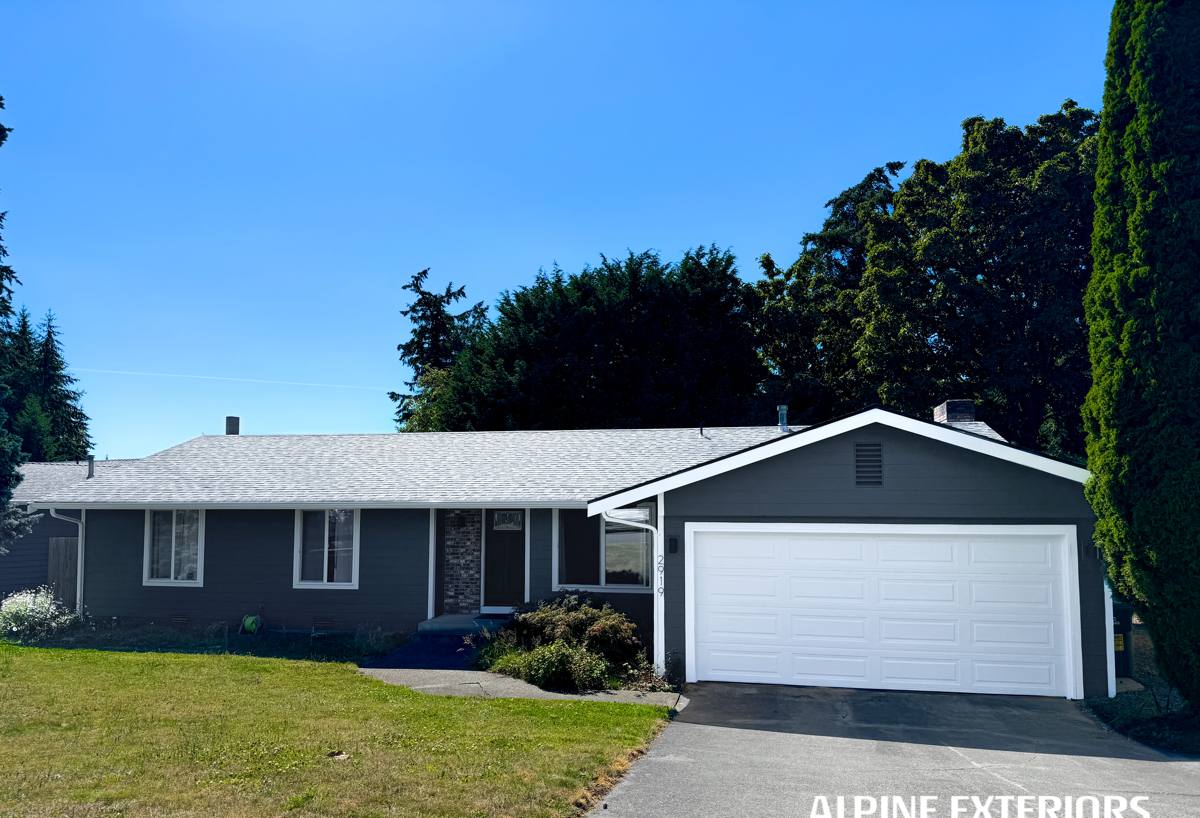
Why Deer Harbor's Climate Is Hard on Siding
Salt Air and Corrosion
Waterfront and near-waterfront properties around the harbor deal with airborne salt that accelerates corrosion on fasteners, flashing, and any exposed metal trim. Cheap or mismatched hardware on a siding job shows up as rust streaks and failed fasteners years before the siding itself would otherwise need attention. Material choice and hardware choice both matter here — not just the siding panel.
Driving Rain and Wind Exposure
San Juan County storms often come with sideways rain, and Deer Harbor's exposure to the water can mean gusts that push moisture up under laps and around openings. Siding that relies on face-sealing (caulk and paint alone) to keep water out will eventually let water behind the cladding. The assembly behind the siding — the water-resistive barrier, flashing, and drainage path — has to do the real work of keeping the wall dry.
Moss, Algae, and Shade
Much of Orcas Island sits under heavy tree cover, and Deer Harbor is no exception. Shaded north and west walls stay damp longer after rain, which is exactly the environment moss and algae need to take hold. Siding with a factory finish that resists moisture absorption holds up far better here than a field-painted product that lets water soak into the substrate at every joint and cut edge.
Why We Install Only James Hardie Fiber Cement
We standardized on James Hardie for every siding job we do, including here in Deer Harbor, because it is the product we trust to actually perform in this climate over the long term. Hardie fiber cement is non-combustible, dimensionally stable in wet-dry cycling, and available in HZ5 formulations engineered for wetter, harsher climates like the Pacific Northwest. The ColorPlus factory finish is baked on under controlled conditions, which gives it better fade and moisture resistance than field-applied paint — a real advantage on shaded, damp walls that never fully dry out between rains.
We don't install LP SmartSide, vinyl, Cemplank, Allura, or unfinished wood siding. Each of those has legitimate uses, but none of them is what we'd choose to put on our own home a hundred yards from saltwater with a moss problem, so we don't put them on yours. Hardie's combination of moisture performance, factory finish, and a strong transferable warranty is why it's the only product we stand behind.
How Hardie Compares to Common Alternatives in This Climate
| Factor | James Hardie Fiber Cement | Vinyl | Engineered Wood (LP-type) |
|---|---|---|---|
| Moisture absorption | Very low; cement-based, HZ5 formulated for wet climates | Won't absorb, but can warp/buckle and gap at seams | Wood-fiber core is vulnerable if edges or cuts aren't sealed |
| Salt air / corrosion resistance | Panel itself is inert; proper stainless/coated fasteners needed | Panel inert, but hardware and trim still corrode | Panel and exposed fasteners both at risk |
| Moss/algae resistance on shaded walls | Factory finish resists staining and buildup better than field paint | Resists moss growth on the surface but seams trap debris | Absorbent substrate is more prone to moss taking hold at seams |
| Fire resistance | Non-combustible | Combustible, can melt/deform | Combustible |
| Finish longevity | ColorPlus factory finish, long repaint intervals | Color molded in, can fade/chalk | Field-painted, needs more frequent repainting |
What a Correct Installation Looks Like Here
The siding panel is only part of the job. On a Deer Harbor home, the details around it decide whether the wall stays dry for the next thirty years or starts showing problems in five.
- Water-resistive barrier and drainage plane: A properly lapped and taped WRB behind the siding, with a drainage gap where conditions call for it, so any water that gets past the cladding has somewhere to go instead of sitting against the sheathing.
- Flashing at every penetration: Windows, doors, vents, and hose bibs all need correctly lapped flashing — this is where most real-world leaks start, not through the siding panel itself.
- Corrosion-resistant fasteners: Given the salt exposure around the harbor, we use fasteners rated for the environment rather than whatever is cheapest, and we follow Hardie's fastening specs for exposure and wind zone.
- Correct clearances: Proper gaps at grade, roof lines, and decks so the bottom edge of the siding isn't sitting in standing water or snow load.
- Factory-cut edges sealed: Any field cuts get properly sealed per Hardie's installation guidelines so cut edges don't become an entry point for moisture.
- Caulking used correctly, not as a substitute for flashing: Sealant has a job — closing small gaps — but it's not a stand-in for proper water management behind the wall.
Skipping any one of these doesn't necessarily show up right away. It shows up two or three winters later as a soft spot, a stain, or a section of siding that's failing from behind while the face still looks fine.
Our Process for a Deer Harbor Siding Project
1. On-Site Assessment
We walk the exterior, check the condition of the existing siding and sheathing where accessible, and look specifically at shaded walls, water exposure from the harbor side, and any areas already showing moss or moisture staining. This tells us if there's hidden damage that needs to be addressed before new siding goes on.
2. Scope and Product Selection
We go over which Hardie product line and profile fits the home — lap siding, panel, or shingle style — along with trim and color options, and explain the reasoning so you understand what you're getting and why.
3. Prep and Water Management
Before any siding goes up, we address the WRB, flashing details, and any sheathing repair needed. This is the stage that determines long-term performance, and we don't rush it.
4. Installation to Manufacturer Spec
Panels are installed following James Hardie's fastening, clearance, and sealing specifications for your exposure zone — not shortcuts, not "close enough."
5. Final Walk-Through
We review the finished job with you, point out anything you should know about maintenance, and make sure you're clear on warranty coverage.
Why It Matters to Hire a Crew That Knows Orcas Island
Siding crews that mostly work drier, more sheltered mainland sites don't always adjust their detailing for a place like Deer Harbor. Fastener selection, drainage planning, and moss-prone shaded walls need to be treated differently here than they would on a typical inland lot. A crew that already works San Juan County knows to plan for barge and ferry logistics for material delivery, knows what marine exposure does to hardware over time, and isn't guessing at how the local climate will treat a given detail — they've already seen it play out on other homes on the island.
A Practical Checklist Before You Sign a Siding Contract
- Confirm the exact Hardie product line, profile, and HZ rating specified for your exposure
- Ask what fastener type will be used and whether it's rated for salt air exposure
- Ask how flashing will be handled at windows, doors, and roof lines — get specifics, not just "we'll flash it"
- Confirm whether a water-resistive barrier and drainage gap are included in the scope
- Get the warranty terms in writing — both the manufacturer's and the installer's workmanship warranty
- Ask how they plan for weather delays and material delivery given ferry/barge scheduling
Maintenance After Installation
Correctly installed Hardie siding is low-maintenance, but "low" isn't "none," especially in a shaded, damp environment like Deer Harbor. A periodic rinse-down on north and west walls to keep moss and organic buildup from taking hold, a visual check of caulking at trim joints every couple of years, and prompt attention if you ever notice a soft spot or discoloration will keep the siding performing the way it's designed to for decades.
If you own a home in Deer Harbor and want a straight answer on what your siding needs, we're happy to take a look. Fill out the form below for a free, no-pressure estimate — we'll walk the exterior with you, explain what we see, and give you a clear recommendation, no obligation.