 Orcas Island Siding
 Why Lopez Village Siding Wears Differently
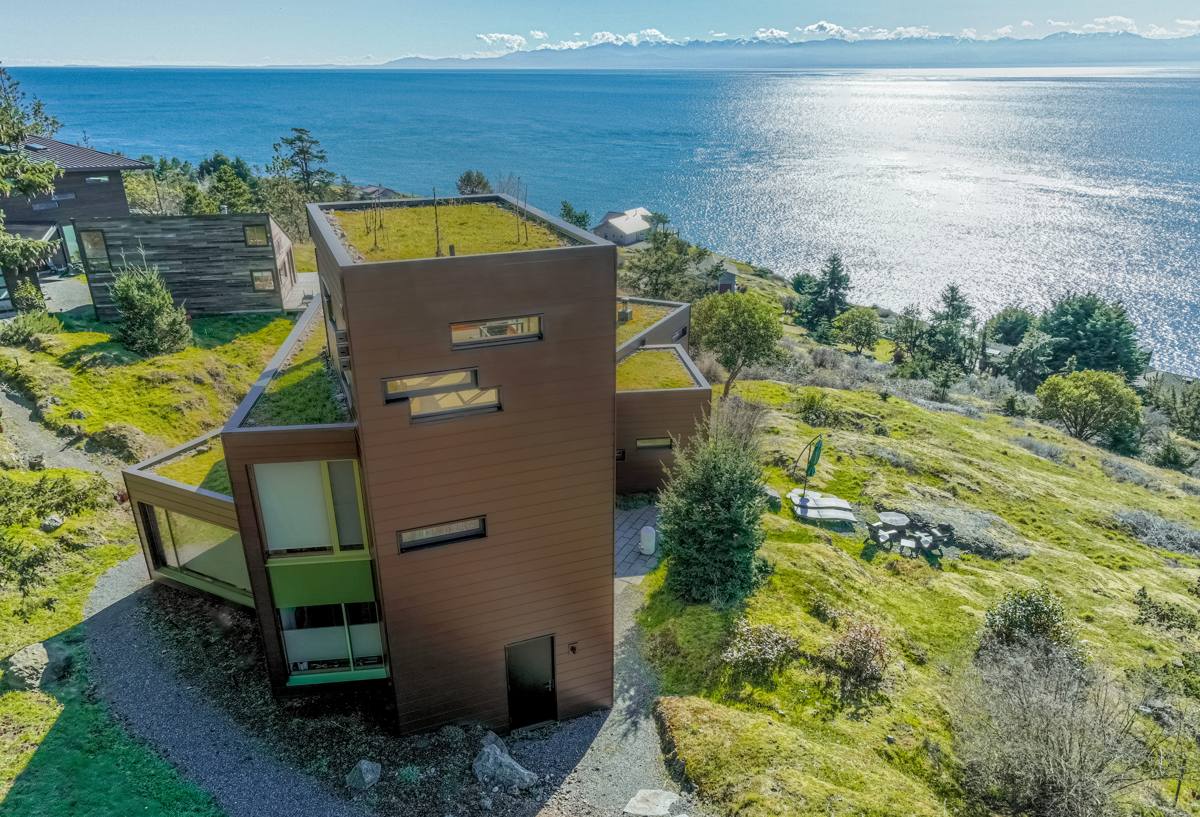
Homes around Lopez Village sit in one of the more exposed pockets of San Juan County. Marine air carries salt onto exterior walls year-round, driving rain comes in sideways off the water during fall and winter storms, and the shaded, damp stretches of the island hold onto moisture long after the rain stops. That combination is harder on siding than most inland climates in Washington. Salt residue breaks down paint film and caulk faster. Wind-driven rain finds its way into laps, seams, and trim joints that would stay dry in a calmer location. And the long moss season — often running from late fall through spring — means algae and moss get a head start on any surface that stays damp for more than a day or two.
None of this means siding on a Lopez Village home is doomed to fail early. It means the material and the installation details have to be matched to the actual conditions, and repairs have to address the cause of the damage, not just patch the symptom. That's the standard we hold every repair to.
What Salt Air, Rain, and Moss Actually Do to Siding
Salt Air
Airborne salt is corrosive to fasteners and hard on painted or coated surfaces. Over years, it accelerates the breakdown of paint film on wood and composite sidings, and it corrodes exposed or under-protected fastener heads, which then bleed rust streaks down the wall. It also degrades caulk and sealant faster than a typical inland environment, which opens the door to water intrusion at joints.
Driving Rain
Wind-driven rain doesn't just wet a wall — it pushes water into gaps, up under laps, and behind poorly flashed trim. On an exposed island lot, this happens more often and with more force than on a sheltered inland site. Siding systems that rely on face-sealing (caulk alone) to keep water out tend to fail here faster than systems with proper drainage planes and flashing behind the cladding.
Moss and Algae
A long moss season means more days where a north-facing or shaded wall simply doesn't dry out. Moss and algae growth isn't just cosmetic — trapped moisture underneath organic growth keeps the substrate wet longer, which accelerates rot in wood-based products and can stain or etch factory finishes if left unaddressed for years.
Signs a Lopez Village Home Needs Siding Repair
- Soft or spongy spots when you press on a wall, especially near the bottom courses or below windows
- Visible gaps, cracking, or separation at butt joints and trim corners
- Paint that's bubbling, peeling, or chalking heavily, particularly on the weather side
- Dark streaking, moss, or persistent green/black growth that keeps returning after cleaning
- Warping, buckling, or boards that have pulled away from the wall
- Rust streaks bleeding from fastener heads
- Interior signs — musty smell, discolored drywall, or peeling interior paint on an exterior wall
Any one of these can be an isolated repair. Several of them together, especially combined with soft substrate, usually points to a moisture problem that's been active for a while and needs a closer look before we talk about patching anything.
What a Correct Repair Actually Involves
A siding repair that only replaces the visibly damaged board is a temporary fix if the underlying cause isn't addressed. Water intrusion almost always has a source — failed flashing, a caulk joint that let go, a penetration (vent, light fixture, hose bib) that was never properly sealed, or siding that was installed too close to grade or a roofline. Our repair process always starts with finding that source, not just the symptom.
Steps we take on every repair
- Diagnose the cause — trace water intrusion back to its entry point, not just the visible damage
- Assess the substrate — check house wrap, sheathing, and framing behind the damaged siding for rot or hidden moisture
- Replace what's compromised — remove and replace damaged boards and any affected sheathing or wrap, not just a patch over the top
- Correct the flashing and drainage details — fix the underlying issue so the same spot doesn't fail again
- Match materials and finish — repair with product and color that blends into the existing wall as closely as possible
- Reseal and inspect — proper caulk joints where appropriate, and a final check before we call it done
Repair or Replace? An Honest Look
Not every damaged section means the whole wall or the whole house needs new siding. But there's a point where patchwork repairs stop making financial sense. Here's how we think through it with homeowners:
| Situation | Usually Repair | Usually Replace |
|---|---|---|
| Damage location | Isolated to one or two areas | Spread across multiple walls or elevations |
| Cause | Single identifiable source (one bad flashing, one failed joint) | Systemic — original installation lacked proper drainage details |
| Material age/condition | Siding is otherwise sound and not near end of life | Siding is original, aging, or a product prone to repeat moisture issues |
| Substrate damage | Localized, sheathing mostly intact | Widespread rot in sheathing or framing |
| Cost over time | One-time fix resolves the issue | Repeated repairs in the same areas year after year |
We'll always give you a straight answer on which category your home falls into. If a repair is the right call, we'll say so — a full re-side isn't the answer to every problem, and we're not going to sell you one.
Why We Repair With James Hardie
When a repair calls for new siding material, we install James Hardie fiber cement — it's the only siding system we put on homes, for repairs and full replacements alike. It's non-combustible, engineered to hold up in wet coastal climates, and available in HZ product lines built for exactly this kind of exposure. The ColorPlus factory finish gives us a much better shot at matching the existing wall's color than a field-painted product would, since the finish is baked on at the factory rather than mixed on site.
Fiber cement also doesn't feed moss and algae growth the way some wood-based or engineered wood products can when the coating is compromised, and it holds paint and finish far longer in salt air than untreated or lightly primed wood siding. For repair work specifically, that matters — a patch that's going to sit next to 10- or 15-year-old original siding needs a material that will age at a similar rate, not one that will visibly outpace or lag behind the rest of the wall.
Why It Matters That We Already Work in Lopez Village
Working on the islands isn't the same as working an inland job. Ferry schedules dictate when materials and crews can move, which means island jobs need real planning — not a contractor showing up without the right materials or having to make a second ferry trip mid-repair. A crew that regularly works San Juan County knows how to sequence a job around the ferry, how to source and stage materials ahead of time, and what the local exposure actually does to a house, because we've seen it on other homes in the area, not just read about it.
We've also learned which details matter most out here: flashing at every horizontal joint, drainage planes that actually drain, fastener choices that resist salt corrosion, and finish products rated for marine exposure. Those aren't universal standards — they're what this climate demands, and it shows up in how long a repair actually holds.
Keeping Repaired Siding Ahead of the Next Storm Season
Once a repair is done right, a little seasonal attention goes a long way toward making it last, especially heading into the wetter months.
- Rinse salt residue and grime off siding a couple of times a year, especially on walls that face open water or prevailing wind
- Keep gutters clear so water isn't overflowing and running down the wall
- Trim back vegetation that shades a wall and keeps it damp longer than it needs to be
- Walk the exterior each fall and check caulk joints around windows, doors, and trim before the rainy season sets in
- Address small paint or finish issues early — a small touch-up now is cheaper than a repair later
- Watch for early moss growth on shaded elevations and remove it before it spreads
Get an Honest Look at Your Siding
If you're seeing soft spots, staining, moss that won't quit, or siding that just looks tired on a Lopez Village home, we're glad to come take a look. We'll tell you plainly whether it's a repair, how big a repair, or whether you're better off putting the money toward new siding — no pressure either way. Fill out the form below for a free estimate.