 Orcas Island Siding
 Window Installation Built for Lopez Village's Marine Climate
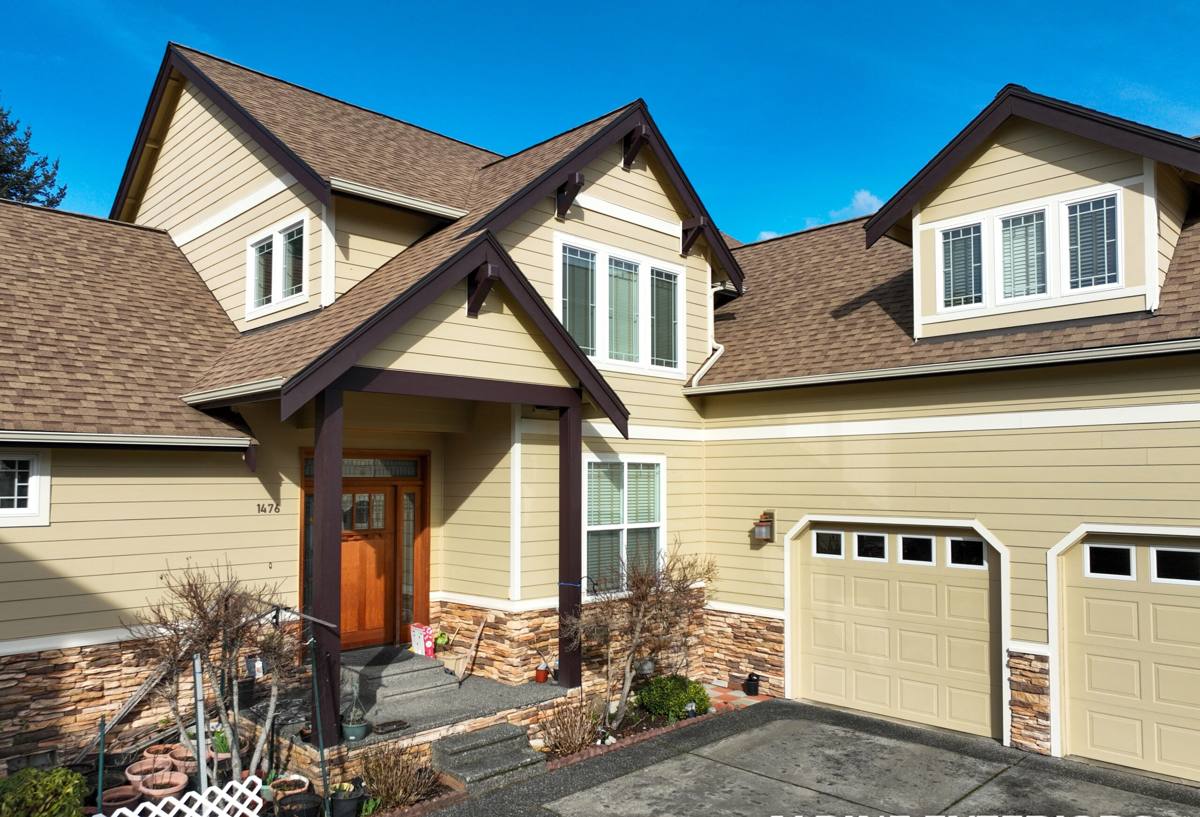
Lopez Village sits close to the water, and that proximity shapes everything about how windows perform there. Homes in this part of San Juan County deal with salt-laden air rolling off the water, driving rain that comes in sideways during winter storms, and a long moss season that keeps exterior surfaces damp for months at a time. A window that would hold up fine in a drier inland climate can fail early here if it wasn't installed with these conditions in mind. This page covers what actually goes into a correct window installation for a Lopez Village home, and why the details matter more here than they do almost anywhere else in Washington.
What the Local Climate Does to Windows Over Time
Salt Air and Metal Components
Salt in the air accelerates corrosion on anything metal — window hardware, screen frames, fasteners, and even the reinforcement inside some vinyl frames. Over years of exposure, standard hardware can pit, stick, or seize up well before the glass or frame itself shows any wear. This is one of the biggest reasons window failures near the water tend to start at the hinges and locks rather than the glass.
Driving Rain and Wind-Driven Moisture
Storms off the water don't just drop rain straight down — wind pushes it sideways and upward against the building envelope. That kind of wind-driven rain finds any gap in flashing or sealant that a calmer climate would never expose. A window installed for average conditions, without attention to how water is directed around and away from the opening, is more likely to let moisture behind the trim over time.
Moss Season and Prolonged Dampness
San Juan County's long wet season keeps north-facing walls, sills, and shaded corners damp for extended stretches. Moss and algae growth on siding and trim hold moisture against the wall assembly longer than open, sun-exposed areas. Around windows, that prolonged dampness is exactly the condition that rots unprotected wood trim and breaks down poorly sealed joints.
Signs a Lopez Village Home Needs New Windows
Not every drafty window needs full replacement, but certain signs point to problems that repair or re-caulking won't fix. Watch for:
- Fogging or a permanent haze between panes, which means the seal has failed and the insulating gas has escaped
- Soft, spongy, or visibly rotted wood at the sill or frame
- Hardware that's stiff, corroded, or won't latch fully closed
- Noticeable drafts or cold spots near the frame even with the window shut
- Paint or finish that keeps failing at the same spot no matter how often it's touched up
- Visible moss, algae, or persistent black staining on the sill or trim below the window
- Difficulty opening or closing due to a swollen or warped frame
Any one of these can usually be diagnosed on-site during a free estimate, and it's worth having someone look before assuming the worst — or before assuming a quick caulk job will solve it.
What a Correct Installation Actually Involves
Flashing and Water Management
The single most important part of a window installation, especially in a climate like this one, is how water is managed around the opening before the window ever goes in. That means a properly sloped sill pan, flashing tape integrated with the house wrap in the right shingle-lap order (so water sheds outward and down, never inward), and head flashing that directs runoff away from the top of the frame. Skipping or rushing this step is the most common cause of hidden rot behind an otherwise fine-looking window.
Sealing and Insulation
Once the window is set, the gap between the frame and the rough opening needs to be sealed and insulated correctly — not just packed with whatever's on hand. Low-expansion foam or backer rod and sealant rated for exterior exposure keeps air and moisture out without bowing the frame. Exterior sealant joints need to be compatible with the siding and trim material and rated for the kind of sustained wet exposure this area gets for much of the year.
Fastening and Structural Fit
The window has to be shimmed level, plumb, and square before it's fastened, and it has to be fastened at the manufacturer's specified points to hold up under wind load. A window that's slightly out of square will bind, won't seal evenly, and will put uneven stress on the hardware — accelerating exactly the kind of wear that salt air already speeds up.
Choosing the Right Window for Salt Air and Rain
Material choice matters more here than in a typical inland install. The table below reflects general trade-offs we walk homeowners through — not a claim that any one product is universally "best," since budget and the specific exposure of a wall matter too.
| Material | Salt Air / Corrosion Resistance | Moisture Behavior | Maintenance |
|---|---|---|---|
| Vinyl | Good — frame itself won't corrode | Handles moisture well; watch hardware and reinforcement | Low; occasional track and hardware cleaning |
| Fiberglass | Very good — stable in temperature swings and salt exposure | Excellent; resists warping and swelling | Low to moderate |
| Wood or wood-clad | Fair — exposed wood is vulnerable without diligent upkeep | Needs attention; prone to rot if finish fails | Higher; regular finish maintenance required |
| Aluminum-clad | Fair to good depending on finish quality | Good if properly sealed at joints | Moderate |
Hardware finish is worth just as much attention as frame material. Stainless steel or marine-grade hardware costs more up front but resists the pitting and seizing that standard hardware develops within a few years this close to the water. We also recommend corrosion-resistant screens, since standard screen frames are often the first thing to visibly degrade on a waterfront or near-waterfront property.
Our Window Installation Process
The steps below are the same order we follow on every Lopez Village project, adjusted for the specific window count and access on your property.
- On-site assessment of existing windows, framing condition, and any hidden rot or water damage
- Precise measurement and material selection based on the home's exposure and your budget
- Careful removal of the old window with attention to the condition of the rough opening underneath
- Repair of any rot or damaged framing found once the old window is out — this gets flagged and discussed before we proceed
- Sill pan and flashing installation, integrated properly with the existing house wrap or building paper
- Setting the new window level, plumb, and square, then fastening per manufacturer specification
- Insulating and sealing the perimeter with exterior-rated materials
- Exterior trim and sealant finish work, and a final walkthrough with you before we leave
What Affects Cost
Every home is different, so we don't quote sight unseen, but a few factors consistently move the price on Lopez Village jobs specifically:
- Number of windows and whether they're a standard size or a custom order
- Material choice — vinyl, fiberglass, and wood-clad carry different price points
- Condition of the framing once the old window is removed; rot repair adds labor and materials
- Access and logistics — island projects sometimes require more lead time on material delivery and scheduling around ferry sailings
- Whether hardware and screens are upgraded to corrosion-resistant options
We'll always walk through these factors on-site so you know what's driving the number, rather than handing you a flat per-window price that doesn't reflect your home's actual condition.
Why It Matters to Hire a Crew That Already Works Lopez Village
Working on Orcas Island isn't the same as working on the mainland. Material deliveries have to be planned around ferry schedules, weather windows for exterior work are narrower in the wet season, and every crew that comes over needs to plan its day differently than it would on the mainland. A contractor who already works regularly in Lopez Village and the surrounding San Juan County islands has that logistics figured out — materials show up when they're supposed to, and the work isn't rushed to beat a ferry departure. Just as important, a crew that installs windows in this specific climate day in and day out knows to prioritize flashing and hardware details that a mainland crew, unfamiliar with salt air and driving rain, might treat as optional. That familiarity shows up in how long the installation actually lasts, not just how it looks the day it's finished.
Maintaining Your Windows Through Moss Season
A correct installation gives you a strong starting point, but a little seasonal attention keeps it that way. We recommend:
- Clearing debris and moss from sills and tracks before the wet season sets in
- Checking exterior sealant joints annually for cracking or gaps and re-sealing as needed
- Operating hardware a few times through the year so mechanisms don't seize from disuse and moisture
- Trimming back vegetation that shades a window and keeps the surrounding wall damp
- Wiping down and inspecting hardware and screens for early signs of corrosion, especially on wind- and water-facing walls
None of this takes long, and catching a failed seal or a bit of surface corrosion early is far cheaper than dealing with hidden rot a few years down the road.
If your Lopez Village home has windows showing any of the signs above, or you're planning ahead for a remodel, we're happy to take a look and give you a straightforward, no-pressure estimate — just fill out the form below.