 Orcas Island Siding
 Storm Damage Roofing Around Mountain Lake
Homes in the Mountain Lake area sit up in the trees, often on elevation, which means they take weather differently than a house down at sea level in Eastsound or Deer Harbor. Wind gets funneled through the forest canopy, branches and cones come down hard during winter storms, and the tree cover that keeps a house shaded and sheltered most of the year also means more debris load and more moss pressure on the roof itself. When a storm rolls through San Juan County, these homes tend to see a specific pattern of damage: wind-lifted shingles or shakes on the exposed edges, punctures or bruising from falling limbs, and water finding its way in through spots that were already weakened by months of moss and moisture.
Storm damage roof repair isn't just patch-and-go work. It's assessing what the wind and water actually did, distinguishing storm damage from ongoing wear, and fixing it in a way that holds up through the next system that comes off the water. That's the service we're describing here — not a full re-roof, not routine maintenance, but the specific job of finding and correctly repairing what a storm did to a Mountain Lake roof.
Why Mountain Lake Roofs Take a Different Kind of Damage
Salt Air, Even Up in the Trees
Orcas Island sits in salt water, and airborne salt travels further inland than most people expect, especially when storm winds are pushing it. Salt accelerates corrosion on exposed metal — flashing, fasteners, gutter hardware, and any exposed nail heads. A storm that loosens a shingle doesn't just create a gap; it exposes fasteners and flashing edges to salt-laden rain that will start corroding them faster than they would on a roof further from the water.
Driving Rain and Wind-Driven Water
San Juan County storms rarely bring rain straight down. Wind pushes it sideways, up under shingle tabs, behind flashing, and into any gap that wouldn't be a problem in calm weather. A roof that's intact but has one lifted shingle or a slightly separated flashing seam can take on significant water during a wind event, even though the same spot would shed water fine on a quiet day.
A Long Moss Season
The Pacific Northwest's wet, mild climate gives moss a long growing season, and Mountain Lake's tree cover adds shade that keeps roof surfaces damp longer after a storm passes. Moss holds moisture against the roofing material, works into seams and under shingle edges, and can mask storm damage — a shingle that got knocked loose in a wind event can get pinned in place by moss growth, hiding a leak path until it's already caused interior damage.
What a Storm Actually Does to a Roof Here
Storm damage on a Mountain Lake roof usually falls into a handful of categories. Knowing which one you're dealing with changes the repair approach:
- Wind-lifted or torn shingles/shakes — usually starts at ridge lines, edges, and any spot where the roofing wasn't fully sealed down
- Impact damage from falling branches or cones — punctures, cracked shakes, or bruised shingle mat that won't necessarily leak right away but will fail early
- Flashing separation — around chimneys, skylights, and roof-wall intersections, where wind and thermal movement can pull flashing away from its seal
- Gutter and downspout damage — bent, torn loose, or clogged with storm debris, which backs water up under the roof edge
- Underlayment exposure — where the top layer is gone or torn but the leak hasn't shown up inside yet
The tricky part is that the visible damage and the actual leak path aren't always the same spot. Water travels along the roof deck before it finds a way through, so a stain on a ceiling inside the house might be several feet from where the storm actually did its damage. That's why a proper storm damage assessment starts on the roof, not in the attic.
Our Process for Storm Damage Repair
1. Assessment Before Anything Gets Touched
We walk the roof and document what the storm did — not just the obvious stuff, but the loosened fasteners, lifted tabs, and flashing that's separated but hasn't leaked yet. On a moss-prone roof like most of what we see around Mountain Lake, we also check whether existing moss growth is masking damage or has itself contributed to the problem.
2. Distinguishing Storm Damage from Wear
This matters for insurance purposes and for setting honest expectations. A roof that was already near the end of its service life before the storm hit isn't the same repair as a roof that took sudden wind or impact damage. We'll tell you plainly which is which — we're not going to sell a full repair or replacement for damage that's really just accumulated age, and we're not going to under-scope a repair to save you money today if it means you're back dealing with a leak in six months.
3. Correct Repair, Matched to the Existing Roof
Repairs get tied into the existing roofing system properly — matching shingle or shake exposure, re-sealing flashing correctly rather than just caulking over a gap, and making sure any replaced sections shed water the same way the surrounding roof does. A patch that doesn't match the existing water path just moves the leak somewhere else.
4. Documentation
We document what we found and what we did, which matters if you're filing an insurance claim for storm damage. Clear before-and-after documentation of the actual damage makes that process considerably easier.
Repair vs. Replacement: What Actually Decides It
| Factor | Leans Toward Repair | Leans Toward Replacement |
|---|---|---|
| Extent of storm damage | Isolated to a section or edge | Widespread across multiple slopes |
| Age/condition of existing roof | Roof has years of service life left | Roof was already near end of life |
| Underlying deck condition | Deck is sound, no rot | Water has reached and softened the deck |
| Moss/moisture history | Minor, surface-level moss | Long-term moss damage under the roofing |
| Matching materials available | Existing product still available/matchable | Product discontinued, patch would be visibly mismatched |
Most storm damage we see around Mountain Lake is repairable, especially when it's addressed before a second or third storm compounds the problem. Replacement usually comes into the conversation when the roof was already older or when moss and moisture had been working on it for years before the storm finished the job.
Why It Matters Hiring a Crew That Already Works This Area
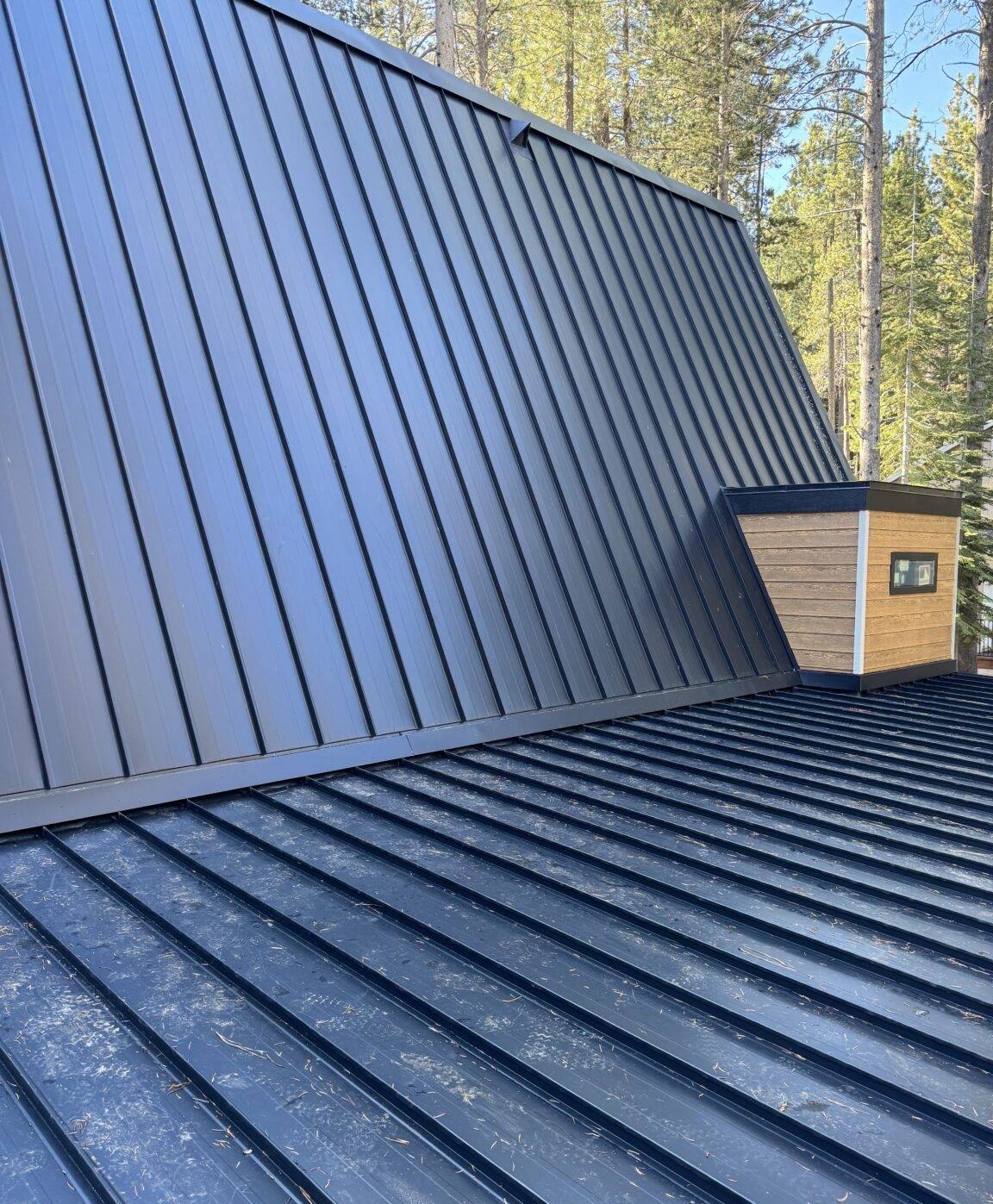
Mountain Lake's elevation, tree cover, and access are different from a flat, open lot in town. A crew that regularly works this part of Orcas Island already understands how the terrain affects load access, staging, and safe roof work under tree cover, and knows what storm damage typically looks like on the roofing types common in this area — shakes, architectural shingles, and metal roofing all show storm and moss damage a little differently. That familiarity means less time spent figuring out the roof and more time actually fixing it.
It also matters for follow-up. Storm damage repair isn't always a one-visit job — sometimes a repair needs a return trip to confirm it held through the next weather system, or a related issue turns up once the immediate damage is addressed. A contractor who's local to San Juan County and works this area regularly is positioned to actually come back, not just show up once after a storm and move on.
What to Do Right After a Storm
- Look for obvious signs from the ground: displaced shingles, debris on the roof, sagging gutters — don't get on the roof yourself, especially on wet or mossy surfaces
- Check the attic or top-floor ceilings for new staining, damp spots, or daylight showing through the deck
- Photograph any visible exterior damage and interior water intrusion before cleanup starts
- Clear storm debris away from downspouts and ground-level drainage so water isn't backing up at the foundation
- Avoid tarping or covering damaged sections yourself unless it's a genuine active leak emergency — improper tarping can trap moisture and cause more damage than it prevents
- Call for an assessment promptly — a roof that's holding for now can deteriorate fast with the next system, especially with more rain in the forecast
Moss Prevention as Part of Storm Recovery
Once storm damage is repaired, it's worth addressing the moss conditions that make future storm damage worse. A roof that's kept clear of heavy moss sheds wind-driven rain better and gives us a clean surface to actually inspect after future weather events, instead of one where damage can hide under growth for months. This isn't an upsell tacked onto every repair — it's a genuine factor in how long a storm repair holds up in a climate with this much moisture and shade.
Get a Straight Answer on Your Roof
If a recent storm has left you with a roof that looks off, is actively leaking, or you just want a second set of eyes before the next system moves through, we're glad to take a look. The estimate is free, there's no pressure, and if what you're dealing with is minor, we'll tell you that too. Fill out the form below and we'll get back to you to schedule a time to assess your roof.