 Orcas Island Siding
 Roofing on North Beach: A Different Set of Demands
North Beach sits close enough to the water that homes here take a steady beating most inland San Juan County properties never see. Salt-laden air corrodes exposed metal faster than manufacturers' warranties assume. Wind-driven rain doesn't just fall on a roof, it gets pushed sideways and upward under edges and flashings that would stay dry in a calmer climate. And the long, damp shoulder seasons on Orcas Island give moss and moisture months at a time to work into anything that isn't sealed and shedding water properly. A roof that's correctly installed for a dry inland town can still fail early out here if it wasn't built with these specific conditions in mind.
This page covers what a new roof installation actually needs to include for a North Beach home — not generic roofing advice, but the details that matter for this particular stretch of Orcas Island.
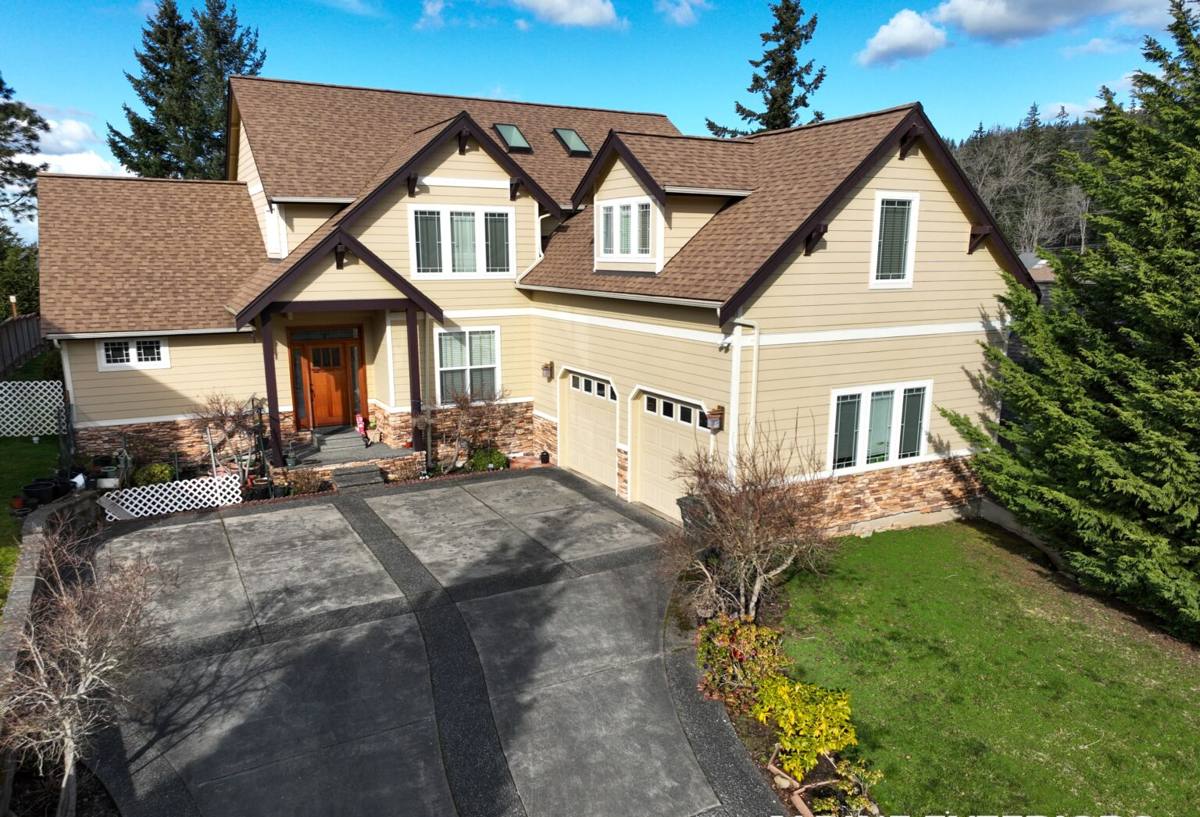
What Salt Air and Wind-Driven Rain Do to a Roof Over Time
Every material on a roof reacts differently to a marine environment, and understanding those reactions is most of what separates a roof that lasts from one that doesn't.
Metal Components
Flashing, drip edge, fasteners, and any exposed metal trim are the first things salt air attacks. Standard galvanized fasteners can start showing rust streaks within a few years near the water. This is why fastener and flashing selection matters more here than it does even a few miles inland — it's one of the first questions we ask when scoping a North Beach roof.
Wind-Driven Rain
Rain that arrives at an angle finds every gap a roof system has. Underlayment laps, valley details, and the seal around penetrations (vents, chimneys, skylights) all have to be built assuming water will be pushed uphill, not just falling straight down. A roof that only accounts for gravity-fed drainage is a roof that's going to leak in a North Beach storm eventually.
Moss and Sustained Moisture
Orcas Island's damp season runs long, and shaded or north-facing roof sections that stay wet for weeks at a stretch are where moss gets a foothold. Moss isn't just cosmetic — it holds moisture against the roofing material, works into shingle laps and seams, and can lift edges enough to let water underneath. Roof pitch, tree cover, and ventilation all affect how much of a problem this becomes on a given property.
What a Correctly Installed Roof Includes Out Here
A proper installation for this area isn't a different product line so much as a different level of attention to the details that matter in a marine climate. The core pieces:
- Underlayment built for wind-driven rain — synthetic or self-adhered underlayment with laps and fastening patterns sized for exposure, not just the manufacturer's minimum spec
- Corrosion-appropriate fasteners and flashing — hardware chosen to hold up in salt air rather than standard-grade metal that streaks and weakens early
- Valley and penetration details sealed for lateral water movement — not just downhill drainage
- Ventilation sized to the roof — proper intake and exhaust airflow to keep the underside dry and reduce the damp conditions moss thrives in
- Edge and eave protection — ice-and-water or equivalent membrane at eaves and valleys where wind-driven rain and debris collect
- A drainage plan for the whole roof — gutters, downspouts, and roof-to-wall transitions that move water away from the structure instead of pooling or backing up against siding
Skip any one of these and the roof might look fine for a season or two before the shortcuts start showing up as leaks, streaking, or premature wear.
Roofing Material Options for a North Beach Home
There's no single "best" roofing material for every North Beach property — it depends on the home's exposure, roof pitch, budget, and how much upkeep the owner wants to take on. Here's an honest comparison of the main options homeowners in this area typically weigh:
| Material | How it handles salt air and rain | Moss resistance | Typical lifespan | Maintenance |
|---|---|---|---|---|
| Architectural asphalt shingle | Good when installed with proper underlayment and flashing; reliable and widely used | Moderate — benefits from periodic cleaning in shaded areas | 20–30 years | Low to moderate |
| Standing seam metal | Excellent when specified with a marine-grade coating and proper fasteners | High — sheds moss more easily due to smooth, steep-shedding surface | 40–50+ years | Low |
| Composite/synthetic shingle | Good; resists moisture absorption better than some natural materials | Moderate to high depending on product | 30–50 years | Low |
| Cedar shake | Requires diligent maintenance in a wet marine climate | Low without regular treatment — holds moisture | 20–30 years with upkeep | High |
We'll walk through these trade-offs honestly during an estimate — including where a lower-maintenance option might save more over 20 years than a lower sticker price does today.
Signs a North Beach Roof Needs Replacing, Not Patching
Repairs make sense for isolated damage. A full replacement becomes the smarter call when the underlying materials are worn out across the roof, not just in one spot. Signs worth taking seriously:
- Granule loss or curling shingles across large sections, not just one area
- Recurring leaks in different spots after previous repairs
- Soft or spongy decking felt underfoot or visible sagging
- Rust staining or corrosion at flashing and fasteners
- Persistent moss or algae growth that returns quickly after cleaning
- The roof is at or past its material's expected service life
If a roof is only a few years from the end of its useful life anyway, patching a leak is often just deferring a bigger cost. We'll give a straight answer on which situation a given roof is actually in.
Our Installation Process
1. On-Site Assessment
We look at the existing roof, decking condition, ventilation, exposure to wind and salt spray, and any moss or moisture patterns specific to that property before recommending a system.
2. Tear-Off and Deck Inspection
Old roofing comes off down to the deck so we can check for rot, soft spots, or moisture damage that needs to be addressed before new roofing goes on — installing over hidden problems just locks them in.
3. Underlayment and Flashing
This is where the wind-driven-rain and salt-air details get built in — proper laps, sealed penetrations, and flashing chosen for this environment, not a generic spec sheet.
4. Roofing Material Installation
Installed to manufacturer specifications and adjusted for local exposure — fastening patterns, edge details, and ventilation dialed in for the property's actual conditions.
5. Final Inspection and Cleanup
We walk the finished roof, check every penetration and edge, and clear the site of debris and old materials before calling the job done.
Why Local Experience on North Beach Matters
Roofing crews who haven't worked this specific stretch of Orcas Island tend to underestimate how much the salt exposure and rain direction change the job. A contractor used to drier, inland conditions may spec materials and details that are technically code-compliant but not built for what North Beach actually throws at a roof year-round. Working this area repeatedly means we've seen which flashing details hold up, which fastener grades actually last, and where moss tends to build up first on homes with this kind of tree cover and exposure — and we build that into every estimate, not just the ones where a homeowner asks.
San Juan County's building requirements and this island's logistics — material delivery, scheduling around weather windows, working on properties with limited road access — also factor into how a project gets planned and run. A crew that already knows the terrain plans around it instead of learning it on your job.
Planning Your Roof Replacement
A few practical things to think through before starting:
- Timing: drier stretches of the year make for a cleaner, faster install and reduce the risk of exposure during tear-off
- Access: driveway and roof access on North Beach properties can affect equipment staging and material delivery — worth discussing early
- Ventilation upgrades: if the existing roof had moss or moisture issues, this is the right time to correct airflow, not just replace the surface
- Gutter and drainage condition: a new roof paired with worn-out gutters is only solving half the water-management problem
- Budget range: get a written, itemized estimate rather than a single number — it should spell out material, tear-off, decking repair contingencies, and labor separately
If you're weighing a new roof for a North Beach property, we're happy to take a look and give you a straight, no-pressure estimate — what your roof actually needs, what it'll cost, and why. Use the form below to get started.