 Orcas Island Siding
 Why North Beach Homes Need a Different Approach to Siding
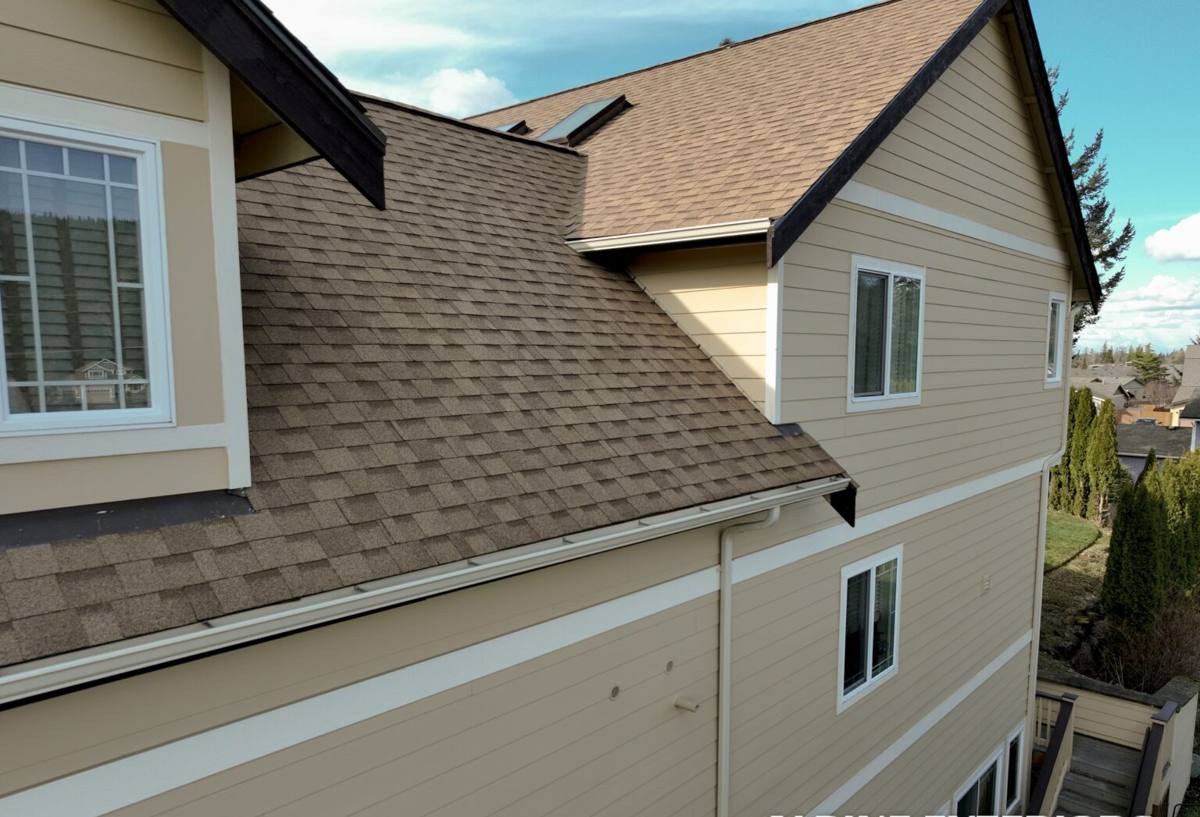
North Beach sits close enough to the water that salt air is a daily fact of life, not an occasional nuisance. Combine that with the driving rain that comes off the Strait during winter storms and the long, damp moss season that follows, and you have a set of conditions that will find every weakness in a siding system. Homes here don't fail because the siding material was bad on the day it was installed — they fail because the wrong material or the wrong installation choices were made for this specific exposure. A siding installation in North Beach has to be planned around water management, salt exposure, and organic growth from day one, not treated as an afterthought.
What Salt Air, Rain, and Moss Actually Do to Siding
Each of these three stressors attacks siding differently, and understanding the mechanism matters because it changes what "correct installation" looks like.
Salt Air
Airborne salt settles on exterior surfaces and accelerates corrosion of any exposed metal fasteners, flashing, or trim. It also draws moisture into porous or poorly sealed materials, which keeps siding wetter for longer after every rain. On a site like North Beach, that means fastener selection and finish quality aren't cosmetic details — they're the difference between siding that looks fine at year five and siding that's showing rust streaks and swelling at year five.
Driving Rain
Wind-driven rain doesn't just run down a wall — it gets pushed sideways and upward into laps, seams, and penetrations. A siding system that relies on paint or caulk alone to keep water out will eventually let it in. The house needs a drainage plane and flashing details that assume water will get behind the cladding occasionally, and give it a way back out.
Moss and Organic Growth
San Juan County's damp shoulder seasons are ideal for moss, algae, and mildew on any surface that stays wet and shaded. Untreated wood-based siding products absorb moisture and organic material can take hold in the surface itself. A dense, factory-finished fiber cement surface gives moss less to grab onto and holds up to periodic cleaning far better than raw or lightly primed wood products.
Why We Install James Hardie and Nothing Else
We standardized on James Hardie fiber cement siding for every home we side, including North Beach, and we don't install vinyl, LP SmartSide, Cemplank, Allura, primed spruce, or cedar. That's not a marketing position — it's a decision built around what actually holds up in this exposure.
- Fiber cement is non-combustible, which matters in a region where wildfire risk and insurance scrutiny are both increasing.
- The ColorPlus factory finish is baked on under controlled conditions, giving far better fade and moisture resistance than field-applied paint on wood or engineered wood products.
- Hardie's HZ5 product line is engineered specifically for climates with heavy moisture exposure, which describes North Beach well.
- It carries a strong transferable warranty backed by a large, established manufacturer — not a smaller regional mill.
- It has a long track record in the Pacific Northwest specifically, not just in dry-climate markets.
We're not going to tell you every other product is worthless — cedar has real appeal, and engineered wood has its fans. But we've made a professional call that in a marine, high-moisture environment like this, the maintenance burden and long-term risk of wood-based and vinyl products isn't one we're willing to put our name behind. Fiber cement, installed correctly, is what we believe holds up.
What a Correct Siding Installation Involves Here
The material is only half the equation. A James Hardie installation done right for a site like North Beach includes several details that are easy to skip and hard to notice once the siding is up — until they fail years later.
Water-Resistive Barrier and Flashing
Every penetration — windows, doors, vents, hose bibs, light fixtures — needs proper flashing integrated with the water-resistive barrier so water is directed out and down, never trapped behind the cladding. In a driving-rain environment, this is the single most important thing separating a siding job that lasts 30+ years from one that causes rot in ten.
Fastener Selection
Given salt air exposure, fastener corrosion resistance isn't optional. Hardie's installation specs call for corrosion-resistant fasteners, and near saltwater that spec should be followed to the letter, not treated as a suggestion.
Proper Clearances
Hardie specifies minimum clearances between the bottom of the siding and roof lines, decks, and grade. Skipping these clearances is one of the most common installation shortcuts, and it's exactly what lets moss, standing moisture, and wicking damage take hold at the bottom courses first.
Caulking and Joint Treatment
Butt joints and trim transitions need to be treated as part of the water management system, not just sealed for looks. Done wrong, they become the first place driving rain finds its way in.
Our Process for a North Beach Siding Installation
- On-site assessment. We look at your home's specific exposure — how close to the water, which direction the prevailing weather hits, existing moisture or moss patterns, and the condition of the current siding and sheathing.
- Tear-off and sheathing check. Old siding comes off and we inspect the sheathing underneath for rot or hidden moisture damage before anything new goes on. This step gets skipped by crews in a hurry, and it's the step that matters most.
- Water-resistive barrier and flashing installation. This is installed to manage water at every penetration and transition, sized for the exposure your home actually faces.
- Hardie panel or lap installation. Installed to manufacturer spec, with corrosion-resistant fasteners and correct clearances at every edge.
- Trim, caulking, and finish detailing. Final joint and transition work, checked against the same water-management standard as the rest of the job.
- Final walk-through. We go over the finished work with you before we consider the job done.
Comparing Siding Materials for a Marine Exposure Like North Beach
| Factor | James Hardie Fiber Cement | Vinyl | Untreated Wood / Cedar |
|---|---|---|---|
| Moisture absorption | Very low | Low, but seams can trap water | High — prone to swelling and rot |
| Salt air resistance | Strong; factory finish resists degradation | Can become brittle over time | Requires frequent refinishing |
| Moss/algae resistance | Good; dense surface, cleans well | Moderate; smooth but seams collect debris | Poor without regular treatment |
| Fire resistance | Non-combustible | Can melt or deform in heat | Combustible |
| Maintenance | Occasional cleaning/repainting over decades | Low, but limited repair options if damaged | Regular sealing, staining, or painting |
Signs Your North Beach Home May Already Need Attention
Because of the local exposure, siding problems here tend to show up earlier and in specific patterns. Watch for:
- Moss or dark staining concentrated at the bottom courses or shaded north-facing walls.
- Soft spots or slight give when you press on wood-based siding.
- Rust streaks running down from fastener heads or trim.
- Paint that's peeling or bubbling rather than just fading evenly.
- Gaps opening up at butt joints or around window and door trim.
- A musty smell near exterior walls inside the home, which can indicate moisture getting behind the siding.
Any one of these on its own might be minor. Several together, especially on a home that's been through a few winters of driving rain without attention, usually means it's worth a professional look before small issues become structural ones.
What Homeowners Should Ask Before Hiring for This Kind of Job
Not every siding crew has experience with the specific demands of a marine, high-moisture site. Before hiring anyone for a North Beach installation, it's worth asking pointed questions:
- Do they follow James Hardie's published installation instructions for clearances, fastening, and climate zone, or do they treat it as "just another siding job"?
- Will they inspect and repair sheathing before installing new siding, or just cover over what's there?
- What fastener and flashing materials do they use, and are they rated for coastal or high-moisture exposure?
- Can they explain, specifically, how their water-resistive barrier and flashing plan will handle wind-driven rain on your home's exposure?
- Do they warranty their installation labor separately from the manufacturer's product warranty?
A contractor who already works in San Juan County's marine climate should be able to answer these without hesitation, because they've already had to solve for them on other homes nearby.
Why Local Experience Matters More Than It Seems
Siding installation isn't uniform across regions. A crew that mostly works inland, drier markets can install Hardie siding competently by the book and still miss the extra margin that a place like North Beach demands — slightly more generous clearances, more attention to fastener corrosion resistance, more conservative flashing at penetrations. None of that is exotic work, but it's the kind of judgment that comes from having sided homes in this exact kind of exposure before, not from a general playbook. We work throughout Orcas Island and San Juan County, and the lessons learned on one waterfront or near-waterfront home carry directly into the next.
If your North Beach home needs new siding, or you're not sure whether what's already up there is holding up the way it should, we're happy to take a look. There's a form on this page for a free, no-pressure estimate — we'll walk the exterior with you, point out anything we see, and give you an honest read on what your home actually needs.