 Orcas Island Siding
 Building on Orcas Island's East Side Comes With Its Own Window Requirements
Obstruction Pass sits on the exposed southeastern edge of Orcas Island, where weather off the water meets thick, shaded tree cover for much of the year. That combination — salt-laden air, driving rain that comes in sideways during winter storms, and long stretches of damp, low-light months that grow moss on anything that holds moisture — puts real demands on a new home's windows before the first piece of trim ever goes up. A window that would perform fine in a dry inland climate can start showing problems within a few seasons out here if it wasn't installed with this specific site in mind.
When you're building new, you get one real chance to get the window installation right. Everything after the rough opening is closed up — siding, trim, interior finishes — makes a correction more expensive. That's the case for treating new-construction window work in San Juan County as its own discipline, not just "installing windows."
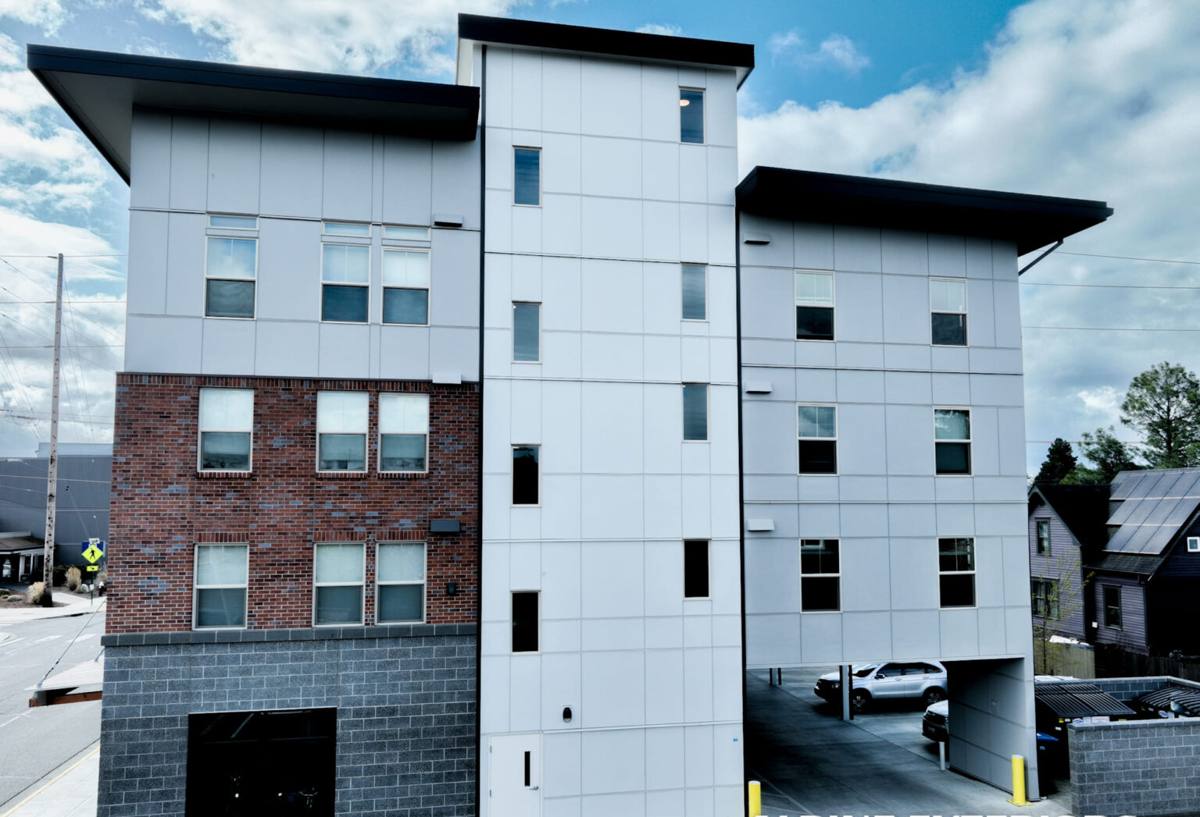
New-Construction Windows vs. Replacement Windows: Why the Job Is Different
A lot of homeowners assume window installation is window installation. It isn't. Replacement windows go into an opening that's already built, flashed, and finished — the installer is working with what exists. New-construction windows go in during framing, before the weather-resistive barrier, siding, and trim are complete. That means the window installer is building the water management system for that opening from scratch, not adapting to one that's already there.
This matters most on a site like Obstruction Pass because the opening itself — how it's framed, flashed, and sealed against the sheathing — is what determines whether wind-driven rain finds its way in five or fifteen years from now. Get that sequencing wrong during construction and no amount of caulk applied later will fully fix it.
The Rough Opening and Flashing Plan: Where the Job Is Actually Won or Lost
Most window failures on the water side of Orcas Island don't start with the window itself — they start with how the opening around it was prepared. This is the part of the job that isn't visible once the house is finished, which is exactly why it has to be done correctly the first time.
Weather-Resistive Barrier Integration
The house wrap or weather-resistive barrier has to be sequenced correctly with the window flange — lapped so that water draining down the wall sheds over the top of the flashing at the window head, never behind it. In a driving-rain climate like this stretch of the island, a barrier that's taped or lapped backward, even in one spot, becomes the one place moisture finds a path in.
Sill Pans and Sloped Sills
Every rough opening should get a sill pan — a flashing membrane at the bottom of the opening formed to shed any water that gets past the window back outside rather than letting it sit against the framing. On a site exposed to sustained wind-driven rain, a flat sill or one that drains toward the interior of the wall is a slow, invisible problem waiting to happen. We slope sills outward and back-dam them so incidental moisture has nowhere to go but out.
Frame Material and Glass Choices for a Salt-Air, High-Moisture Site
There's no single "best" window material for every home — the right choice depends on exposure, budget, and how much long-term maintenance you want to take on. For a build near the water in Obstruction Pass, we walk clients through the real trade-offs rather than pushing one product.
| Frame Material | Salt Air / Moisture Performance | Maintenance | Best Fit |
|---|---|---|---|
| Vinyl | Won't corrode; good moisture resistance | Low — no painting or sealing | Budget-conscious builds, secondary structures |
| Fiberglass | Excellent — very stable in wet, salty conditions | Low | Primary homes with direct water exposure |
| Wood-clad (aluminum or fiberglass exterior) | Good if cladding and flashing details are correct | Moderate — interior wood finish upkeep | Homes wanting a wood interior look with a protected exterior |
| Solid wood, unclad | Poor without diligent upkeep in this climate | High — regular refinishing needed | Sheltered elevations only, if at all |
On glass, we generally recommend a dual-pane, low-E package with an argon or krypton fill and a warm-edge spacer. In a moss-prone, moisture-heavy climate, condensation resistance matters as much as R-value — a poorly performing spacer or seal will show up as fogged glass or persistent interior condensation long before the frame itself fails.
Our New-Construction Window Installation Process
- Rough opening review — we check framing dimensions, squareness, and plumb before any window arrives on site, so problems are caught while they're cheap to fix.
- Sill pan flashing — sloped and back-dammed sill pan installed and tested before the window is set.
- Window setting — window shimmed, leveled, and fastened per manufacturer specification, not "close enough."
- Flange and flashing integration — jamb and head flashing lapped correctly with the weather-resistive barrier in the proper shingle-style sequence.
- Interior and exterior sealant — appropriate sealants at the right points, leaving designed drainage paths open rather than sealing the whole perimeter shut.
- Insulation and air-sealing — gaps between frame and framing filled with low-expansion foam or backer rod, avoiding pressure that can bow a frame.
- Final inspection — operation, seal, and flashing lap checked before siding closes the opening for good.
Working With Your Builder or General Contractor
On most new builds, window installation timing is tight — framers, the window crew, and the siding contractor all need to hand off cleanly to each other. We coordinate directly with your GC or builder on scheduling so the weather-resistive barrier and flashing sequence isn't rushed or done out of order to keep a broader construction timeline moving. On Orcas Island, where material and crew scheduling already has to work around ferry logistics, we plan our window sequencing early with the builder rather than trying to fit it in reactively.
If you're the homeowner and not the builder, it's worth confirming who is responsible for the window installation specifically — whether it's subbed to a dedicated window crew or handled by general framing labor. That distinction affects how much attention the flashing details get.
Moss Season, Driving Rain, and What Happens After Move-In
Orcas Island's long moss season isn't just a roof and gutter issue — it's a sign of how much moisture sits on exterior surfaces for extended periods, especially on shaded, north-facing walls common in wooded lots around Obstruction Pass. Window sills, trim, and the top of flanges are exactly the kind of horizontal and near-horizontal surfaces where moss and organic debris collect if they weren't detailed to shed water cleanly. A correctly sloped sill and properly lapped flashing keep water moving rather than pooling, which keeps those surfaces drier and slower to grow moss in the first place.
Salt air also means exposed fasteners, hardware, and unprotected metal flashing corrode faster here than they would inland. We use corrosion-resistant fasteners and flashing materials rated for coastal exposure on every new-construction install in this area, not just the water-facing elevations.
A Pre-Install Checklist for Obstruction Pass Builds
- Confirm rough openings are framed square and to the exact window schedule before ordering
- Verify sill pan flashing is included in the install plan, not treated as optional
- Ask which elevations face prevailing wind and rain, and whether those get extra flashing attention
- Choose a frame material rated for salt-air and high-moisture exposure
- Confirm sealant and insulation details won't block designed drainage paths
- Schedule window installation with enough buffer before siding closes the wall
- Ask for a final walkthrough of flashing and operation before the crew leaves
Why Hire a Crew That Already Works Obstruction Pass
Installation details that work fine in a dry, low-wind climate aren't automatically right for a site exposed to sustained coastal rain and salt air. A crew that regularly works this part of San Juan County already knows which elevations on an Obstruction Pass lot typically take the worst weather, how shaded, tree-covered sites hold moisture longer, and which flashing and material choices hold up rather than needing attention again in a few years. That local pattern recognition is hard to replace with a generic installation checklist, no matter how careful the crew is.
If you're building new in Obstruction Pass and want your windows installed with this climate accounted for from the rough opening onward, we're happy to walk your plans with you and put together a free, no-pressure estimate — just fill out the form below.