 Orcas Island Siding
 Orcas Island Decks Face a Different Kind of Wear
A deck on Orcas Island earns its keep. Between the salt-laden air coming off the water, long stretches of driving rain through fall and winter, and a moss season that seems to start earlier every year, the structure under your feet is under constant low-grade attack. None of it looks dramatic day to day — a little green film on the boards, a fastener head that's started to weep rust, a joist hanger that's gone from galvanized silver to dull orange. By the time it's visible, the damage has usually been building for a while.
Decks built to a generic mainland spec, or built fast by a crew passing through, tend to show their age here faster than in drier parts of the state. That's not a knock on any particular product — it's just what San Juan County's marine climate does to wood, fasteners, and coatings that weren't chosen with this environment in mind. Building it right the first time costs more up front and saves real money over the life of the deck.
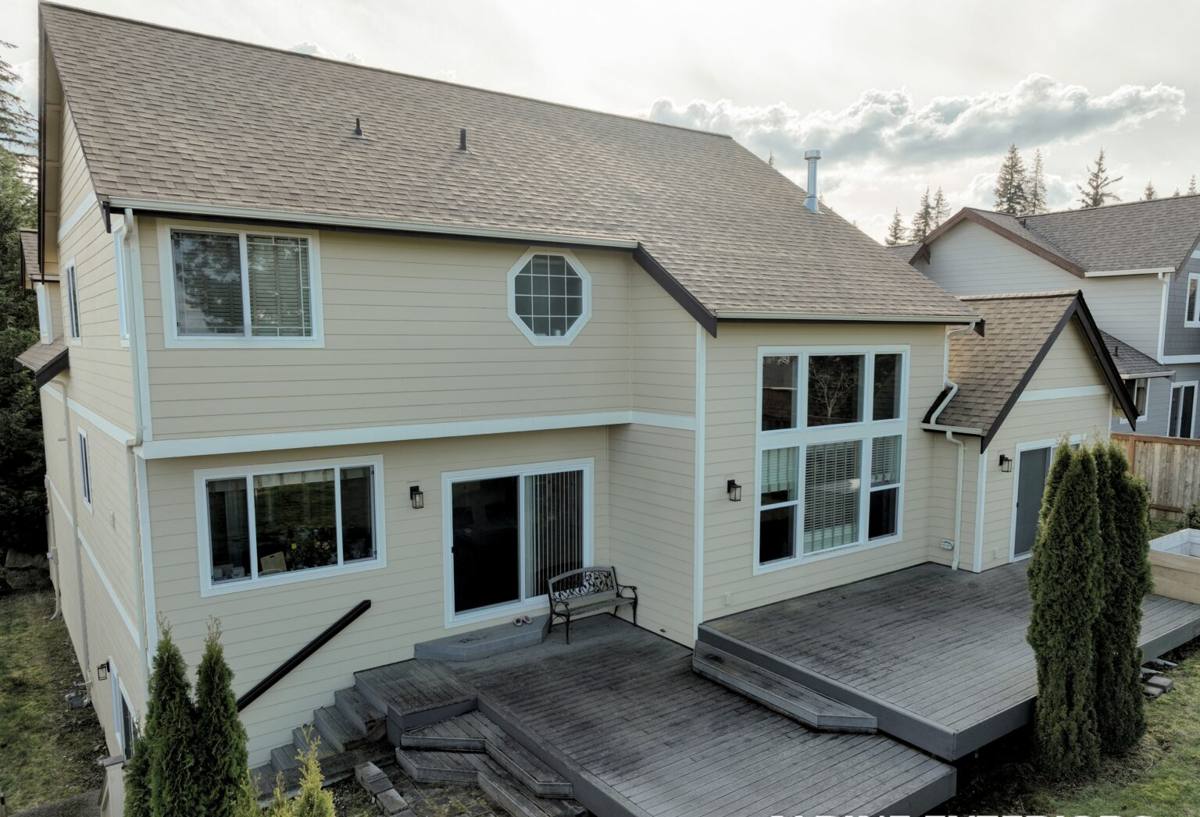
What a Correctly Built Deck Involves Here
"Correct" isn't about a fancy railing detail or a premium decking brand — it's about the decisions that don't show once the boards are down. On Orcas Island, that means paying close attention to a handful of things that get skipped or shortcut more often than they should:
Ledger Attachment and Flashing
Where a deck attaches to the house is the single most common source of rot failure in this region, because it's the one place water gets trapped against wood if it isn't detailed properly. A correct ledger installation uses proper flashing that sheds water away from the house band joist, not caulk as a substitute for flashing. Caulk fails; metal and membrane flashing, installed in the right order with the house's water-resistive barrier, doesn't rely on staying perfectly intact for ten years.
Fastener and Hardware Selection
Salt air accelerates corrosion on standard fasteners and connectors faster than most homeowners expect. Stainless steel or high-grade coated fasteners rated for coastal or treated-lumber contact cost more per box, but a deck full of rusting screw heads and a corroding ledger bolt is a maintenance headache and, eventually, a safety issue.
Footings and Frost Depth
San Juan County soils and site conditions vary a lot from lot to lot — some Orcas properties sit on shallow soil over rock, others on deeper, wetter ground. Footings need to be sized and set to the depth the local code and your specific site call for, not just poured to whatever a crew usually does on the mainland.
Choosing Decking Material for This Climate
There's no single "best" decking material — there's a best material for your budget, your maintenance appetite, and how much direct weather and shade your deck gets. Here's how the common options actually perform in a salt-air, high-rain environment:
| Material | How It Handles Salt Air & Moisture | Moss/Algae Resistance | Maintenance |
|---|---|---|---|
| Pressure-treated fir/pine | Good if properly sealed and re-coated; fasteners are the weak point | Low — needs regular cleaning and treatment | Annual cleaning, re-sealing every 2-3 years |
| Cedar | Naturally rot- and insect-resistant; still needs finish maintenance in wet climates | Moderate — better than pine, still greens up in shade | Cleaning and refinishing every 2-3 years |
| Composite decking | Excellent — doesn't absorb moisture or corrode | Varies by brand/formulation; textured caps resist algae better than smooth | Periodic washing, no sealing/staining |
| PVC decking | Excellent — fully synthetic, no organic material to feed rot | Good, but can still get slippery with algae film if shaded and damp | Periodic washing, no sealing/staining |
In practice, a lot of Orcas homeowners land on composite or PVC for sun-exposed or hard-to-reach decks where re-staining every couple of years isn't realistic, and stick with cedar or treated wood where they want a traditional look and are willing to keep up with finish maintenance. Either choice is defensible — the mistake is picking a material based on price alone without factoring in what upkeep it demands in this climate.
The Substructure: What Nobody Sees But Everyone Eventually Pays For
The decking boards get all the attention, but joists, beams, and posts are what actually hold the deck up, and they're the part most likely to be underbuilt on a rushed job. Things worth insisting on:
- Joist tape or a comparable moisture barrier on top of every joist, so water doesn't sit and wick into the wood under the decking
- Proper joist hangers rated for the load and fastener type in use, not toe-nailed connections
- Adequate airflow underneath the deck — low, boxed-in decks with no ventilation trap moisture and moss and dry out slower after rain
- Post bases that keep wood off concrete and off standing water, not posts set directly in a footing
None of this is visible once the deck is finished, which is exactly why it matters who builds it. A deck can look great for the first year regardless of what's underneath — the substructure is what decides whether it still looks great in year ten.
Our Process, Start to Finish
We keep the process straightforward because a deck project doesn't need to be complicated to be done right:
- On-site assessment — we look at the ledger location, soil/site conditions, drainage, sun exposure, and what's driving the project (new build, replacement, or repair)
- Material and design conversation — honest trade-offs on decking material, railing style, and layout based on your budget and how much maintenance you actually want to do
- Written estimate — clear scope, materials, and price before any work starts
- Permitting — we handle the San Juan County permit application and inspections that apply to your project
- Build — framing and flashing done first and correctly, then decking, then railings and trim
- Final walkthrough — we go over the finished deck and what maintenance it needs going forward
Permitting and Site Considerations on Orcas Island
Most new decks and many deck replacements on Orcas Island require a permit through San Juan County, and requirements can shift depending on height above grade, proximity to property lines, and whether the site is in a shoreline or critical area overlay. We handle that process as part of the job rather than leaving it on the homeowner's plate, and we build to the code requirements that apply to your specific property rather than a generic checklist.
Site access is its own consideration on Orcas. Some properties have straightforward driveway access; others involve tighter lots, steep grades, or limited staging space. We plan material deliveries and equipment around your site's actual access, not around what would be convenient on a flat mainland lot.
Keeping a Deck Healthy Once It's Built
A well-built deck in this climate still needs regular attention — the goal is to make that attention simple, not eliminate it entirely. A basic seasonal routine goes a long way:
- Sweep debris and standing leaves off the decking regularly, especially in fall, so moisture doesn't sit under organic matter
- Clean the surface at least once a year to knock back algae and moss growth before it takes hold
- Check railings, stair connections, and any visible fasteners for looseness or corrosion once a year
- Keep gutters and downspouts near the deck clear so runoff isn't dumping extra water onto or under the structure
- Re-seal or re-stain wood decking on the schedule the finish product calls for — don't wait until it's visibly failing
- Confirm under-deck ventilation isn't blocked by stored items, planters, or added skirting that traps moisture
Why It Matters That We Already Work Orcas Island
Building on an island changes the logistics of a project in ways that matter to the outcome. Material deliveries have to be planned around ferry schedules, not just a supplier's normal lead time. Weather windows for pouring footings or doing exterior work need to be read against actual Orcas conditions, not a generic regional forecast. And knowing how different parts of the island handle wind, salt exposure, and drainage means fewer surprises mid-project.
A crew that's already established here isn't figuring that out for the first time on your job. That translates into fewer delays, fewer material trips that get missed, and a build that accounts for this specific climate rather than a one-size-fits-all approach brought over from somewhere drier.
If you're planning a new deck, replacing an aging one, or just want an honest read on whether yours needs repair or replacement, we're happy to take a look. Request a free, no-pressure estimate using the form below.