 Orcas Island Siding
 Fiber Cement Siding for Shaw Island's Marine Climate
Shaw Island sits in the same weather system as the rest of San Juan County — salt-laden air off the surrounding water, long stretches of driving rain in the fall and winter, and a shoulder season damp enough to grow moss on anything that stays wet more than a day or two. Siding here isn't just a cosmetic layer. It's the first line of defense against moisture intrusion, and on a small island where a repair crew can't just swing by on a Tuesday afternoon, getting the installation right the first time matters more than almost anywhere else we work.
We install James Hardie fiber cement siding exclusively, and Shaw Island is exactly the kind of environment that product line was engineered for. This page covers what that means in practice — for the material, the installation details, and the way we run a job on an island that's reached only by ferry.
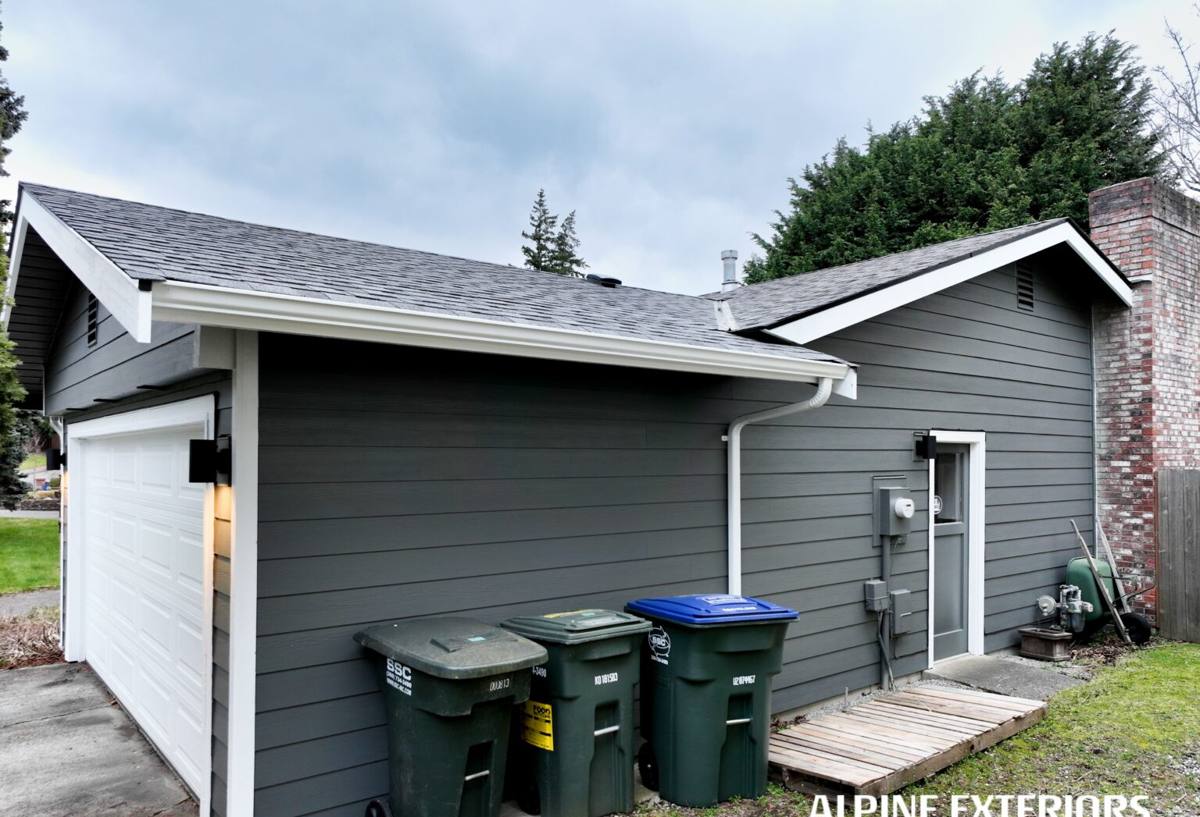
What Salt Air, Rain, and Moss Actually Do to Siding
Three things wear down exterior cladding on Shaw Island faster than they would inland:
- Salt air accelerates corrosion of fasteners, trim metal, and any exposed hardware, and it degrades some paint and coating systems faster than fresh-air environments do.
- Driving rain, especially wind-driven rain off the water, pushes moisture into joints, seams, and butt gaps that would stay dry in a calmer climate. Any siding system with weak water-shedding details will eventually let water behind the cladding.
- Moss and algae growth takes hold wherever a surface stays damp and shaded — north-facing walls, areas under tree cover, and low ground-clearance sections. Left alone, moss holds moisture against the siding surface and can accelerate deterioration underneath it.
None of this is unique to Shaw Island — it's San Juan County weather in general — but island homes often see less frequent maintenance attention simply because getting a contractor out here takes more coordination than a mainland call. That makes the durability of the material and the quality of the initial installation carry more weight than they would elsewhere.
Why We Standardized on James Hardie
We used to get asked why we don't install vinyl, LP SmartSide, or other fiber cement brands like Cemplank or Allura. The short answer is that after years of siding work in this climate, James Hardie is the product we trust to hold up without babysitting.
Vinyl siding is inexpensive and easy to install, but it's a plastic product that expands and contracts with temperature swings, can crack in impact or cold, and doesn't have the mass or rigidity to resist wind-driven rain intrusion at seams the way fiber cement does. LP SmartSide is a wood-strand product with a resin binder — it performs reasonably well when detailed and maintained correctly, but it's still an engineered wood product, and wood-based sidings are inherently more vulnerable to moisture than cement-based ones in a wet marine climate. Other fiber cement brands make a legitimate product, but we've standardized our crews, our fastening schedules, and our warranty conversations around one manufacturer so we're not guessing at spec differences between jobs.
James Hardie's fiber cement is non-combustible, dimensionally stable in wet-dry cycling, and available in HardieZone HZ5 and HZ10 formulations engineered specifically for different moisture and freeze-thaw exposure levels — which matters directly for a marine island climate. The factory-applied ColorPlus finish is baked on under controlled conditions, which holds up to salt air and UV exposure better than field-applied paint typically does over the same years.
What a Correct Fiber Cement Installation Involves
Fiber cement siding is only as good as the installation behind it. Most siding failures we see on older homes here aren't material failures — they're installation shortcuts that let water behind the cladding. On a Shaw Island job we pay particular attention to:
Water Management Details
Proper weather-resistive barrier, correctly lapped and taped seams, flashing at every window, door, and roof intersection, and a rain screen or drainage gap where wall assembly and budget allow. This is the layer that actually keeps a home dry — the siding is the visible shell, but the details behind it do the real work in driving rain.
Fastening and Clearances
Corrosion-resistant fasteners driven to Hardie's specified pattern and depth, proper board-to-board and butt-joint gaps for expansion, and minimum clearance from grade, decks, and roof lines so the siding isn't sitting in standing water or splash-back.
Caulking and Trim
Sealant only where Hardie's install guide calls for it — over-caulking traps moisture just as easily as under-caulking lets it in. Trim and corner details are sized to shed water outward, not channel it into the wall.
Climate-Matched Product Selection
Choosing the right HZ line and panel profile for the specific exposure of each elevation — a wall that takes direct wind-driven rain off the water gets treated differently than a sheltered, tree-covered wall prone to moss.
Our Process for a Shaw Island Job
Working on an island changes how a siding project has to be run compared to a job on the mainland or even elsewhere on Orcas Island. We plan around it rather than treating it as an afterthought:
- On-site assessment — we walk the whole exterior, check each elevation's exposure to wind and rain, note moisture damage, moss buildup, and any rot in the existing wall assembly before quoting anything.
- Material staging — because ferry scheduling limits how often we can run back for a forgotten piece or a damaged panel, we over-plan materials and confirm quantities carefully before the crew ever loads the ferry.
- Efficient on-island scheduling — we batch labor and equipment trips to minimize ferry crossings, which keeps the job moving and keeps costs predictable instead of ballooning from repeated trips.
- Installation to Hardie spec — water management, fastening, and trim work done to manufacturer installation requirements, which is also what keeps the material's warranty intact.
- Final walkthrough — we review the finished work with the homeowner before we leave the island, since a callback here means another ferry trip for everyone.
Cost Factors on Shaw Island
Every home is different, but these are the variables that most often move the price on an island siding job:
| Factor | Why It Matters |
|---|---|
| Ferry logistics and crew trips | Fewer, well-planned trips keep labor costs efficient; last-minute return trips for missed materials add cost |
| Existing wall condition | Rot or moisture damage behind old siding needs repair before new siding goes on — this is common on older island homes |
| Home exposure | Walls facing open water and prevailing wind need more attention to water-shedding details than sheltered walls |
| HZ product line and profile | HZ10 and certain panel profiles cost more than baseline HZ5 products but perform better in higher-exposure conditions |
| Trim and detail complexity | Homes with more corners, window trim, and roof intersections require more flashing and labor time |
Living With Fiber Cement Siding in a Moss-Prone Climate
Correctly installed James Hardie siding is low-maintenance, but "low-maintenance" doesn't mean "no maintenance" in this climate. A short annual routine goes a long way:
- Rinse siding surfaces yearly, focusing on shaded and north-facing walls where moss and algae take hold first
- Keep gutters clear so overflow doesn't run down the siding face repeatedly
- Trim back vegetation and tree cover that keeps a wall section shaded and damp
- Check caulk lines around windows, doors, and trim every couple of years and touch up as needed
- Watch for any soft spots or discoloration near grade, decks, or roof intersections — early signs of a water management problem, not a siding material problem
Because the ColorPlus factory finish is baked on rather than field-applied, most homeowners won't need to repaint for many years past what field-painted siding requires — a real advantage when getting a painter out to the island is its own logistical project.
Why Hiring a Crew That Already Works Shaw Island Matters
A contractor with no island experience will quote a Shaw Island job the same way they'd quote a mainland job, then discover mid-project that ferry schedules dictate their timeline, that material deliveries need extra lead time, and that a "quick fix" trip back out costs half a day of ferry crossings each way. We work Shaw Island and the rest of San Juan County regularly, which means our quotes already account for that logistics reality instead of surprising the homeowner with it later.
It also means we're familiar with what island homes in this specific exposure actually need — which walls take the worst of the weather, where moss problems tend to start, and how to sequence a job so the crew isn't stranded mid-installation waiting on a ferry.
If you're weighing a siding replacement or repair on Shaw Island, we're glad to come take a look and walk you through what we'd recommend for your home's specific exposure — no pressure, no obligation. The estimate form below is the easiest way to get that started.