 Orcas Island Siding
 Roofing on Shaw Island Is Its Own Challenge
Shaw Island sits in the middle of San Juan County, reachable only by ferry, and that isolation shapes everything about how a roof ages here. Homes on Shaw Island take a steady beating from salt-laden air off the surrounding waters, long stretches of driving rain in the fall and winter, and a moss season that can run most of the year on shaded, north-facing slopes. A roof that might get twenty-five years of service in a drier inland climate often shows real wear here well before that, especially if it was installed without the island's conditions in mind.
Roof replacement is a bigger decision on Shaw Island than in most places, simply because of the logistics involved in getting materials, equipment, and a crew onto the island and back off again. That makes it even more important to get the job right the first time, with a crew that has actually planned and completed roofing projects here before, not one working out the ferry schedule and material staging on the fly.
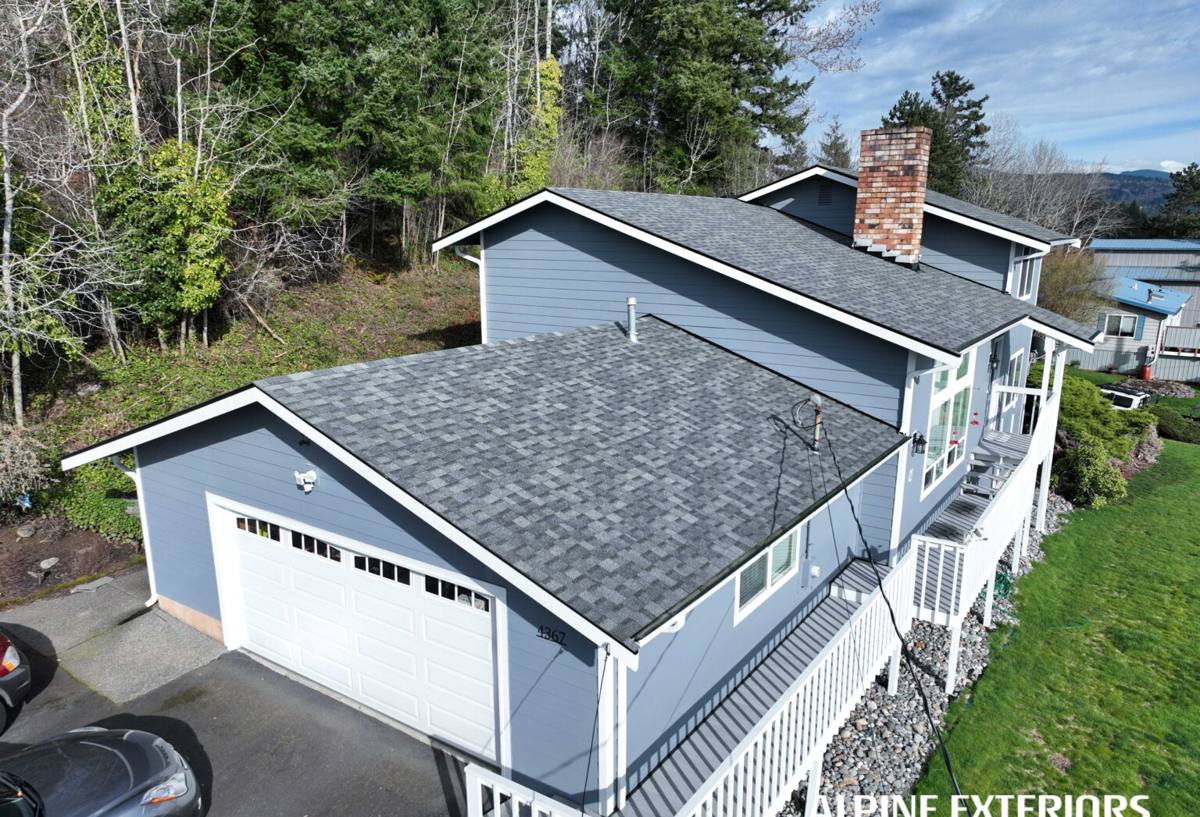
How Salt Air, Rain, and Moss Actually Damage a Roof
Salt Air
Airborne salt from the surrounding marine environment settles on roofing surfaces and accelerates corrosion on exposed metal — fasteners, flashing, vents, and any unprotected metal roofing panels. Over years, this corrosion can compromise the very components that keep water out at the seams and penetrations, which is where most roof leaks actually start.
Driving Rain
San Juan County's winter storms don't just bring volume, they bring wind-driven rain that pushes water sideways and upward under shingle edges, around chimneys, and into any flashing detail that isn't sealed correctly. A roof that would shed a straight-down rain just fine can still leak under driving rain if the underlayment and flashing weren't installed with that in mind.
Moss and Organic Growth
Shaded, tree-covered lots — common across Shaw Island — stay damp longer after every rain, which is exactly what moss and algae need to establish themselves on a roof. Moss doesn't just look bad; its root structure lifts shingle edges and holds moisture directly against the roofing material, which accelerates granule loss and rot in the decking underneath.
Signs a Shaw Island Roof Needs Replacement, Not Another Repair
- Granules collecting in gutters or at the base of downspouts, indicating the shingles are past their protective life
- Moss growth that returns within a season or two even after cleaning
- Soft spots, sagging, or visible deck movement when walked on
- Repeated leaks in different locations rather than one isolated spot
- Flashing around chimneys, skylights, or vents that's rusted, lifted, or separating from the roof plane
- Shingles curling, cracking, or losing their seal along the tab edges
- Daylight visible through the roof deck from inside the attic
- A roof approaching or past 20-25 years of age, even if it looks intact from the ground
Any one of these on its own might be a repair. Several together usually mean the roof system as a whole has reached the point where patching is just delaying a bigger, more expensive failure.
What a Correct Roof Replacement Involves
Tear-Off and Deck Inspection
A proper replacement starts with a full tear-off to bare decking, not a layover on top of existing shingles. This is the only point in the project where the plywood or sheathing underneath can actually be inspected for rot, soft spots, or moisture damage — problems that are common on older Shaw Island roofs where trapped moisture has been working on the deck for years without being visible from above. Any damaged sections get replaced before anything new goes down.
Underlayment and Ice/Water Protection
Given how much wind-driven rain this area sees, underlayment choice matters more here than in drier climates. A synthetic underlayment with self-sealing ice-and-water shield at eaves, valleys, and around every penetration gives the roof a real second line of defense if wind ever forces water past the shingle layer.
Flashing Details
Chimneys, skylights, sidewall intersections, and vent penetrations are where the large majority of roof leaks originate, not the open field of shingles. Correct flashing — properly lapped, sealed, and tied into the underlayment — is what actually keeps a roof watertight through a wet Pacific Northwest winter.
Ventilation
Balanced intake and exhaust ventilation keeps the attic space dry and temperature-regulated, which reduces condensation, extends shingle life, and limits the damp conditions that moss and rot both depend on. On heavily shaded Shaw Island lots, good ventilation is one of the most effective tools against long-term moisture damage.
Comparing Roofing Materials for Shaw Island's Climate
| Material | Salt Air Performance | Moss Resistance | Typical Lifespan | Maintenance Considerations |
|---|---|---|---|---|
| Architectural Asphalt Shingle | Good with corrosion-resistant fasteners and flashing | Fair; benefits from algae-resistant granules | 25-30 years | Periodic moss and debris removal on shaded slopes |
| Standing Seam Metal | Very good with coated, marine-rated fasteners and panels | Very good; smooth surface sheds moss easily | 40-50+ years | Higher upfront cost; fastener quality matters near salt air |
| Cedar Shake | Fair; needs regular treatment | Poor without diligent maintenance | 20-30 years with upkeep | Requires ongoing treatment and moss control in shaded areas |
| Synthetic/Composite Shingle | Good | Good | 30-50 years depending on product | Low maintenance; verify manufacturer warranty terms for coastal use |
We install a range of these systems and will walk through the honest trade-offs for your specific roof — slope, shading, budget, and how long you plan to own the home all factor into which material makes the most sense.
Cost Factors for a Shaw Island Roof Replacement
| Factor | Why It Matters Here |
|---|---|
| Roof size and complexity | More valleys, dormers, and penetrations mean more flashing labor and material |
| Existing deck condition | Rot found during tear-off requires deck repair before new roofing goes down |
| Material choice | Metal and premium synthetic products cost more upfront but need less maintenance long-term |
| Access and staging | Ferry-dependent material delivery and equipment access affect scheduling and logistics |
| Tree cover and shading | Heavier moss-prone roofs may benefit from added ventilation or algae-resistant materials |
We give straightforward, written estimates that break these factors down rather than a single vague number, so you know exactly what you're paying for and why.
Our Process for Shaw Island Projects
Working on Shaw Island means planning differently than a mainland or drive-to job. We coordinate delivery of materials and staging of equipment around the ferry schedule well before the crew arrives, so the project isn't stalled waiting on a load that missed a sailing. We also plan the work window around weather more conservatively here, since a tear-off with rain moving in and no easy way to get emergency tarping materials over quickly is not a risk worth taking.
On-site, the process follows the same disciplined order every time: protect landscaping and gutters, tear off to the deck, inspect and repair the deck, install underlayment and flashing, install the roofing material, and do a full site cleanup including a magnetic sweep for stray fasteners. You get a clear walkthrough at the end so you know exactly what was done and what to expect from the new roof going forward.
Why Local Experience on Shaw Island Matters
A crew that's worked on the island before already understands the ferry logistics, has relationships with local suppliers and haulers, and knows how differently a shaded, tree-covered lot on Shaw Island behaves compared to an open, sunny roof elsewhere in San Juan County. That experience shows up in fewer scheduling surprises, tighter project timelines, and a roof detailed correctly for the conditions it actually has to survive — not a generic installation copied from a drier, calmer climate.
It also matters for warranty support. If a flashing detail or a fastener issue ever needs attention down the road, working with a contractor who's an established, reachable presence in the county — not a crew that did one job and moved on — makes that follow-up straightforward instead of a hassle.
Caring for Your New Roof Through Moss Season
Even the right materials and installation benefit from basic upkeep. A few habits go a long way toward protecting your investment on a shaded, damp lot like the ones common on Shaw Island:
- Clear overhanging branches to reduce shade and let the roof dry out between rains
- Keep gutters clear so water isn't backing up under the roof edge
- Have moss and debris professionally removed before it establishes a foothold, rather than after it's already lifted shingle edges
- Schedule a periodic roof inspection, particularly after major windstorms, to catch flashing or fastener issues early
None of this is complicated, but it's the difference between a roof that reaches its full expected lifespan and one that needs premature attention because moisture and moss were left unaddressed.
Get a Free, No-Pressure Estimate
If your Shaw Island roof is showing its age, or you just want an honest opinion on whether repair or replacement makes more sense, we're glad to take a look and walk you through the options in plain terms. Use the form below to request a free estimate — there's no pressure and no obligation, just a straight assessment of what your roof actually needs.