 Orcas Island Siding
 Rosario's Roofs Take a Different Kind of Beating
Rosario sits right up against the water on Orcas Island's east side, which means roofs here deal with a combination most inland San Juan County homes never see: salt-laden wind off the strait, driving rain that comes in sideways during winter storms, and a moss season that runs long because the shade and dampness never really let up. Any one of those on its own is manageable. Together, over years, they wear roofs down faster than the shingle or metal warranty paperwork suggests.
Storm damage repair in Rosario isn't just about patching a hole after a bad blow. It's about understanding how salt air corrodes fasteners and flashing, how moss holds moisture against roofing material long after a storm has passed, and how wind-driven rain finds the weak points that a dry-climate roof would never expose. A repair that doesn't account for all three tends to fail again within a season or two.
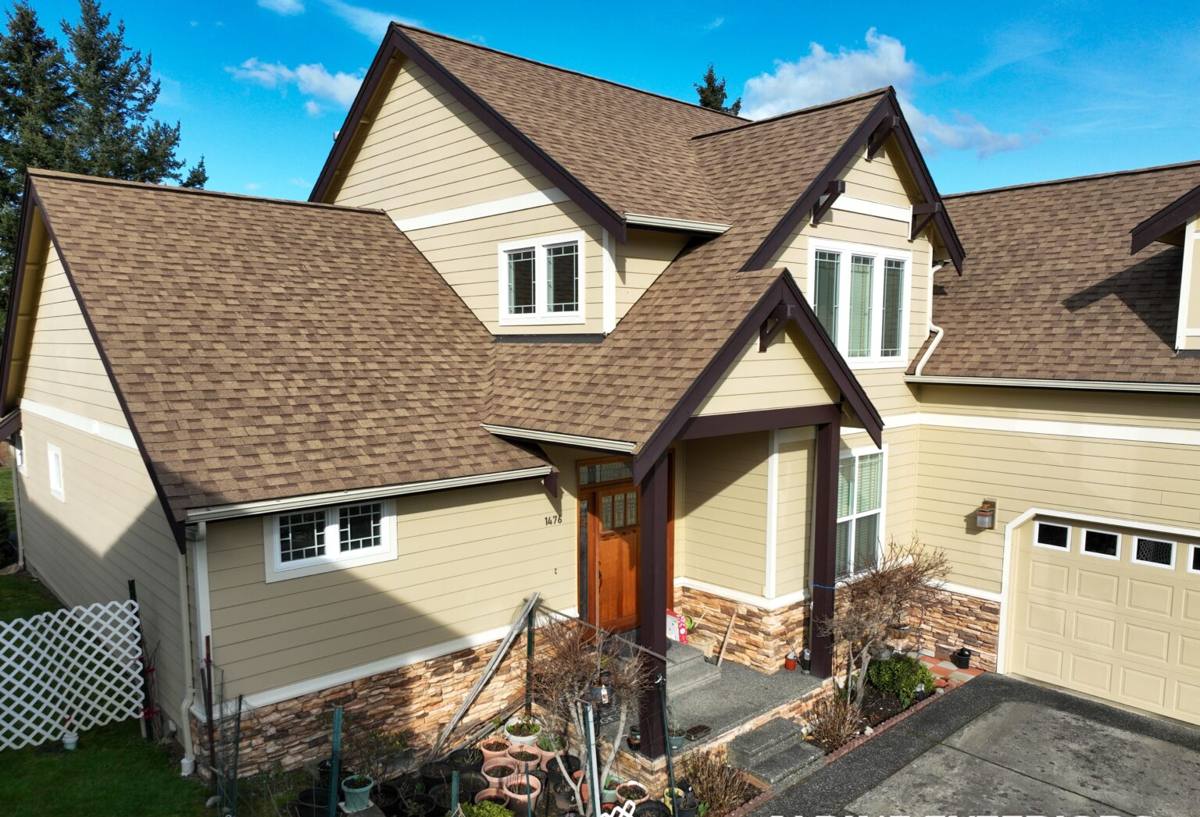
What Storm Damage Actually Looks Like on a Rosario Roof
Wind and Driving Rain
Winter storms coming off the water don't just drop rain straight down — they push it sideways under shingle edges, around chimney flashing, and into any gap that a calmer climate roof could get away with. The result is often water intrusion with no obvious missing shingle to point to. Homeowners frequently notice a ceiling stain weeks after the storm that caused it, once the water has worked its way through the decking.
Moss and Trapped Moisture
Orcas Island's tree cover and marine humidity keep moss active for most of the year, not just the wet months. Moss doesn't just look bad — it lifts shingle tabs, holds water against the roofing surface, and works its roots into asphalt granule layers. After a storm, moss mats that have already loosened shingles make it far easier for wind and rain to finish the job. A storm repair that ignores existing moss damage is patching over a problem that will resurface.
Salt Air Corrosion
Metal flashing, fasteners, gutters, and vent boots near the water corrode faster than the same materials would a few miles inland. A nail or screw that's already rusting has far less holding power in a wind event, and corroded flashing seams are where storm water finds its way in. We see this pattern often enough on Rosario roofs that it's one of the first things we check after any storm.
What a Correct Storm Repair Actually Involves
A rushed storm repair — a tarp, a few new shingles, a bead of sealant — stops the immediate leak but rarely addresses why the roof failed there in the first place. A correct repair works through the whole system:
- Full roof inspection, not just the area of visible damage — wind and moisture problems are often bigger underneath than they look from the ground
- Check of the decking under any removed shingles or panels for rot or soft spots before anything new goes down
- Inspection of flashing at chimneys, valleys, and vent penetrations for corrosion or lifted seams
- Assessment of moss coverage and cleaning where it's contributed to the damage, not just treating the storm-hit section
- Matching replacement materials to what's already on the roof so the repair doesn't stand out or create a mismatched wear pattern
- Re-fastening and re-flashing with corrosion-resistant hardware suited to a marine environment
Skipping any one of these steps is how a "fixed" roof ends up leaking again after the next storm.
Our Process for Rosario Storm Repairs
1. Inspection and Documentation
We start with a full roof assessment, including areas beyond the obvious damage. We photograph and document what we find, which matters if you're filing an insurance claim — adjusters want to see the extent of damage clearly tied to a specific storm event.
2. Temporary Protection if Needed
If a storm has left your roof exposed and more weather is coming — which on Orcas Island in the winter months is a safe bet — we'll get a temporary weatherproof cover in place before doing the permanent repair, so you're not racing the next front through.
3. The Repair
We replace damaged roofing material, correct any decking issues found underneath, re-flash where needed, and clean or treat moss in the affected area so it doesn't undo the repair. We use fasteners and flashing rated for coastal exposure, not standard-grade hardware that will start corroding again within a couple of seasons.
4. Follow-Up
After the repair, we walk the roof with you and point out anything else worth keeping an eye on — a section of moss buildup that's not urgent yet but is heading that way, or flashing elsewhere on the roof that's aging and worth planning for before it becomes a storm-damage call.
Repair or Replace? What Actually Drives That Decision
Not every storm-damaged roof needs a full replacement, and not every roof that "just needs a patch" is actually a good repair candidate. The honest answer depends on a few factors:
| Factor | Leans Toward Repair | Leans Toward Replacement |
|---|---|---|
| Age of roof | Under 10-12 years, otherwise sound | Nearing or past expected lifespan for the material |
| Extent of damage | Isolated to one section | Spread across multiple areas or slopes |
| Decking condition | Solid, no rot found underneath | Soft spots or rot found during inspection |
| Moss history | Light, manageable coverage | Heavy, long-term moss damage across the roof |
| Fastener/flashing condition | Recent hardware, minimal corrosion | Widespread corrosion from years of salt exposure |
We'll give you a straight answer on which side of that line your roof falls on — we're not going to sell a full replacement when a proper repair will genuinely hold up, and we're not going to keep patching a roof that's telling you it's done.
Materials That Actually Hold Up Near the Water
Standard fasteners and flashing are built and tested for average conditions, not for salt air a short walk from the shoreline. For Rosario repairs, we favor stainless steel or hot-dip galvanized fasteners and flashing over standard electro-galvanized hardware — the difference in corrosion resistance is significant over the life of a roof, even though the upfront cost is a bit higher. It's a trade-off we're upfront about: slightly more cost now for hardware that won't be the reason you're calling us back in three years.
The same logic applies to sealants and underlayment — marine-grade and storm-rated products cost more than the basic version, but on a roof that takes driving rain and salt exposure as a matter of course, the cheaper option tends to fail early.
Signs You Need a Storm Damage Inspection
After any significant wind or rain event, it's worth checking for these signs — or having us check, if getting on the roof yourself isn't something you want to do:
- Shingles that look lifted, curled, or are missing entirely, especially on the side of the roof facing the water
- Granules collecting in gutters or at the base of downspouts after a storm
- New or spreading ceiling stains, particularly near chimneys, valleys, or skylights
- Flashing that looks bent, separated, or visibly rusted
- Moss mats that have shifted or lifted away from the roof surface
- Any daylight visible through the attic or roof deck if you have access to check
None of these are things to wait on through another storm season. Small storm damage left alone tends to become decking damage, and decking damage is a bigger job than a roof repair.
Why It Matters That We Already Work Rosario
Getting a crew and materials to Orcas Island isn't as simple as it is on the mainland — ferry schedules, weather windows, and material logistics all factor into how fast a storm repair can actually happen. A contractor who already works this island isn't figuring that out for the first time when your roof is leaking. We know which ferry runs get us there fastest, we keep relevant materials on hand rather than ordering and waiting, and we're familiar with how Rosario's exposure to the water tends to concentrate damage on certain roof faces and details.
That local familiarity also means we're not guessing at what's normal wear versus storm damage for this area — we've seen enough Rosario roofs to know the difference between moss that's cosmetic and moss that's already compromised the roofing material underneath.
Get a Straight Assessment
If a recent storm has left you with a leak, missing shingles, or just a nagging feeling that the roof took a hit, we're glad to come take a look. The estimate is free, there's no pressure to sign anything on the spot, and you'll get an honest answer about what actually needs fixing — whether that's a straightforward repair or something bigger. Fill out the form below to get started.