 Orcas Island Siding
 Roof Repair for West Beach Homes on Orcas Island
West Beach sits right up against the marine exposure that defines the west side of Orcas Island — open water, prevailing wind, and a shoreline that pushes salt-laden air into every roof valley and vent stack on the bluff. Homes here take a different kind of beating than roofs a few miles inland in the trees: more direct wind-driven rain, more salt corrosion on metal components, and — once the canopy closes back in behind the waterfront lots — the same relentless moss season that troubles the rest of San Juan County. A roof repair here has to account for all of that, not just patch the leak that happens to be visible from the attic.
This page covers what roof repair actually means for a West Beach property: what the climate does to different roofing materials, how we diagnose a leak instead of guessing at it, what a correct repair looks like, and why a crew that already knows this stretch of the island does a better job than one seeing it for the first time.
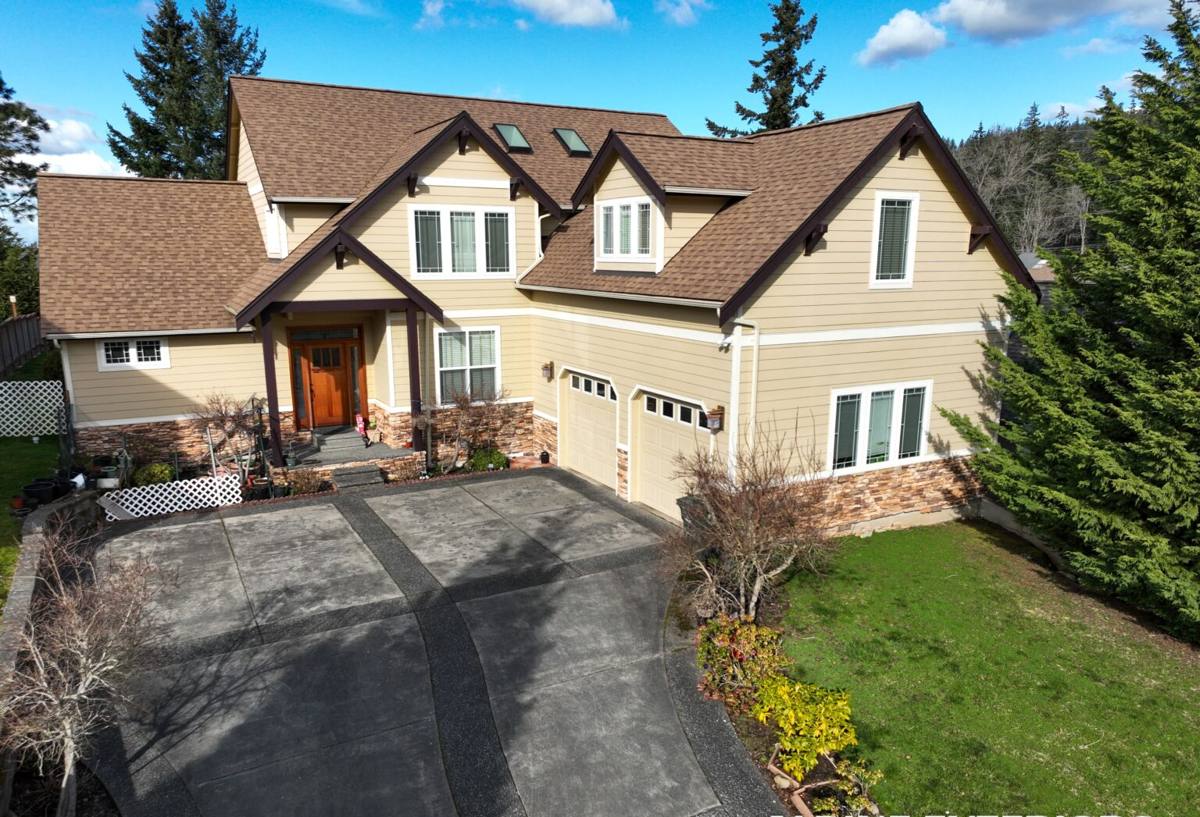
What West Beach's Climate Does to a Roof
Roof damage on Orcas Island rarely comes from one dramatic event. It's usually the slow accumulation of moisture, salt, and organic growth working on the same weak points year after year.
Salt Air and Metal Components
Properties close to the water deal with airborne salt settling on flashing, fasteners, gutters, and any exposed metal roofing. Over time that accelerates corrosion, especially on lower-grade fasteners or flashing that wasn't rated for a marine environment. A roof that would hold up fine set back in the trees can develop rust streaks and failing fasteners years earlier on an open, west-facing lot.
Driving Rain and Wind-Driven Water
West Beach gets direct exposure to weather coming off the water, and driving rain behaves differently than rain falling straight down — it gets pushed sideways and upward under shingle tabs, around vent boots, and into any flashing seam that isn't sealed tight. A roof that's never leaked in a light rain can still leak badly in a wind-driven storm because the water is attacking joints and laps from an angle the roof wasn't built to shed.
Moss, Shade, and Slow Damage
Where tree cover shades a roof — which is most of the island once you're back off the immediate waterfront — moss and moisture-loving growth take hold on north-facing slopes and anywhere debris collects. Moss holds water against the roofing material, works its way under shingle edges, and keeps the deck damp long after the rest of the roof has dried out. Left alone through a few wet seasons, that moisture retention is one of the more common reasons we find soft, rotted decking under a roof that still looks intact from the ground.
Signs a West Beach Roof Needs Repair
Most roof problems give some warning before they turn into an active leak. Worth checking for, especially after the first hard windstorm of the season:
- Granules collecting in gutters or at downspout outlets (a sign of aging or wind-stressed asphalt shingles)
- Curling, cracked, or missing shingle tabs, particularly on the west and north slopes
- Moss or dark streaking building up on shaded sections of the roof
- Rusty streaking below metal flashing, vent boots, or exposed fasteners
- Soft or spongy spots when walking the roof, or sagging visible from the ground
- Water stains on interior ceilings, especially near chimneys, skylights, or roof-wall intersections
- Daylight visible through the roof deck from inside the attic
- Gutters pulling away from the fascia or holding standing water
Any one of these on its own might just need monitoring. Two or three together, especially after a storm, is worth a proper inspection before the next round of rain gets into the deck.
What a Correct Roof Repair Involves
Diagnosing the Actual Cause
The most common mistake in roof repair isn't bad workmanship — it's fixing the spot where water showed up inside the house instead of the spot where it actually got in. Water travels along rafters, sheathing seams, and underlayment before it drips somewhere visible, so a leak over a bedroom closet might trace back to a flashing failure ten feet away. A correct repair starts with tracing the water path, not patching the ceiling stain.
Matching Materials and Technique
Repairs need to use materials compatible with what's already on the roof — matching shingle type and weight, compatible flashing metals (mixing certain metals accelerates corrosion, which matters more here given the salt exposure), and underlayment that ties properly into the existing system. A patch that doesn't match the surrounding roofing often creates a new weak point instead of fixing the old one.
Flashing and Penetrations
Most persistent leaks trace back to flashing — around chimneys, skylights, vent pipes, and roof-to-wall junctions — rather than to the field of the roof itself. These are the details that take real time to do right: proper step flashing woven with the shingle courses, correctly lapped counter-flashing, and vent boots sealed with material that will still be flexible in a few years instead of one that cracks after its first freeze-thaw cycle.
Common Roof Repair Types We Handle
| Repair Type | Typical Cause on West Beach Roofs | What's Involved |
|---|---|---|
| Flashing repair or replacement | Wind-driven rain, salt corrosion, age | Remove and replace failed flashing, re-weave with shingle courses, seal penetrations |
| Shingle replacement (spot repair) | Wind lift, granule loss, impact damage | Match existing shingle type and color where possible, tie new courses into old |
| Moss and organic growth remediation | Shade, poor airflow, debris buildup | Careful removal and treatment, plus addressing the underlying moisture retention |
| Deck/sheathing repair | Long-term moisture intrusion under moss or failed flashing | Cut out and replace rotted decking, re-flash and re-roof the repaired section |
| Gutter and edge repair | Wind stress, debris, fastener corrosion | Re-secure or replace hangers, correct pitch, reseal end caps and seams |
| Vent boot and pipe seal replacement | UV and weather aging of rubber or plastic boots | Replace with a boot rated for long-term weather exposure, reseal fasteners |
Our Process for a West Beach Roof Repair
- Inspection. We walk the roof (weather permitting) and check the attic from inside, looking for the actual water path rather than just the visible symptom.
- Honest assessment. We tell you what's actually wrong, what's a repair versus what's heading toward a bigger issue, and what we'd do in your position.
- Written scope and estimate. You get a clear description of the work and materials before anything is scheduled — no surprise add-ons once we're on the roof.
- The repair. Matching materials, proper flashing technique, and attention to the details that fail first in this environment — salt-exposed metal, wind-driven laps, and moss-prone shade areas.
- Cleanup and check-in. Debris cleared, gutters checked, and a walkthrough so you know what was done and what to keep an eye on.
Cost Factors for Roof Repair in West Beach
Every roof and every leak is different, so we don't quote a number sight unseen — but a few factors consistently drive the cost of a repair up or down:
| Factor | Effect on Cost |
|---|---|
| Size and location of the damaged area | A single flashing repair is far less than a section of replaced decking |
| Roof pitch and access | Steeper pitches and difficult access add labor time and safety setup |
| Extent of hidden water damage | Rotted decking found once shingles are pulled back adds material and time |
| Material match availability | Discontinued or specialty shingle colors can require a wider tie-in area |
| Number of penetrations involved | Chimneys, skylights, and multiple vents each add flashing work |
As a rough guide, a straightforward flashing or small shingle repair typically runs a few hundred dollars; larger repairs involving damaged decking or multiple problem areas can run into the low thousands. We'll always give you the actual number after we've seen the roof, not a guess over the phone.
Why Local Experience on Orcas Island Matters
A roof repair crew that already works West Beach and the rest of Orcas Island knows which details matter here without having to learn it on your roof. That means recognizing salt-accelerated corrosion on fasteners before it becomes a leak, knowing which slopes on a given lot are going to hold moss based on tree cover and orientation, and understanding how wind-driven rain off the water behaves differently than a straight-down downpour. It also means scheduling around San Juan County's ferry and weather realities — a mainland crew that has to catch a boat and hope the weather holds is a different proposition than a crew that's already on the island and can respond when a storm actually causes damage.
Maintenance Between Repairs
A repair fixes the immediate problem, but a few habits keep the next one from showing up as fast, especially in a moss-prone, salt-exposed environment like West Beach:
- Clear debris from valleys and gutters at least twice a year, more often under heavy tree cover
- Keep overhanging branches trimmed back to reduce shade and debris buildup
- Address moss early, before it has time to lift shingle edges and hold moisture against the deck
- Rinse or gently treat metal flashing and fasteners exposed to direct salt air
- Have the roof looked at after any major windstorm, even if nothing looks obviously wrong from the ground
If you're seeing signs of a leak, moss buildup, or storm damage on a West Beach roof, we're happy to take a look and give you a straight answer about what it actually needs — no pressure, no upsell. Use the form below to request a free estimate.