 Orcas Island Siding
 Why West Beach Takes a Harder Hit
West Beach sits open to the water, and that openness is exactly what makes it beautiful and exactly what makes roofs there work harder than roofs tucked into a sheltered cove elsewhere on Orcas Island. When a storm system moves through San Juan County, this stretch of shoreline gets the wind first and gets it straight on. Rain doesn't just fall here, it gets driven sideways under shingle edges and flashing laps that would stay dry on a calmer site. Add in the salt air coming off the water and a moss season that runs long in our wet Pacific Northwest winters, and you've got three separate stresses working on the same roof at once.
None of that means a West Beach roof is doomed to constant repairs. It means the repair work has to account for conditions a generic roofing crew from off-island may not think about, and it means small damage left alone tends to turn into bigger damage faster here than it would in a more protected spot.
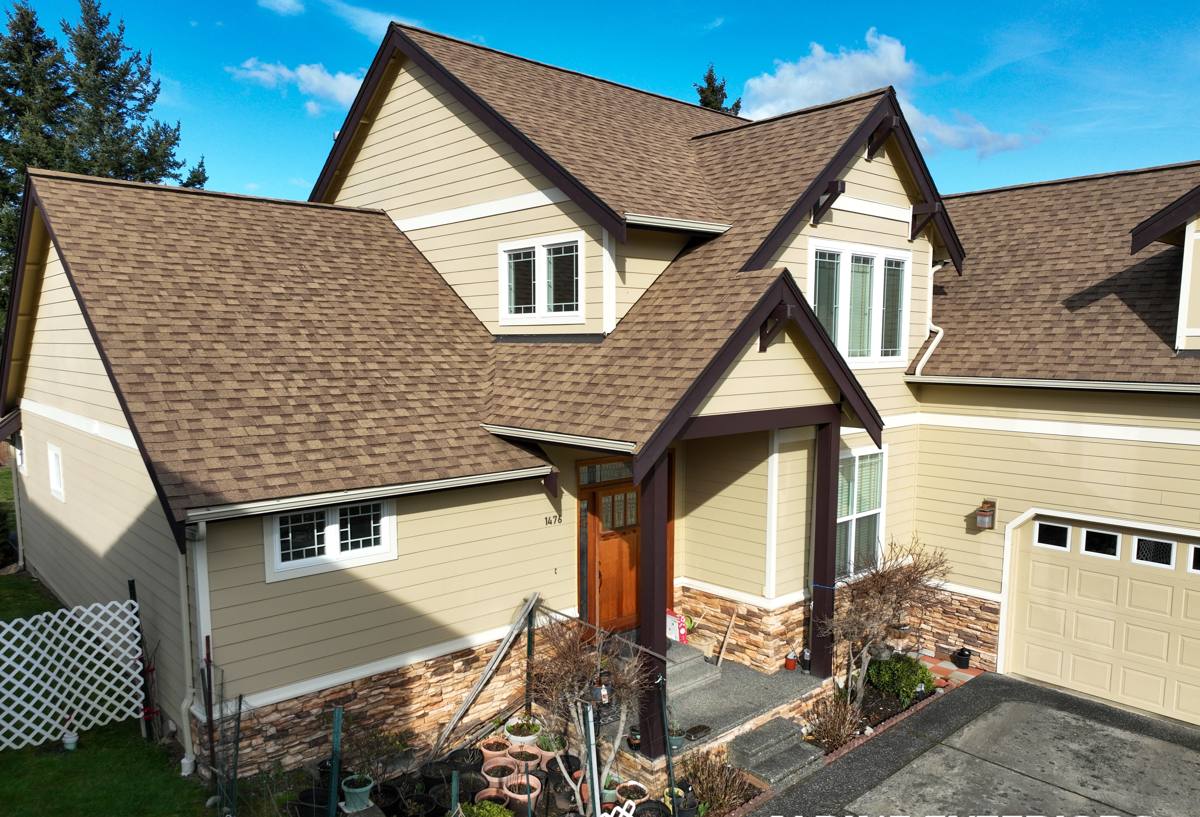
What Storm Damage Actually Looks Like on a West Beach Roof
Wind-Driven Rain and Lifted Shingles
A hard blow off the water doesn't need to tear shingles off to cause a leak. It just needs to lift an edge enough for rain to drive underneath, then it works its way along the underlayment and finds a nail hole, a seam, or a low spot on the deck. By the time you see a stain on a ceiling, the water's usually been getting in for a while.
Salt Air and Accelerated Wear
Salt spray carried on the wind settles on roofing metal and fasteners. Over years, that speeds up corrosion on flashing, valleys, and exposed fastener heads faster than it would inland. A repair that ignores this and uses standard fasteners or bare metal flashing is a repair that fails again sooner than it should.
Moss, Debris, and Trapped Moisture
Our wet season runs long, and shaded or north-facing roof sections on wooded West Beach lots can stay damp for weeks at a stretch. Moss takes hold, lifts shingle tabs as it grows, and holds moisture against the roofing material. After a storm, moss-covered areas are also where debris collects and drainage slows down, which turns a minor storm event into standing water and a slow leak.
Signs Your Roof Needs a Storm Damage Repair
Most homeowners don't get up on the roof after a storm, and you shouldn't have to. These are the signs worth a call, whether you spot them yourself or a neighbor mentions them:
- Shingles or shakes visibly out of line, curled up at the edges, or missing from a section of roof
- Granules collecting in gutters or at downspout outlets after a windy rain
- A new water stain on a ceiling or the top of an interior wall, even a small one
- Flashing around a chimney, skylight, or roof-to-wall junction that looks bent, lifted, or separated
- Damp insulation or a musty smell in the attic that wasn't there before
- Visible moss buildup with soft or sagging spots underneath it
- Debris, branches, or standing water sitting on a low-slope section after the storm passes
What a Correct Storm Damage Repair Actually Involves
Assessment Before Anything Gets Fixed
A real repair starts with figuring out where the water is actually getting in, not just patching where it's showing up inside the house. Water tracks along rafters and sheathing before it drips somewhere visible, so the stain on your ceiling and the actual entry point on the roof are often several feet apart. We check the roof surface, the flashing details, and the attic side together before deciding what needs to happen.
Matching the Existing Roofing System
A patch that doesn't match the surrounding material in type, weight, or exposure rating sticks out and can actually create a new weak point where old and new material meet. Whenever it's practical, we match the existing roofing so the repair blends in and performs the same as the rest of the roof, not differently from it.
Flashing, Underlayment, and the Parts You Can't See
Most roof leaks trace back to flashing and underlayment, not the shingles themselves. A proper storm repair replaces damaged underlayment under the affected section, not just over it, and rebuilds flashing details at valleys, walls, and penetrations correctly rather than smearing sealant over a gap and calling it done. Sealant-only fixes are common shortcuts, and they're also the most common reason a "repaired" leak comes back within a year or two.
Repair or Replace? What Actually Drives That Decision
Not every storm-damaged roof needs full replacement, and not every roof is a good candidate for another round of patching. The honest answer depends on a few things:
| Factor | Leans Toward Repair | Leans Toward Replacement |
|---|---|---|
| Age of roofing | Under roughly 60-70% of expected lifespan | Near or past its expected service life |
| Extent of damage | Isolated to one section or a few spots | Widespread across multiple roof planes |
| Underlying deck condition | Solid, dry sheathing | Soft, rotted, or repeatedly saturated deck |
| Repair history | First or second repair on this roof | Recurring leaks or repairs in the same areas |
| Material availability | Close match still manufactured | Discontinued profile or color, hard to blend |
We'll tell you honestly which side of that table your roof falls on. If a repair is the right call, we won't push a replacement, and if the deck or the roof's overall condition means a repair is just delaying the inevitable, we'll say that too, in plain terms, with the reasoning behind it.
Our Process for West Beach Storm Repairs
Getting There and Getting Eyes on It
We already schedule work along this side of Orcas Island, so getting a crew out to West Beach doesn't mean waiting on a special trip. We look at the roof, the attic, and any interior damage on the same visit whenever weather allows a safe inspection.
Documentation for Insurance
If you're filing a storm damage claim, we document the damage with photos and a written scope before any repair work starts, so you have what you need for your insurer. We're happy to walk through what we found and answer questions your adjuster may have about the roofing system.
Temporary Protection When Needed
If a section is actively leaking and full repair has to wait on materials or a weather window, we'll get it tarped or otherwise protected so the damage doesn't spread while you wait. An exposed deck during another West Beach storm can turn a shingle repair into a sheathing replacement fast.
The Repair Itself
Once we know the scope, we replace damaged roofing material, rebuild flashing where needed, and check that the repaired section ties into the surrounding roof correctly, not just cosmetically but in how water actually sheds off it in a wind-driven rain.
Materials That Hold Up on an Exposed Shoreline
For flashing and fasteners on a West Beach roof, we favor corrosion-resistant metals and hardware over standard-grade options, since the ongoing salt exposure here punishes anything undersized for the job. It's a modest cost difference upfront that pays for itself by not needing to be redone in a few years. We'll walk you through the specific options that make sense for your roof type rather than defaulting to whatever's cheapest to source.
Why a Crew That Already Works West Beach Matters
Roofing work on Orcas Island runs on a different logistics clock than work on the mainland. Materials come over on the ferry, weather windows for exterior work are shorter in the wet months, and a crew that doesn't already work this island tends to underestimate both. A contractor who's out on West Beach regularly knows how this particular exposure behaves in a storm, has the right fasteners and flashing stock on hand rather than ordering them after the fact, and can get back out quickly if a repair needs a follow-up look. That local familiarity isn't a sales pitch, it's the difference between a repair that gets planned around real conditions and one that gets planned around a generic checklist.
Keeping the Next Storm From Doing the Same Damage
A storm repair is a good moment to deal with the conditions that made the damage worse in the first place. Clearing moss and treating for regrowth keeps shingles from lifting and holding moisture through the wet season. Clean gutters and properly sloped drainage keep a heavy rain event from backing water up under roofing edges. And a quick roof check after any major windstorm, even when nothing looks obviously wrong from the ground, catches lifted edges and flashing movement before they become a leak. None of this is expensive maintenance, but skipping it on an exposed site like West Beach tends to show up as a repair bill within a season or two.
If your roof took a hit in a recent storm, or you just want an honest look at how it's holding up against the West Beach weather, we're glad to come out for a free, no-pressure estimate. Use the form below to get on the schedule.