 Orcas Island Siding
 Cascade Lake's Climate Is Tougher on Siding Than It Looks
Cascade Lake sits inland from the saltwater shoreline, but "inland" on Orcas Island still means surrounded by the Salish Sea on every side. Salt-laden air moves across the whole island with the wind, not just along the beach, and it settles on every exterior surface it touches, including siding tucked back under the trees near the lake. Add in the driving rain that blows through San Juan County in the fall and winter, plus the shade and moisture that tree cover around the lake naturally holds onto, and you have three separate stresses working on a home's exterior at once: salt, water, and organic growth.
None of that is dramatic on its own. It's the slow accumulation that causes problems — caulk that dries out and cracks a season early, paint that fails at the seams first, wood trim that softens where water sits, and moss or algae that takes hold on anything shaded and slow to dry. A siding system that isn't built for this specific combination will show it within a few years, usually right at the joints, corners, and lower courses first.
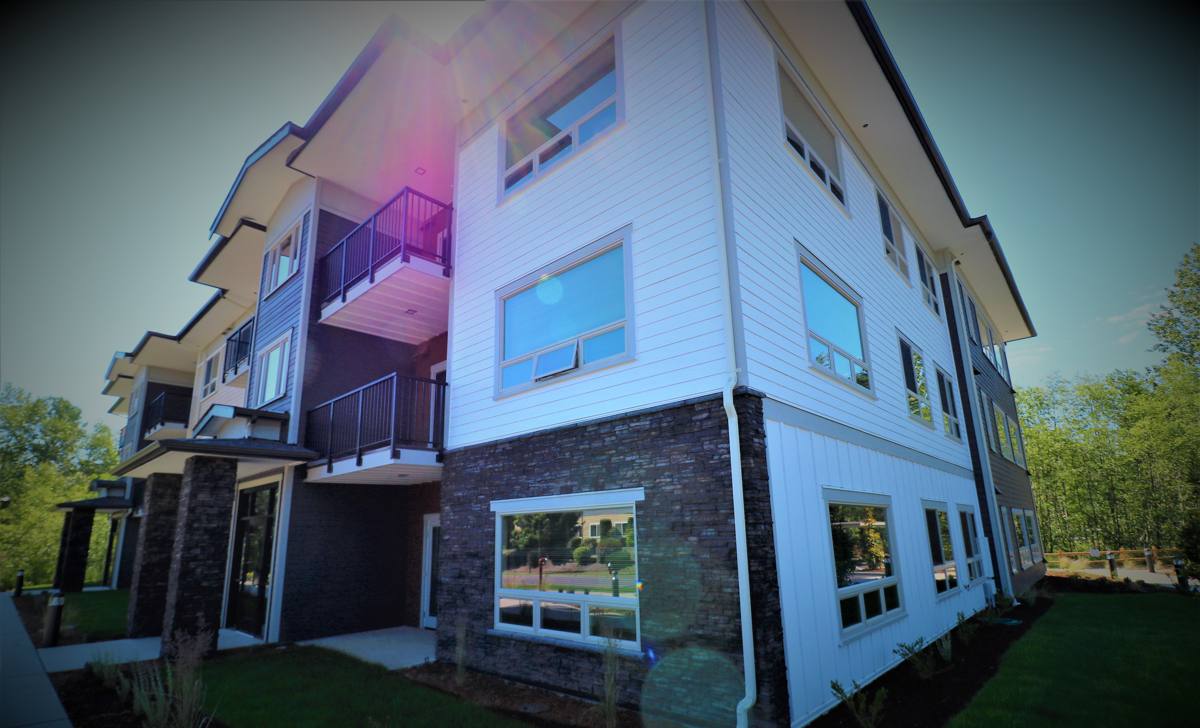
What Local Siding Actually Needs to Do
Resist Salt Without Corroding or Chalking
Airborne salt accelerates the breakdown of a lot of finishes, especially thin factory coatings and unprotected fasteners. Siding around Cascade Lake needs a finish that holds its color and integrity under repeated salt exposure, and hardware that won't streak or corrode into the face of the siding over time.
Manage Moisture, Not Just Shed It
Driving rain doesn't just hit siding — it drives water sideways and upward under laps and around trim if the assembly isn't detailed correctly. The material itself also matters: it needs to handle repeated wetting and drying cycles for decades without swelling, delaminating, or losing its shape.
Stand Up to Shade and Moss
The tree cover common around Cascade Lake keeps a lot of siding in partial shade for much of the day, which slows drying and gives moss and algae a head start. Dense, low-absorption material paired with the right paint sheen and surface texture makes a real difference in how fast growth takes hold.
Why We Install Only James Hardie Fiber Cement
We made a deliberate decision as a company to install James Hardie fiber cement exclusively — no vinyl, no LP SmartSide, no Cemplank, no Allura, no primed spruce or cedar. That's not a marketing position; it's a standard we hold ourselves to because we've seen what holds up on Orcas Island homes and what doesn't. Fiber cement is non-combustible, dimensionally stable across wet and dry cycles, and dense enough to resist the physical wear that salt air and driving rain put on a house over the decades. James Hardie's ColorPlus finish is baked on in a factory-controlled process rather than field-applied, which gives it more consistent adhesion and color retention than most site-painted alternatives — a real advantage in a climate that's hard on paint.
James Hardie also engineers different product formulations for different climate zones (its HZ5 line, for example, is built for wetter, more variable climates like ours), and backs the product with a long, transferable limited warranty when it's installed to spec. That warranty is only as good as the installation behind it, which is the other half of this page.
Choosing the Right Hardie Line for a Cascade Lake Home
Most homes around Cascade Lake do well with HardiePlank lap siding as the primary field material — it reads as a traditional lap profile, comes in a range of textures (smooth, cedarmill, beaded), and is the most field-proven option for wind-driven rain exposure. HardiePanel vertical siding works well for accent gables, shed sections, or a more modern look, and HardieShingle is an option where a homeowner wants a more textured, cottage-style elevation without the maintenance burden of real wood shingles. Trim, fascia, and soffit are typically finished out with matching HardieTrim boards so the whole envelope — not just the field siding — gets the same salt- and moisture-resistant material.
Color selection matters more here than in a drier climate. Darker ColorPlus tones show less staining from tannin runoff and airborne debris but can show moss growth in high-shade areas sooner if the surface isn't kept clear; lighter tones hide less but photograph moss growth more visibly. We walk homeowners through this trade-off based on how much shade and tree cover their specific lot actually gets.
What a Correct Installation Involves
Prep and Moisture Barrier
Everything starts with the water-resistive barrier and flashing details underneath the siding, not the siding itself. On a lake-adjacent, tree-shaded lot, we pay particular attention to sealing penetrations, wrapping windows and doors correctly, and making sure the drainage plane behind the siding actually drains instead of trapping moisture against the sheathing.
Clearances That Actually Get Followed
James Hardie's install specs call for minimum clearances from grade, roofing, and decks — commonly cited figures are 6 inches from grade and 2 inches from roofing, though the exact requirement depends on the assembly and should be checked against current Hardie documentation for the specific product and climate zone. Skipping these clearances is one of the most common causes of premature rot and moss buildup at the bottom courses of a house, and it's one of the easiest things for an inexperienced crew to shortcut.
Fastening and Joint Treatment
Corrosion-resistant fasteners, correct nailing patterns, and properly treated butt joints matter more here than in a drier inland climate, because any gap or exposed fastener becomes a spot where salt-laden moisture can work its way in over years of exposure.
Caulk, Paint, and Final Detailing
We use caulk and touch-up paint products rated for exterior, high-moisture use, and we follow James Hardie's paint and caulking guidelines so the factory finish and field touch-up actually match in performance, not just in color.
James Hardie vs. Other Siding Options for This Climate
| Factor | James Hardie Fiber Cement | Vinyl | LP SmartSide / Wood-Based | Cedar |
|---|---|---|---|---|
| Moisture behavior in driving rain | Stable when correctly installed; won't swell or delaminate | Can warp or buckle with heat/cold cycling; seams can admit water | Engineered wood core is more moisture-sensitive if edges aren't sealed | Absorbs and releases moisture constantly; needs consistent finish maintenance |
| Salt air / coastal exposure | Dense, non-organic material resists salt-driven breakdown | Can become brittle and discolor faster under salt and UV | Wood fiber content is more vulnerable to salt-accelerated decay | Natural wood, no inherent resistance to salt-driven decay |
| Moss / algae resistance in shaded areas | Dense surface, factory finish limits organic growth take-hold | Smooth but growth can still colonize seams and J-channels | Wood-based surface is more hospitable to organic growth | Naturally prone to moss and mildew without regular treatment |
| Finish/color longevity | Factory-baked ColorPlus finish, long color retention | Color is through-body but can fade and chalk over time | Field-applied finish, maintenance-dependent | Requires refinishing/staining on a recurring cycle |
| Fire resistance | Non-combustible | Combustible, can melt or deform near heat | Combustible wood-based product | Combustible |
| Warranty structure | Long, transferable limited warranty when installed to spec | Varies by manufacturer, often prorated | Varies by manufacturer | Typically no manufacturer warranty; performance depends on maintenance |
Every material on this table has a legitimate use case somewhere. We simply concluded, after years of working on island homes exposed to this specific combination of salt, rain, and shade, that fiber cement is the one that consistently holds up without demanding constant homeowner intervention.
What Affects the Cost of a Cascade Lake Siding Project
| Cost Factor | Why It Matters Here |
|---|---|
| New construction vs. re-side over existing siding | Tear-off, disposal, and sheathing repair add labor; re-siding may reveal hidden moisture damage common in this climate |
| Home size, stories, and roofline complexity | Multiple gables, dormers, and steep rooflines around lake-view homes increase cutting, flashing, and access work |
| Trim and profile choices | HardieTrim, shingle accents, and custom profiles cost more than a straightforward lap-and-trim package |
| Condition of the sheathing and moisture barrier underneath | Homes near the lake with existing moisture intrusion may need sheathing repair before new siding goes on |
| Site access and material staging | Ferry-dependent logistics and tree-lined driveways around Cascade Lake can affect delivery scheduling and staging |
| Color and finish selection | Standard ColorPlus colors vs. premium or custom finishes carry different material costs |
Our Process, Start to Finish
- On-site assessment of the existing siding, moisture barrier condition, and any rot or shade-related damage specific to your lot
- Written estimate that separates material, labor, and any sheathing or moisture repair as its own line item
- Material ordering and delivery scheduling, coordinated around ferry logistics so the project isn't held up waiting on product
- Removal of old siding (or direct application over a compliant existing surface, where appropriate) and correction of any moisture barrier or flashing issues found underneath
- Installation to current James Hardie fastening, clearance, and joint specifications
- Caulking, touch-up, and final detailing using climate-rated products
- Final walkthrough with the homeowner before we consider the job done
Keeping Your Hardie Siding Looking Right Around Cascade Lake
Fiber cement is low-maintenance compared to wood or vinyl, but "low-maintenance" doesn't mean "no maintenance," especially in a shaded, salt-exposed setting. A little routine attention keeps it looking new for the long haul:
- Rinse siding once or twice a year with a garden hose to clear salt residue and loose debris, especially on shaded elevations
- Trim back tree branches and shrubs that keep siding damp or in constant shade
- Check caulk lines at trim, windows, and joints annually and have any cracked or missing caulk redone promptly
- Address any moss or algae growth early with a gentle wash rather than letting it establish and spread
- Keep gutters and downspouts clear so water isn't sheeting down the siding face during heavy rain
- Watch clearances at grade and decks over time — mulch, soil, or snow buildup can creep above the minimum clearance and should be cleared back
Why local, island-based experience matters here: a crew that only occasionally works on Orcas Island doesn't have the same working knowledge of how a shaded, lake-adjacent lot behaves differently than a beachfront or open-field property a mile away, or how to schedule materials and crews around ferry logistics without delays. We work this island regularly, which means we've already seen how these specific conditions play out on homes like yours, and we plan around it instead of learning it on your project.
If you're weighing a siding project for a home near Cascade Lake, we're happy to take a look and walk through what your specific lot needs. Reach out for a free, no-pressure estimate using the form below.