 Orcas Island Siding
 Building Decks for West Sound's Particular Climate
West Sound sits close enough to the water that salt air is a daily fact of life, not an occasional nuisance. Add San Juan County's long wet season, driving rain off the sound, and months of low winter sun that never quite dries out a north-facing deck, and you have a set of conditions that will find every weak point in a poorly built structure. A deck that would hold up fine inland can fail early here — not because the crew did bad work by general standards, but because they didn't build for this specific combination of salt, moisture, and shade.
We build decks for homes around West Sound with those conditions in mind from the first design conversation, not as an afterthought once the framing is already up.
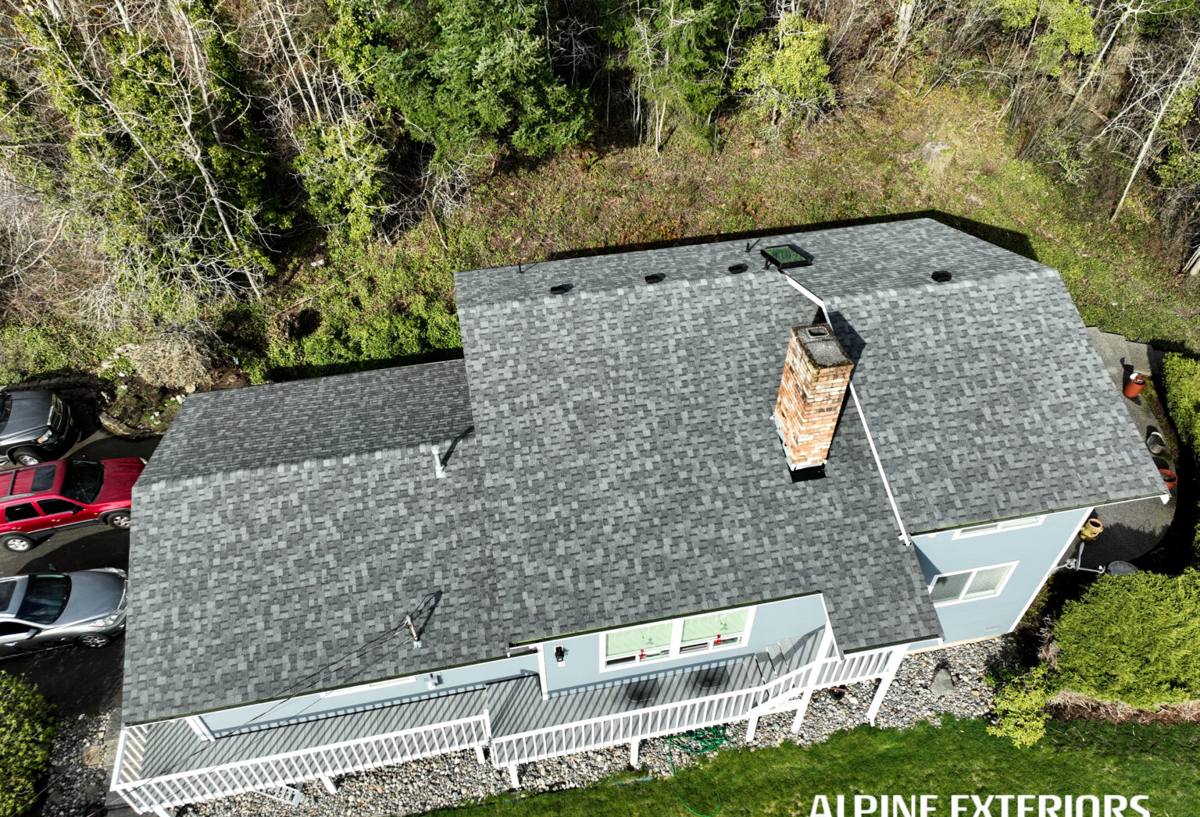
What Salt Air and Moss Season Actually Do to a Deck
It helps to understand the failure points before talking about how to prevent them:
- Fasteners corrode from the inside out. Standard exterior screws and nails can start rusting within a few seasons in a salt-air environment, staining the decking and eventually losing their grip in the framing.
- Moss and algae hold moisture against wood. Once moss establishes on a shaded or poorly-drained deck surface, it keeps the boards damp far longer than rain alone would, accelerating rot underneath even when the surface looks fine.
- Ledger connections take on water. The point where a deck attaches to the house is the single most common source of hidden rot, and driving rain pushes water into any gap in the flashing detail.
- End grain soaks up water fastest. Cut ends of boards, especially on wood decking, are the first place moisture gets in and the last place it dries out.
None of this means a good deck is impossible here — it means the fastener spec, the flashing detail, and the drainage plan all have to match the environment, not just the budget.
Choosing the Right Decking Material for West Sound
There's no single "best" decking material — there's a best material for a given budget, sun exposure, and maintenance appetite. Here's how the common options actually perform in a marine, moss-prone climate like this one:
| Material | How it handles salt air & moisture | Moss resistance | Maintenance |
|---|---|---|---|
| Pressure-treated wood | Good if fasteners and hardware are matched to treated lumber; needs regular sealing | Low — needs cleaning to stay moss-free | Highest — sealing every 1-2 years |
| Cedar | Naturally rot-resistant but still needs finish maintenance near salt air | Low to moderate | High — finish upkeep to hold color and resist moisture |
| Capped composite | Excellent — the cap sheds water and resists salt staining | High — smooth cap sheds moss spores better than open-grain wood | Low — occasional washing |
| PVC decking | Excellent — fully synthetic, no wood fibers to absorb moisture | High | Low |
Composite and PVC cost more up front, but for a deck that sits under trees or gets heavy shade for part of the day — common around West Sound — the lower maintenance burden and moss resistance often make up the difference over the life of the deck. Wood is still a legitimate choice for homeowners who want that look and are willing to keep up with sealing; we'll tell you honestly which category fits your site and your maintenance plans, rather than pushing the highest-margin product.
Fasteners and Hardware Matter as Much as the Decking
Whatever decking material you choose, the fasteners and structural hardware need to be rated for coastal or treated-lumber use — stainless steel or heavy-duty coated fasteners, not standard galvanized. This is one of the most common corners cut on lower-bid deck jobs, and it's invisible until the fasteners start bleeding rust through the decking or losing hold in a few years.
What's Under the Boards Matters Most
The decking surface is what you see, but the framing underneath determines how long the deck actually lasts. For West Sound conditions, that means:
- Proper ledger flashing where the deck ties into the house, sealed to shed water away from the wall assembly rather than trapping it.
- Joist tape or an equivalent protective barrier on top of the joists, so standing water doesn't sit directly on cut lumber.
- Corrosion-resistant joist hangers and structural screws sized correctly for the load, not just whatever's cheapest at the yard.
- Footings set to the frost depth and bearing requirements for the site, since ground conditions around Orcas Island can vary block to block.
A deck that looks great for the first photo but was framed with mismatched hardware or skipped flashing detail is the kind of job that turns into a rebuild in five to eight years instead of holding up for twenty-five or more.
Drainage, Airflow, and Keeping Moss From Taking Hold
Moss doesn't grow because a deck is "old" — it grows because moisture sits somewhere long enough to let it establish. Good deck design fights that on multiple fronts:
- Board spacing: Correct gapping between boards lets water pass through instead of pooling on the surface.
- Under-deck airflow: Skirting and understructure design should allow air to move underneath rather than sealing in a damp, shaded cavity.
- Grading and drainage below: Water shed off the deck needs somewhere to go that isn't back toward the house foundation.
- Sun exposure planning: Where the site allows it, orienting or trimming back overhanging growth that keeps a deck in permanent shade cuts down on moss substantially.
We factor all of this into the framing and layout stage, not as an add-on after the deck is built.
Our Deck Building Process
The process is straightforward, but each step is where the details above actually get decided:
- Site walk and design conversation. We look at sun exposure, drainage, tree cover, and how the deck connects to the house, and talk through material options against your budget and maintenance preferences.
- Permitting. Deck permitting requirements depend on size, height, and location relative to setbacks, so we confirm what San Juan County requires for your specific project before work starts.
- Framing built to the site. Footings, ledger flashing, joist protection, and corrosion-resistant hardware are specified for a marine climate, not a generic inland spec.
- Decking installation. Boards are installed with correct spacing and fastening for the chosen material, with attention to drainage and airflow underneath.
- Final walkthrough. We go over the finished deck with you, including what maintenance (if any) the material you chose will need going forward.
Permits and Setbacks in San Juan County
Deck projects on Orcas Island typically need to account for shoreline setbacks, height limits, and lot-specific zoning depending on where the home sits — this is especially relevant for waterfront and near-waterfront West Sound properties, where shoreline regulations can be more involved than a standard inland build. We handle the permitting conversation with the county as part of the project so you're not left guessing whether your deck is compliant.
Maintenance Checklist for a West Sound Deck
Whatever material you choose, a few habits go a long way in this climate:
- Sweep debris and standing leaves off the deck regularly, especially in fall and through moss season.
- Check the ledger flashing and any wall connection point once a year for signs of water staining.
- Rinse or lightly scrub composite and PVC decking a couple of times a year to prevent surface algae film from building up.
- Reseal wood decking and railings on the schedule the manufacturer recommends — don't wait for visible graying to reapply finish.
- Inspect fasteners and hardware periodically for rust bleed, especially near the waterline of any nearby shoreline exposure.
- Trim back overhanging branches that keep sections of the deck in constant shade.
Why Hire a Crew That Already Works West Sound
Deck framing that works fine in a drier, inland climate can be under-built for what West Sound throws at it. A crew that already works this area knows which fastener grade holds up, which ledger detail actually keeps water out in a driving rain, and which decking materials are worth the extra cost given how much shade and moss pressure a specific lot gets. That local pattern-recognition is the difference between a deck that needs attention in year six and one that's still solid at year twenty-five.
If you're planning a new deck or replacing one that's showing its age, we're happy to walk the site with you and talk through honest options for your budget and your property. Reach out for a free, no-pressure estimate using the form below.