 Orcas Island Siding
 Deck Repair for Lopez Island Homes
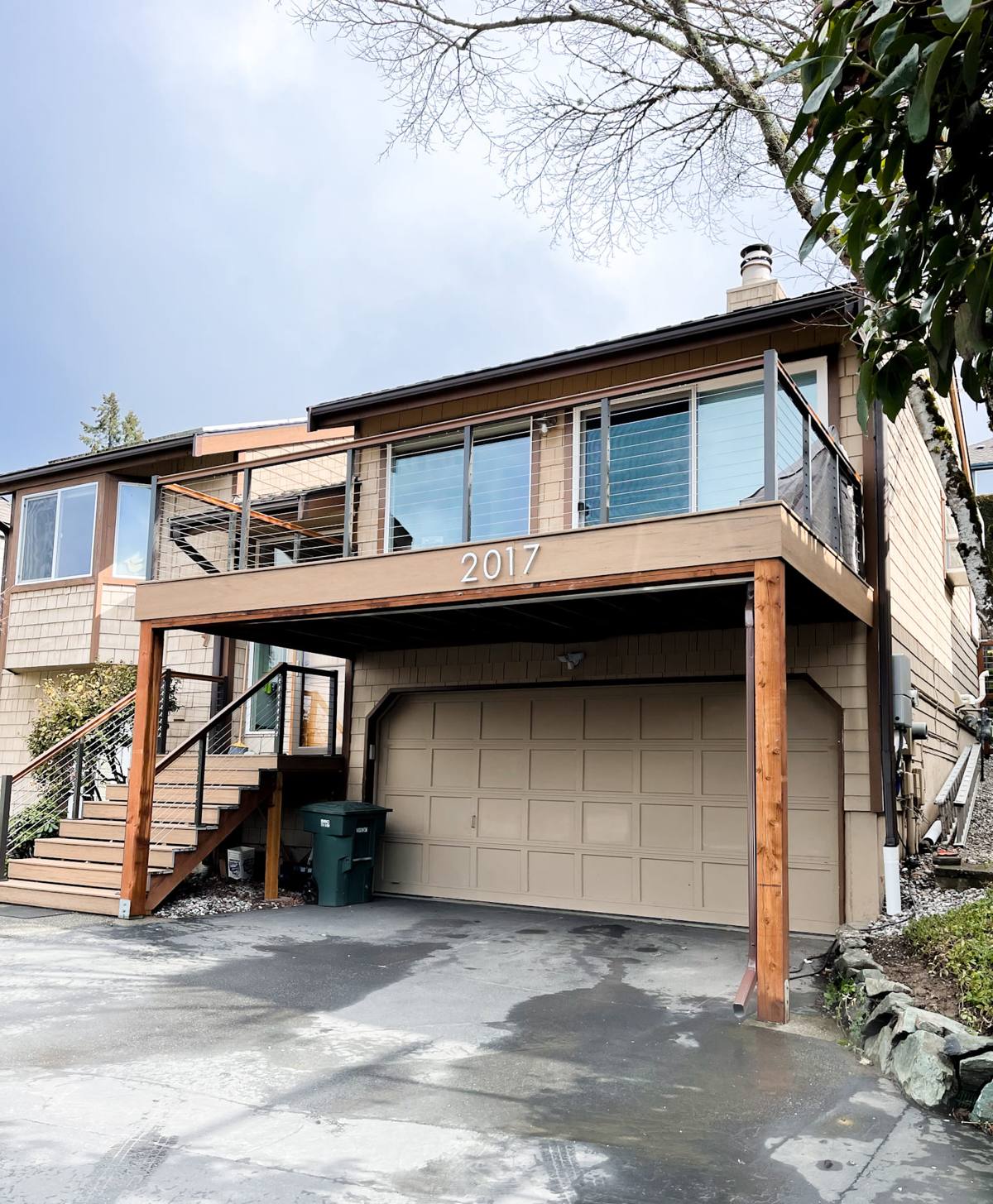
Lopez Island decks live a harder life than most people realize until they're down on their knees checking the joists. Between salt-laden air blowing off the water, long stretches of driving rain through the fall and winter, and a moss season that can run half the year in shaded spots, a deck out here ages faster than the same structure would inland. We're an Orcas Island-based crew that works throughout San Juan County, including regular trips over to Lopez Island for repair work, and we've seen firsthand what this climate does to decking, framing, and hardware over time.
This page is about deck repair specifically — not new builds, not full replacements unless that's genuinely the right call. Most decks we're called out to see don't need to be torn out. They need honest diagnosis, the right fasteners and flashing details, and repair work done by someone who understands why the damage happened in the first place. Fix the symptom without addressing the cause and you're paying for the same repair again in a few years.
What Salt Air, Rain, and Moss Actually Do to a Deck
It helps to understand the mechanics of deck failure out here, because it changes how a repair should be done.
Salt Air and Metal Fasteners
Airborne salt accelerates corrosion on any fastener, bracket, or connector that isn't rated for it. Standard interior-grade screws and nails will rust, weep stains into the wood around them, and eventually lose holding strength. Once a fastener corrodes enough, the wood around it loosens, water gets into that gap, and rot follows. A lot of "the deck feels spongy" calls trace back to failed fasteners more than failed wood.
Driving Rain and Water Intrusion
San Juan County gets long stretches of steady, wind-driven rain rather than short heavy downpours. That pattern is tough on decks because water gets pushed sideways into joints, ledger connections, and end grain that a straight-down rain would never reach. End grain — the cut ends of boards and joists — soaks up water far faster than the flat face of the wood, which is why deck boards so often rot first at the ends and near the house connection.
Moss and Trapped Moisture
Shaded decks, or decks under tree cover, grow moss on the surface and in board gaps. Moss holds moisture against the wood constantly, not just when it's raining, which keeps the deck surface damp far longer than it should be. Over a season or two, that constant dampness breaks down wood fiber and creates a surface that's slick and unsafe underfoot, on top of the structural concern.
Common Deck Problems We Find on Lopez Island
- Soft or spongy decking boards — usually rot starting at fastener points or board ends
- Rusted or failing fasteners and joist hangers — especially on decks built with standard hardware instead of coastal-rated connectors
- Ledger board separation or rot — where the deck attaches to the house, often the most serious issue because it's a structural connection
- Railing posts loose at the base — moisture works into post bases and the connection weakens over years
- Moss and algae buildup — a maintenance issue that becomes a structural one if ignored
- Stair stringer wear — stairs take more direct weather exposure and foot traffic than the deck field
- Failed or missing flashing at the ledger, which lets water behind the board instead of shedding it away from the house
Repair or Replace? How We Make That Call
Not every damaged board means the whole deck is compromised, and not every deck that looks rough is actually a repair candidate. We look at the framing first, because that's what determines whether repair is even the responsible option.
| Factor | Usually a Repair | Usually Points to Replacement |
|---|---|---|
| Framing / joists | Solid, no soft spots when probed | Widespread soft or crumbling wood at multiple joists |
| Ledger connection | Sound, properly flashed | Rot at the ledger or evidence of past water intrusion behind it |
| Decking boards | Isolated soft or damaged boards | Most of the surface shows rot, cupping, or fastener failure |
| Railings and posts | Loose hardware, minor surface wear | Post bases rotted through or railing no longer meets code height/spacing |
| Age of structure | Under 15-20 years with good framing | Older structure with cumulative damage across several systems |
When the framing is sound, targeted repair is almost always the better value — you're not paying to rebuild what's already working. When the framing itself is failing, patching the surface just delays a bigger problem and puts money into a deck that isn't safe underneath.
What a Correct Deck Repair Involves
A repair that actually holds up out here isn't just swapping a bad board for a new one. Here's what we check and address on a typical Lopez Island repair call:
- Full inspection from underneath — probing joists, beams, and the ledger connection for soft spots, not just a surface walkthrough
- Diagnosing the moisture source — is water getting in from missing flashing, a gap in the ledger seal, poor drainage, or moss holding moisture at the surface
- Removing and replacing only the compromised material — matching board profile and thickness so the repair sits flush
- Upgrading fasteners and hardware to coastal-rated stainless or hot-dip galvanized where the originals were standard-grade and contributed to the failure
- Correcting flashing and drainage details at the ledger and any other water entry points found during inspection
- Checking railings for code-compliant height and baluster spacing while hardware is already being addressed
- Final check for even, secure footing across the repaired area — no proud fasteners, no board movement
Skipping the diagnosis step is the most common shortcut in deck repair, and it's why some repairs fail again within a couple of years. Replacing a rotten board without fixing what let water in just restarts the clock on the same spot.
Decking Materials: What Holds Up and What to Weigh
When boards need full replacement rather than spot repair, material choice matters more on Lopez Island than it would in a drier climate.
Wood Decking
Cedar and pressure-treated lumber are common choices and can perform well here, but they require consistent maintenance — cleaning, sealing, and re-staining on a regular cycle — to keep moisture from taking hold, especially in shaded or moss-prone areas. Skipping that maintenance is where wood decks lose ground fastest in this climate.
Composite Decking
Composite boards resist rot and don't need staining, which appeals to a lot of homeowners dealing with our wet season. The trade-off is that composite still needs regular cleaning to keep moss and algae from taking hold on the surface, and the framing underneath is still typically wood, so the structural moisture concerns don't go away just because the decking material changed. We're upfront about that rather than overselling composite as maintenance-free — it isn't, it just shifts what the maintenance looks like.
Our Approach to Material Recommendations
We don't push one product line as the answer for every deck. The right call depends on your budget, how much upkeep you want to take on, how shaded the deck is, and what condition the existing framing is in. We'll walk through the honest trade-offs with you rather than steering you toward whatever's easiest for us to install.
How Our Process Works for Lopez Island Jobs
Working across the water islands means we plan differently than a mainland contractor would. We schedule Lopez Island repair visits so the inspection, material sourcing, and repair work are coordinated efficiently — we're not making separate trips for things that can be handled in one planned visit. That matters for cost as much as convenience: unnecessary back-and-forth trips get built into a bid whether you see them or not.
Because we work San Juan County regularly rather than treating it as a one-off job site, we already know the freight and ferry logistics for getting materials over, and we plan repair timelines around that instead of leaving you guessing about a schedule.
Simple Homeowner Maintenance Checklist Between Professional Inspections
- Sweep debris and standing leaves off the deck surface regularly, especially in fall
- Clean moss and algae off boards before it spreads, using a deck-safe cleaner rather than a pressure washer alone
- Check railing posts by hand for looseness once or twice a year
- Look underneath the deck occasionally for staining, soft wood, or rusted hardware
- Keep gutters and downspouts near the deck clear so runoff isn't draining onto or under it
- Re-seal or re-stain wood decking on the manufacturer's recommended cycle, not just when it looks faded
Why a Crew That Already Works Lopez Island Matters
Deck repair done by someone unfamiliar with island conditions tends to miss the details that actually matter here — using standard hardware instead of coastal-rated fasteners, missing a flashing gap because it's not the first thing they'd check on a mainland job, or underestimating how fast moss returns in a shaded corner. Those aren't exotic problems, but they're specific to this environment, and a crew that works San Juan County regularly catches them because it's routine, not a surprise.
There's also the practical side: knowing how to plan a materials run, understanding realistic scheduling around ferry logistics, and having already seen how a particular style of construction common on the islands tends to age. That local familiarity generally means fewer surprises mid-project and a repair that's sized correctly to the actual problem the first time.
Get an Honest Look at Your Deck
If your Lopez Island deck has soft spots, loose railings, moss buildup, or just feels less solid than it used to, we're glad to come take a look and give you a straight answer about what it actually needs. There's no pressure and no obligation — just a clear assessment from a crew that already knows this climate. Use the form below to request a free estimate.