 Orcas Island Siding
 Siding Built for Life in the San Juan Islands
Lopez Village homes deal with a version of the Pacific Northwest climate that most mainland siding crews never have to think about. Add saltwater proximity, near-constant marine moisture, and long stretches of shade and cover that never quite dry out, and you get a set of conditions that will find every weakness in a siding system within a few winters. We install James Hardie fiber cement siding exclusively, and this page is about what that means specifically for a home in this community — not a generic rundown of what Hardie is everywhere else.
If you're weighing a siding replacement or repair here, the material matters less than most homeowners assume — installation detailing is what actually determines whether a siding job holds up on an island property. We'll cover both: why Hardie is the right base material for this climate, and what a correctly detailed installation looks like so you know what to expect and what to ask any contractor you're considering.
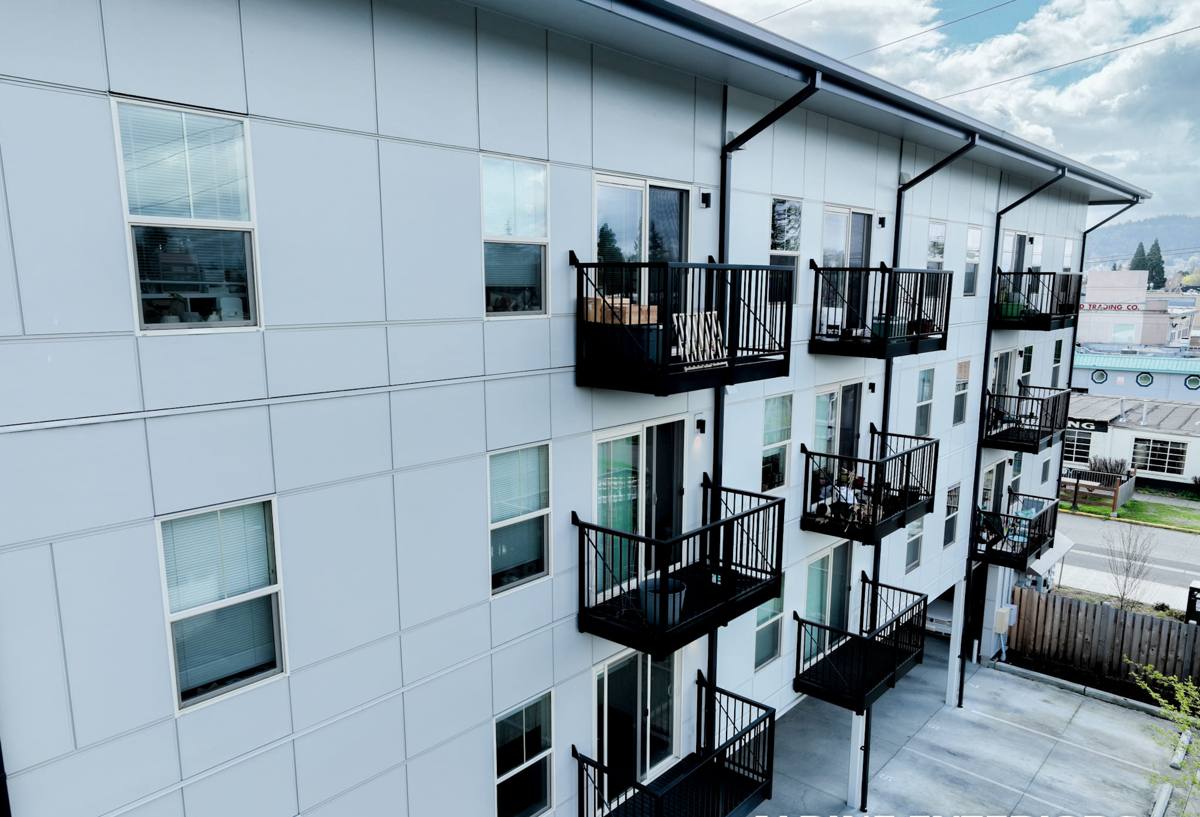
Salt Air, Driving Rain, and Moss — What Local Siding Is Up Against
Three environmental factors do most of the damage to siding in this part of San Juan County, and they compound each other.
Salt Air
Airborne salt is corrosive to metal fasteners, flashing, and trim, and it accelerates the breakdown of paint films on wood and engineered wood products. Over years, salt exposure works into seams and fastener heads faster than it would inland, which is why fastener choice and flashing details matter more here than in a drier, saltless climate.
Driving Rain
Wind-driven rain doesn't just fall on siding, it gets pushed sideways and upward into laps, corners, and penetrations. A siding system that relies on caulk alone to keep water out will eventually fail here — water management has to be built into the assembly itself, not painted over the top of it.
Moss and Sustained Moisture
Long wet seasons and shaded lots mean moss, algae, and lichen get a real foothold on north-facing walls and anything that stays damp for extended periods. Siding materials that absorb moisture swell, cup, and eventually rot from the inside; materials that shed water and dry quickly hold up far longer under the same conditions.
Why We Standardized on James Hardie for Island Homes
We made a deliberate choice years back to install only James Hardie fiber cement siding — no vinyl, no LP SmartSide, no cedar, no primed spruce. That's not a marketing position, it's a maintenance and durability call based on what actually survives this climate without constant upkeep.
Fiber cement is made from cellulose fiber, sand, and cement, which means it doesn't absorb and swell with moisture the way wood-based products can, and it won't soften or rot the way untreated wood eventually does under sustained dampness. It's also non-combustible, which matters given the wildfire risk that reaches even coastal Washington in dry summer stretches. Hardie's ColorPlus factory-applied finish is baked on under controlled conditions rather than field-applied, which gives it more consistent adhesion and UV resistance than a job-site paint job — a real advantage on a material that's going to sit through salt exposure and long UV seasons.
Hardie also builds specific product lines engineered for different climate zones. That climate engineering is exactly the kind of detail that matters for a marine, high-moisture location — a siding product with the right factory-engineered climate rating for driving rain and cold-weather exposure holds up differently than a generic all-purpose board.
What a Correct James Hardie Installation Actually Involves
The siding itself is only part of the system. Most premature siding failures we get called out to inspect — regardless of brand — trace back to installation shortcuts, not the material. Here's what correct detailing looks like on a home exposed to salt air and driving rain.
Flashing and Water Management
Every window, door, and penetration needs proper head flashing and a drainage plane behind the siding so any water that does get past the surface has somewhere to go besides the wall sheathing. On a property exposed to wind-driven rain, this is not optional detailing — it's the difference between siding that lasts decades and siding that hides rot behind it for years before anyone notices.
Fastening and Clearances
Hardie specifies fastener type, spacing, and penetration depth for a reason — under- or over-driven nails compromise the plank's ability to move slightly with temperature and humidity changes. We also hold correct clearance between siding and grade, decks, roofing, and other surfaces so water doesn't wick up into the bottom edge of the boards, which is one of the more common failure points we see on older installations in wet climates.
Joints, Caulking, and Finish
Butt joints get properly flashed or backed rather than just caulked and hoped for. Cut edges get sealed with the correct touch-up product to protect the factory finish at every field cut, since an unsealed cut edge is a moisture entry point that undermines the whole point of a factory-finished product.
How Our Process Works, Start to Finish
We keep the process straightforward and communicate what we're finding as we go, since most homeowners have never had their walls opened up before and want to know what's actually happening behind the old siding.
- Assessment and estimate: We walk the exterior, look at existing siding condition, trim, window flashing, and any visible moisture or moss patterns, and put together a written scope and estimate.
- Prep and inspection: Once old siding comes off, we inspect the sheathing and framing underneath for hidden rot or moisture damage before anything new goes up — this is often where problems that weren't visible from outside get found.
- Weather barrier and flashing: We install or repair the drainage plane and flashing details at every window, door, and penetration before a single piece of siding goes on.
- Installation: Hardie planks or panels go up to manufacturer fastening and clearance specifications, with attention to butt joints, corners, and trim details.
- Final walkthrough: We review the finished work with you, point out anything worth knowing for future maintenance, and make sure you have the paperwork for your warranty coverage.
Hardie Compared to Other Siding Options in a Marine Climate
We get asked fairly often why we don't offer a cheaper alternative alongside Hardie. Here's an honest, general comparison of how common siding materials tend to perform under the salt air, rain, and moss conditions typical of this area.
| Material | Moisture and Salt Behavior | Typical Maintenance |
|---|---|---|
| James Hardie fiber cement | Doesn't absorb moisture or swell; factory finish resists UV and salt exposure | Occasional washing; repaint interval is long due to factory finish |
| Vinyl siding | Doesn't rot, but can warp, fade, and become brittle with UV and temperature swings; seams can allow water intrusion behind the panel | Low, but panels are hard to repair invisibly if damaged |
| LP SmartSide / engineered wood | Wood-strand core is more moisture-sensitive than fiber cement; edge sealing and caulk maintenance are critical to prevent swelling | Requires diligent caulk and edge inspection, especially in wet climates |
| Untreated or primed wood/cedar | Absorbs moisture, prone to rot and moss growth in shaded, damp conditions without regular upkeep | Regular repainting or staining and moisture monitoring |
None of these materials are automatically a bad choice everywhere — but in a climate that combines salt air, sustained wet seasons, and shade-driven moss growth, the products that depend most on an intact caulk line or field-applied paint job tend to show problems soonest. That's the trade-off we weren't willing to keep installing.
Keeping Island-Installed Siding Looking Right
Hardie siding is genuinely low-maintenance compared to wood-based alternatives, but "low-maintenance" doesn't mean "no maintenance," especially this close to salt water. A short annual routine goes a long way.
- Rinse siding with a garden hose once or twice a year to clear salt residue, especially on walls facing open water or prevailing wind
- Check north-facing and shaded walls for early moss or algae growth and clean it gently before it takes hold
- Inspect caulking at trim, window, and door joints annually and touch up if it's cracked or pulling away
- Keep gutters clear so overflow doesn't run down the siding face repeatedly in one spot
- Trim back vegetation that keeps a wall section shaded and damp longer than the rest of the house
- Have any visible fastener corrosion or panel movement looked at promptly rather than waiting for the next full inspection
Why a Crew That Already Works Lopez Village Matters
Island work has logistics that mainland jobs don't. Material deliveries have to be planned around ferry schedules, weather windows for exterior work are tighter, and getting a crew back out for a warranty follow-up or a minor repair is a much bigger deal if that crew doesn't already have a presence in the islands. A contractor who routinely works Lopez Village and the surrounding San Juan Islands community has already solved the freight and scheduling problems that can otherwise turn a simple siding job into a logistical headache.
There's also a practical trust factor. Island homeowners talk to each other, and a crew that's done work here before has a track record neighbors can actually see rather than just hear about. When you're trusting someone to open up your walls and put a 30-plus-year exterior product on your home, that local accountability is worth something a traveling crew from off-island can't offer.
Product Lines and Getting the Right Fit for Your Home
James Hardie doesn't make one universal product — it offers different plank profiles, panel styles, and trim options, along with climate-engineered product lines built for different exposure levels. Picking the right combination for a specific home depends on wall orientation, exposure to wind and salt spray, existing trim details, and the look you're going for. This is a conversation worth having in person rather than guessing from a brochure, since the right spec for a wall that takes direct weather off the water is different from a sheltered wall on the same house.
If your current siding is showing early signs of trouble — cracking, soft spots, persistent moss, paint that won't hold — it's worth having it looked at before small problems turn into sheathing damage. And if you're building new or planning a full re-side, it's worth getting the water management details right the first time rather than fixing them later.
If you'd like an honest look at your home's siding and a straightforward estimate, we're happy to come out and walk the property with you — no pressure, no sales script, just a clear picture of what your home needs and what it would take to do the job right. Use the form below to get in touch.