 Orcas Island Siding
 Building New in Doe Bay? The Window Install Matters as Much as the Window
If you're framing a new home or a major addition on the east side of Orcas Island near Doe Bay, the windows you choose get a lot of attention. The install method they go in with gets almost none — and it's the part that determines whether those windows are still performing in fifteen years or leaking behind the trim in five. New-construction windows are built and installed differently than replacement windows, and on a shoreline-adjacent property in San Juan County, getting that sequence right the first time matters more than it does almost anywhere else in Western Washington.
We install new-construction windows as part of the building envelope, working alongside framers, siding crews, and sometimes general contractors on new builds throughout Orcas Island, with regular work in and around Doe Bay. This page covers what that job actually involves, what the local climate asks of it, and what to look for in whoever ends up doing it.
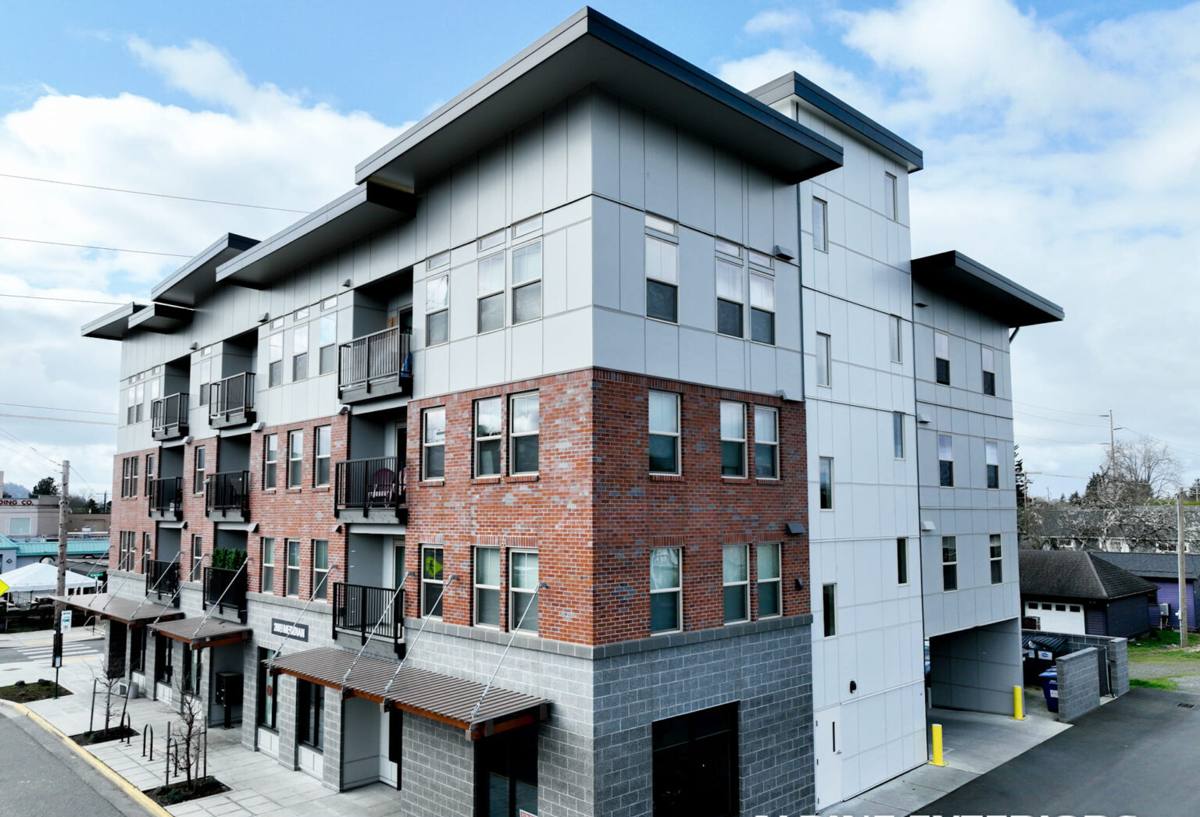
New-Construction vs. Replacement: Not the Same Job
Homeowners sometimes assume any window installer can do either job. In practice, the two are different trades wearing the same name.
- Replacement windows are built without a nailing flange and are inserted into an existing, already-flashed opening — the old frame often stays in place as the mounting surface.
- New-construction windows have a nailing fin around the perimeter and are installed into a bare rough opening, before siding goes on, as part of the wall's water-management system — housewrap, flashing tape, sill pans, and sealants all have to integrate with the window at the same time.
On a new build, there's no old frame to fall back on if the flashing sequence is done wrong. Whatever gets built into that wall is what the home lives with. That's the job we're describing here.
What Doe Bay's Climate Actually Demands From a Window Install
Orcas Island sits in a rain-shadow pocket that keeps annual rainfall lower than Seattle, but Doe Bay's shoreline exposure changes the equation. Homes here deal with a combination that doesn't show up on a generic Pacific Northwest spec sheet:
Salt Air
Airborne salt off the water accelerates corrosion on fasteners, hinges, and unprotected metal flashing. It also degrades cheap sealants faster than inland installations. Every metal component in a window install here — screws, flashing, cladding — needs to be rated for a marine environment, not just a generic exterior one.
Driving Rain
Wind off the water pushes rain sideways, not straight down. That means gravity alone won't shed water away from a window opening — the flashing has to be layered correctly (shingle-fashion, bottom to top) so wind-driven water is directed out and down no matter which direction it's coming from. A sill pan isn't optional on an exposed elevation; it's the backup plan when everything above it eventually takes on water, which it will over decades.
Long Moss Season
San Juan County's damp, mild winters keep moisture in siding and trim assemblies for long stretches of the year. Moss and algae growth around window trim isn't just cosmetic — it holds moisture against wood and caulk joints, which shortens the life of both. Detailing that sheds water cleanly and dries quickly matters more here than in a drier climate.
The Correct Installation Sequence
There's a specific order of operations for a new-construction window, and skipping or reordering steps is where most long-term leaks start. Here's the sequence we follow:
- Rough opening is checked for square, level, and correct dimensions before the window ever shows up on site.
- A sloped sill pan is built or installed at the base of the opening so any water that gets past the window has somewhere to go — out, not into the wall.
- Housewrap or weather-resistive barrier is cut and prepped around the opening in a way that will shingle correctly with the window flange.
- The window is set, leveled, and shimmed so it operates properly and won't rack or bind over time.
- The nailing fin is fastened per the manufacturer's schedule — not just "enough nails to hold it."
- Flashing tape goes over the fin at the sides first, then the top, in that shingle order, so water always sheds outward at every layer.
- Sealant is applied at the specific joints the manufacturer calls for — and only those joints. Sealing the wrong spots can trap water instead of keeping it out.
- Interior air-sealing (backer rod and low-expansion foam, not just caulk) closes the gap between the frame and rough opening for energy performance.
Every one of those steps has to happen before siding closes the wall up. Once siding is on, an installer error at the window is hidden — sometimes for years, until trim starts to show staining or the drywall inside shows a stain ring.
Choosing Materials for a Marine-Exposed Site
The window unit itself matters too, and it's worth choosing with Doe Bay's exposure in mind rather than a catalog default.
| Frame Material | Salt Air Behavior | Maintenance | Typical Fit |
|---|---|---|---|
| Vinyl | Won't corrode; UV can chalk cheaper vinyl over time | Low — occasional cleaning | Budget-conscious builds, secondary structures |
| Fiberglass | Excellent — dimensionally stable, resists pitting and corrosion | Low | Primary residences with long-term ownership in mind |
| Aluminum-clad wood | Good if cladding and fasteners are marine-rated; exposed wood interior needs upkeep | Moderate | Homeowners who want a wood interior look |
| Bare wood | Poor without diligent, ongoing finish maintenance in this climate | High | Not something we recommend on exposed shoreline elevations |
We're happy to work with the manufacturer and product line you've already chosen or your builder has specified. Where we push back is on installation shortcuts — not brand names. A well-built window installed with a lazy flashing sequence will fail before a modest window installed correctly.
Glass and Ratings Worth Asking About
For this climate, low-E, double-pane glazing with a good U-factor is the baseline most builds land on — it manages both the region's heat loss in winter and glare off the water in summer. Argon-filled units are common and reasonable here. Whatever you choose, ask your window supplier for the NFRC label numbers, not just a sales description — U-factor and Solar Heat Gain Coefficient are the two figures that actually tell you how the glass will perform on your specific elevation.
Coordinating Windows With Siding on a New Build
This is where a siding contractor doing the window install has a real advantage over a window-only crew. The window flashing and the siding's own water-management layer — housewrap, weep paths, flashing at trim and butt joints — aren't separate systems, they're one continuous system. When the same crew handles both, there's no handoff where one trade assumes the other already took care of a detail. We see that gap most often at window head trim and at the transition where siding meets a window sill — small oversights that only show up as problems years later.
Our Process, Start to Finish
- Site visit during framing (or plan review before framing, on new builds) to confirm rough opening sizes and flashing details against the window specs
- Written scope covering sill pan method, flashing sequence, and sealant joints — no verbal-only agreements
- Installation following manufacturer instructions, which we keep on file for warranty purposes
- Photos of flashing and sill pan work before it's covered by siding, so there's a record of what's behind the wall
- Final walkthrough checking operation, sealing, and trim before we call it done
Why a Crew That Already Works Doe Bay Is Worth Choosing
Doe Bay isn't downtown Eastsound — getting materials, crews, and equipment there takes planning, and ferry schedules and limited barge windows are part of every project timeline whether a contractor admits it upfront or not. A crew that already routes work through this part of the island knows how to sequence deliveries so a window install isn't waiting on a part that missed the last ferry. They also know, from having stood on enough roofs and scaffolding out here, which elevations on this stretch of shoreline take the worst of the driving rain and which orientations need the most conservative flashing detail. That's knowledge that doesn't come from a spec sheet — it comes from having worked this specific stretch of San Juan County before.
Living With the Windows: Moss Season Maintenance
A correctly installed window needs very little upkeep, but a few habits extend its life in this climate:
- Rinse salt residue and moss buildup off frames and sills a couple of times a year, especially on shoreline-facing elevations
- Keep gutters and drip edges above windows clear so water isn't sheeting down across the glass and trim during heavy rain
- Check exterior sealant joints annually for cracking or separation — catching a failed bead early is a five-minute fix, not a wall repair
- Trim back vegetation that shades window trim and keeps it damp longer than the surrounding wall
Questions Worth Asking Before You Hire
Whether you call us or another contractor, these questions separate a crew that understands new-construction window installation from one that's guessing:
| Question | Why It Matters |
|---|---|
| Do you install a sloped sill pan on every window? | This is the single biggest predictor of long-term leak resistance |
| What order do you flash the fin — sides, then top, then sealant? | Wrong order can trap water instead of shedding it |
| Will you follow the window manufacturer's written install instructions? | Warranties are often void if the manufacturer's method wasn't followed |
| Do you document flashing before siding covers it? | Gives you a record if a problem ever surfaces down the line |
| Have you worked in Doe Bay or similar shoreline sites on Orcas before? | Local exposure experience shapes real installation decisions, not just marketing |
If you're planning new-construction windows for a build in Doe Bay, we're glad to walk the site, review your plans, or just answer questions about the process before you commit to anything. Reach out for a free, no-pressure estimate using the form below.