 Orcas Island Siding
 Asphalt Shingle Roofing Built for Olga's Climate
Olga sits on the exposed southeastern shoulder of Orcas Island, and that location matters more than most homeowners realize when it comes to roofing. The combination of salt-laden air off the water, driving rain that comes in sideways during winter storms, and a moss season that seems to stretch longer every year puts real, ongoing stress on a roof. Asphalt shingles remain one of the most practical, cost-effective roofing choices for this environment when they're specified correctly and installed with San Juan County conditions in mind — but "correctly" is doing a lot of work in that sentence, and it's where a lot of roofs in this area go wrong.
This page covers what an asphalt shingle roof actually needs to hold up in Olga, what a proper installation or replacement involves, and how we approach the job as a crew that works this island regularly rather than passing through once.
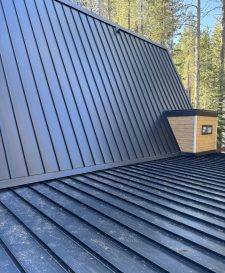
Why Olga's Climate Is Hard on Roofs
Salt Air and Metal Fatigue
Homes closer to the water take a steady dose of salt-laden moisture in the air. Over years, that salt exposure accelerates corrosion on exposed metal components — flashing, fasteners, vent caps, and drip edge — well before the shingles themselves show their age. A roof that looks fine from the ground can have flashing that's quietly failing underneath.
Driving Rain and Wind-Driven Water
Storms coming off the water don't just drop rain straight down — wind pushes it sideways and up under shingle tabs, into valleys, and around any penetration that isn't properly sealed. This is less about total rainfall and more about wind-driven intrusion, which is why underlayment quality and flashing detail matter as much as the shingle brand on top of them.
Moss, Shade, and Slow Drying
Between tree cover and the marine air's lingering humidity, many roofs in this area stay damp longer after a storm than roofs in drier inland climates. That extended dampness is exactly what moss needs to get established. Moss doesn't just look bad — its root structure works into shingle granules and seams, holding moisture against the roof deck and shortening the life of the shingles underneath it.
What a Correct Asphalt Shingle Job Looks Like Here
A shingle roof is a system, not a single product. In a climate like Olga's, every layer of that system needs to be chosen and installed with moisture and wind in mind — not just the visible shingle course.
- Ice and water shield at vulnerable areas: eaves, valleys, and around chimneys or skylights get a self-adhering waterproof membrane, not just standard felt, because these are the spots where wind-driven rain most often finds a way in.
- Synthetic underlayment across the field: a durable synthetic underlayment over the full roof deck holds up better than old-style felt under repeated wet-dry cycles and gives the deck a second line of defense.
- Proper flashing at every penetration and transition: step flashing at walls, counter-flashing at chimneys, and correctly lapped flashing in valleys — installed to shed water downhill in the right sequence, not just caulked over.
- Corrosion-resistant fasteners and metal: given the salt air, we favor hardware and flashing metals chosen to resist corrosion rather than the cheapest option, since replacing failed flashing later means tearing into finished shingle work.
- Balanced attic ventilation: intake at the eaves and exhaust at the ridge keep the underside of the deck drier and more temperature-stable, which reduces condensation risk and helps shingles last their full rated life.
- Shingle rating matched to exposure: homes with more open water exposure benefit from a higher wind-rated shingle line and proper starter strip and hip/ridge detailing, since uplift resistance is a real factor here, not a marketing line.
Moss Prevention Built Into the Install
We can't eliminate shade or humidity, but we can reduce how much moss takes hold and how fast. Zinc or copper strips near the ridge let rain carry trace metal ions down the roof slope, which discourages moss growth over time without chemical treatments. Combined with keeping nearby branches trimmed back and making sure valleys and gutters aren't holding standing debris, this meaningfully slows the moss cycle rather than just delaying it a season.
Our Process for an Olga Roofing Project
1. On-Site Inspection and Honest Assessment
We start by getting on the roof, not just looking at it from the driveway. That means checking the deck condition, flashing, ventilation, and the extent of any moss or moisture damage, then giving a straight answer about whether the home needs a full replacement, a repair, or is fine for now.
2. Clear, Itemized Proposal
You get a written scope that spells out the underlayment, flashing approach, shingle line, ventilation work, and moss-prevention measures — not just a single lump-sum number. That way you know exactly what you're paying for and why.
3. Tear-Off and Deck Inspection
Full tear-off to the deck lets us actually see what's underneath — this is often where hidden rot or old damage from a slow leak turns up. Any soft or damaged decking gets replaced before a single new shingle goes down; nothing gets installed over a compromised deck.
4. Weather-Timed Installation
Island weather windows can be narrow. We plan the tear-off and dry-in sequence around the forecast so the deck isn't left exposed longer than necessary, and we protect the work in progress if conditions shift mid-project.
5. Final Walkthrough
Before we consider the job done, we walk the roof and the property with you, cover basic maintenance expectations, and make sure everything — ridge lines, flashing, gutters, cleanup — meets the standard we set at the proposal stage.
Shingle Options: What Actually Fits This Climate
| Factor | 3-Tab Shingles | Architectural (Laminate) Shingles |
|---|---|---|
| Wind resistance | Lower rated, more vulnerable to uplift in exposed spots | Higher rated, better suited to open, wind-exposed lots |
| Moss resistance | Flatter profile sheds slightly faster but offers less protection overall | Thicker profile with better granule adhesion over time |
| Typical lifespan in this climate | Shorter, given salt air and moisture exposure | Longer, especially with zinc strips and good ventilation |
| Upfront cost | Lower | Moderate |
| Best fit | Secondary structures, budget-driven projects | Primary residences exposed to weather off the water |
For most homes in Olga's more exposed locations, the higher wind rating and better long-term moss and moisture performance of architectural shingles make them the more sensible choice, even with the modest cost difference over 3-tab options.
Cost Factors Homeowners Should Understand
We won't quote a number without seeing the roof, but the honest range for a shingle roof project depends on a handful of concrete factors, not guesswork:
- Roof size and complexity: simple gable roofs cost less per square than roofs with multiple valleys, dormers, or steep pitches that slow the work down.
- Deck condition: hidden rot found during tear-off adds material and labor that couldn't be priced sight-unseen.
- Access: tree cover, steep driveways, or tight lot access on some island properties can affect staging and disposal logistics.
- Shingle line chosen: standard architectural shingles versus premium wind-rated or algae-resistant lines shift material cost.
- Ventilation and flashing scope: a roof needing new ridge vents, additional intake vents, or extensive flashing replacement costs more than a straightforward reroof over sound existing components.
Maintenance That Extends the Life of Your Roof
An asphalt shingle roof in this climate isn't maintenance-free, but the upkeep is manageable if it's done consistently:
- Clear debris from valleys and gutters at least twice a year, more often under heavy tree cover.
- Have moss growth addressed early — light growth is easy to manage, established moss mats are not.
- Check flashing and sealant at penetrations annually, since this is where salt-air corrosion shows up first.
- Trim back overhanging branches to reduce shade, debris, and physical abrasion on the shingle surface.
- Have the attic checked periodically to confirm ventilation is still working as intended.
Why Hire a Crew That Already Works Olga
Roofing standards written for a dry inland climate don't automatically hold up on this side of Orcas Island. A crew that regularly works in San Juan County already knows which details get skipped by contractors unfamiliar with marine exposure — the flashing that gets under-built, the ventilation that gets overlooked, the moss prevention that gets treated as optional. We show up knowing the specific failure points local roofs face, we carry the logistics of island scheduling and material delivery as a normal part of doing business here, and we stand behind the work because we're not leaving the area once the last shingle is nailed down.
If you're weighing a repair against a full replacement, or just want an honest read on how much life is left in your current roof, we're happy to take a look. Reach out for a free, no-pressure estimate using the form below.