 Orcas Island Siding
 Roof Repair Built for Rosario's Stretch of Orcas Island
Rosario sits on the water on the eastern side of Orcas Island, and that location shapes exactly how roofs age here. Salt-laden marine air moves across the property day in and day out, storms off the Salish Sea drive rain sideways into roof planes instead of just falling straight down on them, and shaded, tree-covered slopes hold onto moisture long enough to grow a moss problem that can run most of the year. None of that means a Rosario roof is doomed to leak. It means repair work has to be diagnosed and executed with those specific stresses in mind, not treated like a generic patch job that would work anywhere.
This page is about roof repair specifically for homes in and around Rosario — what actually causes roofs to fail here, what a correct repair looks like once you're past the point of a quick patch, and how we run that work from the first inspection to final cleanup.
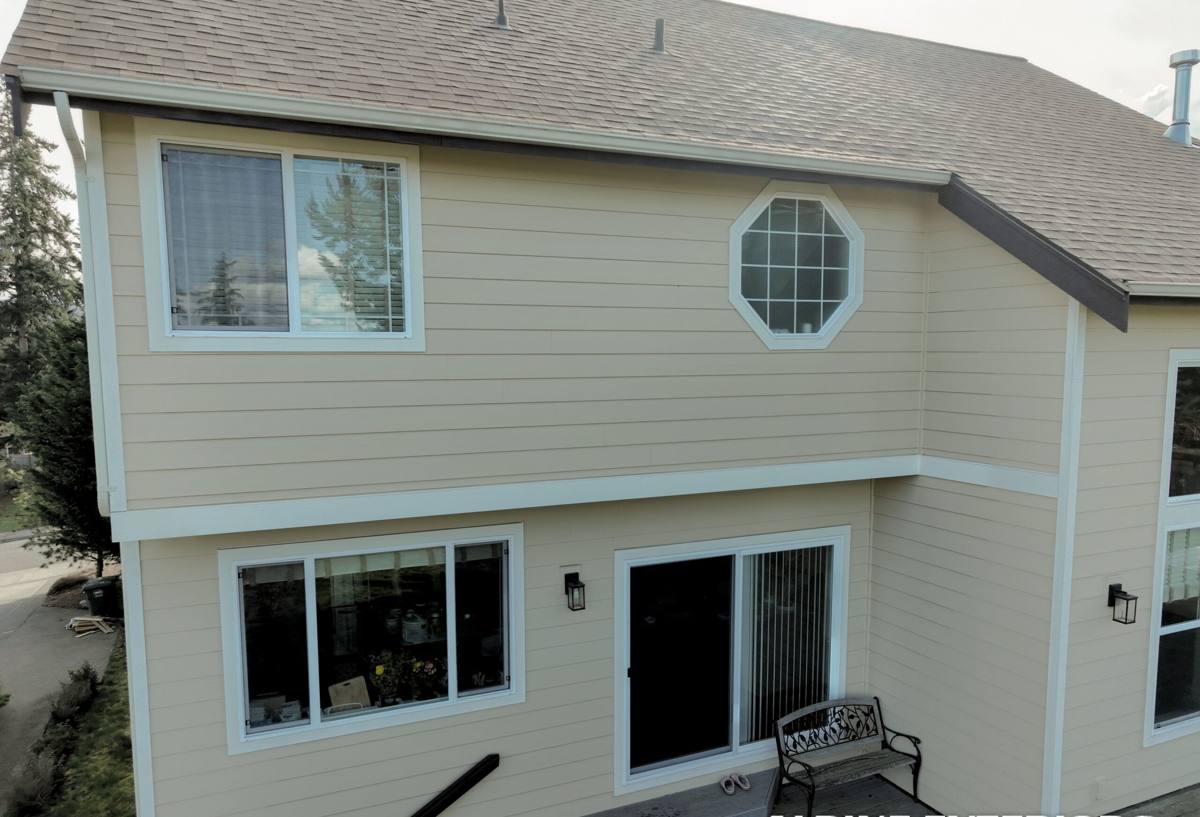
What Rosario's Climate Does to a Roof
Salt Air and Corrosion
Even set back from the shoreline, homes in Rosario take a steady dose of salt-tinged air moving off the water. That air works on exposed metal continuously — flashing, fasteners, gutter hardware, and any exposed roofing hardware corrode faster here than they would at an inland site. A lot of the leaks we get called out for don't start with a failed shingle or shake at all. They start with a rusted-through flashing detail or a fastener that's given up years before the roofing material around it actually wore out.
Wind-Driven Rain
Storms coming off the water rarely drop rain straight down. Wind pushes it sideways and forces it upward under shingle tabs, shake courses, and flashing laps that were only ever designed to shed water moving in one direction. A roof detail that would hold up fine in a calm, dry climate can still leak in Rosario specifically because water is finding its way in from an angle the original install didn't fully account for.
Moss and Sustained Moisture
A lot of Rosario properties sit under fir and madrona canopy or face shaded, north-facing slopes, and that combination of shade and consistent moisture adds up to a moss season that can run for most of the year. Moss doesn't just look bad. It holds water directly against roofing material, works itself under shingle edges and shake butts, and keeps a roof surface wet for far longer after a storm than an open, sun-exposed roof would stay. That sustained dampness is one of the more common reasons a roof that still has visible life left in it starts leaking anyway.
Common Roof Repair Needs We See in Rosario
Roof repair isn't one job — what needs fixing depends heavily on what's actually on the roof. Most Rosario homes we work on fall into one of a few categories.
Asphalt Shingle Roofs
Shingle roofs here typically show trouble first at valleys, flashing points, and wind-exposed edges rather than across the whole field. Lifted or cracked tabs, granule loss, and cracked pipe boots are the repairs we see most, usually concentrated on whichever slope catches the most direct wind and rain off the water.
Cedar Shake Roofs
Cedar shake has a long history on Orcas Island homes, and a well-maintained shake roof can still perform well here. But shake is an organic material, and in a climate with this much sustained moisture and moss pressure, individual shakes split, cup, or rot out faster on shaded slopes than on sun-exposed ones. Repair usually means replacing failed shakes in place rather than reworking the whole roof, provided the underlying decking is still sound.
Metal Roofing
Metal roofs generally hold up well against moss and organic growth, but fastener backouts, sealant failure at penetrations, and oxidation at cut edges or scratched panels are the repair issues we run into most. Salt air accelerates all three faster on a waterfront property than it would further inland.
What a Correct Roof Repair Actually Involves
Diagnosis Before Patching
The most common mistake we see on prior repair work isn't bad material — it's treating the visible symptom instead of tracing water back to where it's actually entering. A stain on a ceiling can show up feet away from the actual leak point, because water travels along rafters and sheathing before it drips through. We inspect the roof and, where accessible, the attic itself before quoting a repair, rather than guessing from the ground or patching wherever a homeowner points.
Matching Materials, Not Just Covering the Damage
A repair that uses the wrong shingle profile, an incompatible shake grade, or mismatched flashing metal might stop a leak temporarily while creating a weak point that fails again within a season or two, especially once salt air and wind-driven rain start working on the seam between old and new material. We match profile, weight, and where reasonably possible, color and exposure to the existing roof so the repair performs as part of the system instead of sitting on top of it as a patch.
Flashing Gets Rebuilt, Not Just Resealed
Caulk and roofing cement over a failed flashing detail is a short-term fix, not a repair. Where flashing has corroded or pulled loose at a valley, chimney, skylight, or wall intersection, we rebuild that flashing detail properly rather than sealing over the symptom, because a resealed flashing failure in this climate tends to come back within a wet season or two.
Moss Treatment as Part of the Job
If moss contributed to the failure, removing it and treating the surface to slow regrowth is part of a correct repair, not an optional add-on. Left in place, moss will continue holding moisture against the same spot and undo the repair from underneath.
Repair vs. Replacement: How We Make That Call
Not every roof problem in Rosario calls for a full tear-off, and not every leak can be solved with a patch either. We look at age, extent of damage, and what condition the roof deck is actually in before recommending either path.
| Situation | Repair Usually Makes Sense | Replacement Usually Makes Sense |
|---|---|---|
| Age of roofing material | Roof is well within its expected service life | Roof is at or past the end of its typical lifespan for the material |
| Extent of damage | Localized to one slope, valley, or penetration | Widespread across multiple slopes or recurring in several spots |
| Roof deck condition | Deck is sound where accessed or inspected | Deck shows rot, soft spots, or sustained moisture damage |
| Moss and organic growth | Surface growth without deep material breakdown | Moss has been established long enough to compromise the material underneath |
| Repair history | First real repair on an otherwise sound roof | Same area has already been patched more than once and keeps failing |
We'll tell you honestly which category your roof falls into rather than defaulting to whichever job is bigger. A well-executed repair on a sound roof is money well spent. Patching a roof that's already failing structurally usually just delays a bigger expense and lets water damage spread in the meantime.
Roof Repair Cost Factors in Rosario
| Factor | What It Affects | Why It Matters Here |
|---|---|---|
| Roof pitch and access | Labor time and safety equipment needed | Waterfront and wooded lots can add staging time on steeper or harder-to-reach slopes |
| Extent of hidden damage | Whether deck or framing repair is needed under the visible problem | Sustained moisture from moss or wind-driven rain often does damage before it's visible from outside |
| Material matching | Availability and cost of matching existing shingle, shake, or metal profile | Getting the right material to an island job site takes more lead time than a mainland repair |
| Flashing scope | How much flashing needs to be rebuilt versus resealed | Salt air corrodes flashing metal faster, so more repairs involve flashing than in drier climates |
| Moss removal and treatment | Added labor for safe removal and preventive treatment | Shaded, canopy-covered roofs in Rosario carry heavier moss loads than open, sun-exposed sites |
Exact cost depends on what we actually find once we're on the roof, which is why we inspect the property in person before quoting instead of estimating over the phone from a description of the symptoms.
Our Roof Repair Process
- In-person inspection: We get on the roof and, where safely accessible, check the attic from inside, rather than estimating from the ground or a photo.
- Honest diagnosis: We trace the leak or damage back to its actual source, not just the spot where it's showing up visibly.
- Written estimate: You get a clear scope covering what's being repaired, what materials are being matched, and what it will cost, before any work starts.
- Scheduling around weather and ferry access: We build realistic time into the schedule for getting materials and crew to the island and working around wet-season conditions, rather than promising a timeline we can't hold to.
- Repair work: Flashing rebuilt where needed, matching material installed, and moss removed and treated where it contributed to the problem.
- Final walkthrough: We review the completed repair with you in person and do a site cleanup before calling the job done.
Signs Your Rosario Roof Needs Repair Now
- Water staining on interior ceilings or in the attic, especially near valleys or roof penetrations
- Moss buildup that returns quickly after cleaning, particularly on shaded or north-facing slopes
- Lifted, cracked, or missing shingles, or split and cupped shakes, after storms or wind events
- Rust streaking below flashing points, chimneys, or skylights
- Granules collecting in gutters, a sign asphalt shingles are wearing thinner than they should be at this stage
- Visible sagging along any part of the roofline, which can point to deck-level moisture damage underneath
If any of that sounds familiar, it's worth having the roof looked at before the next stretch of wet weather rather than waiting for a small leak to turn into a bigger repair.
A Practical Checklist Before Hiring a Roof Repair Contractor Here
- Do they inspect the roof and attic in person before quoting, rather than estimating sight unseen?
- Does the estimate specify what's being repaired and what material is being matched, not just "fix the leak"?
- Is flashing work explicitly scoped, or is the plan to simply reseal what's already there?
- Do they carry current WA contractor licensing and liability insurance?
- Have they done real repair work on Orcas Island or elsewhere in San Juan County recently?
- Do they give you a straight answer on repair versus replacement, including when repair isn't the right call?
Why Hiring a Crew That Already Works in Rosario Matters
A crew that regularly works roofs on Orcas Island has already seen how salt air corrodes underspecified flashing, how wind-driven rain finds its way under shingle and shake edges that look fine from the ground, and which slopes in Rosario hold moss longest through the wet months. That's practical, earned knowledge that shows up in dozens of small decisions during a repair — where a flashing detail needs extra attention, which slope is worth a closer look even if it isn't the one leaking, and which repairs are worth doing right the first time because a callback means scheduling around a ferry, not a quick drive back out.
Island logistics are a real part of roof repair here, not a footnote. Getting the correct matching material to the property, coordinating a crew's time around ferry schedules, and being available for a follow-up if a repair needs a second look all take more planning than the same job would on the mainland. A contractor with an established, ongoing presence on Orcas Island is one you can actually reach if a question comes up later, rather than a name that did one job here and moved on.
If your Rosario roof has a leak, storm damage, or moss that keeps coming back, we're glad to take a look and give you an honest read on what it actually needs. Reach out using the form below to schedule a free, no-pressure estimate.