 Orcas Island Siding
 Windows Built for the West Beach Shoreline
West Beach sits on the more exposed, west-facing side of Orcas Island, which means homes here take a different kind of weathering than houses tucked into the island's inner bays. Wind-driven rain comes in at an angle instead of straight down, salt-laden air rides in off the water, and the surrounding tree cover keeps humidity and moss pressure high through most of the year. Windows are usually the first place that combination shows up — swollen sashes, fogged glass, soft trim, and hardware that seizes from corrosion. Replacing a window here isn't just a cosmetic upgrade; it's an opportunity to correct the details that let water and salt in around the frame in the first place.
We work window replacement jobs across San Juan County, and West Beach properties consistently need a bit more attention paid to flashing, sealants, and material choice than homes on the more sheltered side of the island. This page walks through what that actually looks like.
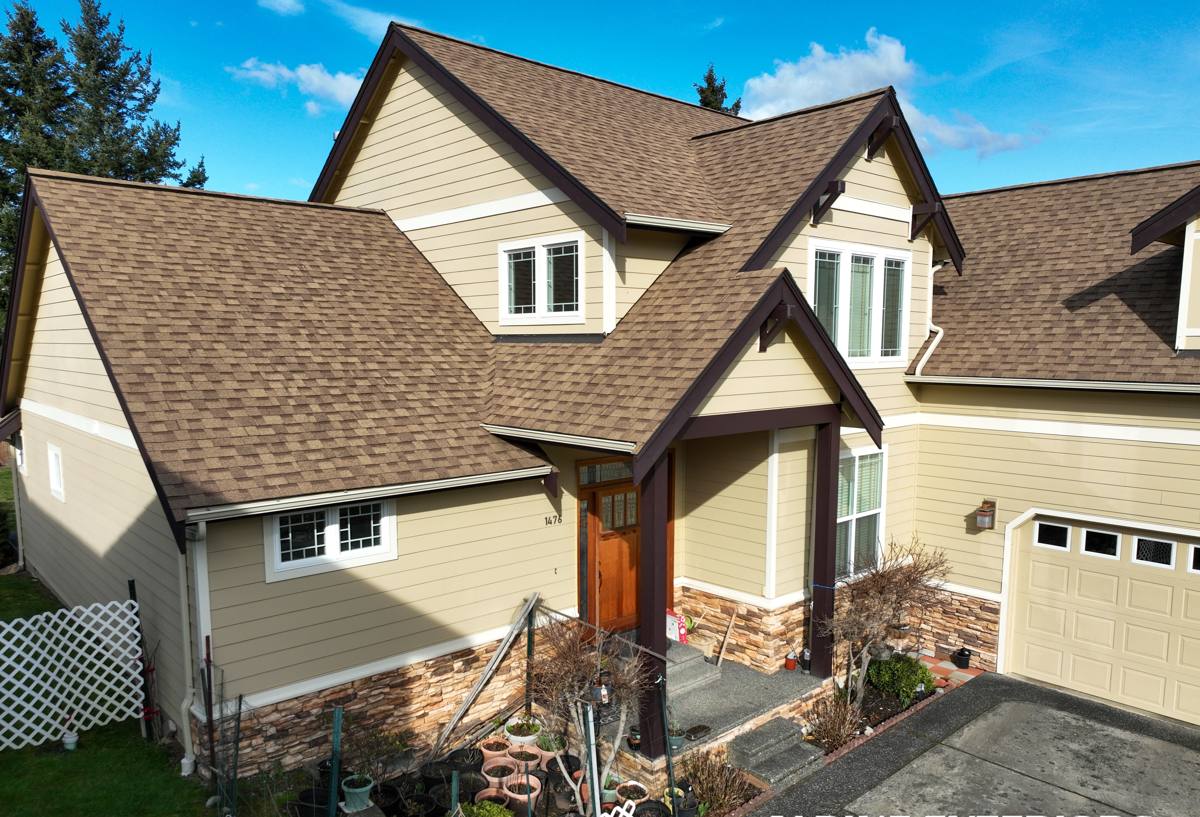
What Salt Air and Driving Rain Do to a Window Over Time
It helps to understand the failure pattern before talking about the fix. On exposed coastal sites, window trouble tends to show up in a predictable order:
- Hardware first. Salt spray corrodes cheap latches, hinges, and balance mechanisms years before the glass or frame shows any wear.
- Sealant and caulk next. UV, salt, and constant damp/dry cycling break down exterior sealant faster than in inland locations, opening small gaps around the frame.
- Wood trim and sills. Once water finds a gap, it wicks into wood trim and sills, which stay damp longer than they should because moss and shade slow drying.
- Frame and seal failure. On older insulated glass units, moisture eventually gets between the panes, causing the fogging or "milky" look homeowners usually notice first.
By the time fogged glass is visible, the surrounding wood and flashing have often been absorbing moisture for a while. That's why we always inspect the full opening, not just the sash, before quoting a replacement.
What a Correct West Beach Window Job Involves
It Starts With the Opening, Not the Window
A window is only as good as the opening it sits in. On a coastal, high-rain-exposure site, that means checking the sheathing and framing around each opening for soft spots, confirming the existing flashing actually sheds water downward and outward, and correcting any past shortcuts — like caulk used in place of proper flashing tape — before the new unit goes in. Skipping this step is the single most common reason a "new" window leaks again within a few years.
Flashing and Water Management
Proper installation means a sill pan or sloped sill flashing so any water that does get past the window drains back out, side flashing that laps correctly with the water-resistive barrier, and head flashing that directs rain away from the top of the frame rather than letting it pool. On a west-facing, wind-exposed elevation, we're also more careful about backer rod and sealant joints at the exterior trim, since wind pressure can drive rain into gaps that would stay dry on a calmer site.
Sealing and Insulation
Low-expansion foam or mineral wool around the frame (never packed too tight) keeps the assembly insulated without distorting the frame, and a continuous interior air seal cuts down on condensation risk during the island's damp, cool months.
Choosing the Right Window for a Marine-Exposed Site
Not every window sold at a big box store is a good match for direct salt exposure. We steer homeowners toward materials and hardware that hold up specifically to salt air and constant moisture, and we're upfront about the trade-offs of each option.
| Frame Material | How It Handles Salt Air & Moisture | Maintenance |
|---|---|---|
| Vinyl (quality-grade) | Doesn't corrode or rot; performs well in coastal exposure | Low — occasional cleaning |
| Fiberglass | Very stable, resists moisture and salt well, minimal expansion/contraction | Low |
| Aluminum-clad wood | Good if cladding and seams are fully intact; failure points are at seams and fasteners | Moderate — watch cladding seams |
| Bare wood | Attractive but most vulnerable to swelling, rot, and finish failure in this climate | High — regular repainting/sealing |
We're not against wood windows on principle — some homeowners want that look and are willing to keep up with the maintenance. But on an exposed West Beach elevation, we tell people plainly: bare wood in direct salt spray is a higher-upkeep choice, and we'd rather set that expectation before the sale than after the first repaint.
Hardware matters as much as frame material. Stainless steel or marine-grade corrosion-resistant hardware costs a bit more up front but avoids the seized latches and rusted hinges that are common on standard hardware in this environment.
Glass Options Worth Considering
Double- or triple-pane insulated glass with a warm-edge spacer is the baseline for the island's cool, damp climate — it cuts condensation on the interior and improves comfort near the glass. Low-E coatings help manage heat loss without changing how much natural light comes through, which matters on a wooded West Beach lot where daylight is already limited by tree cover. For homes closer to the water, tempered glass may be worth discussing depending on the opening's height and location, per code requirements.
Our Process, Start to Finish
- On-site assessment. We look at every window being considered, plus the surrounding trim, sheathing, and flashing — not just the glass.
- Honest scope. We tell you which windows genuinely need replacement, which could be repaired, and which framing or flashing issues need to be corrected regardless of window choice.
- Material selection. We walk through frame and glass options suited to a West Beach exposure, with real trade-offs, not upsells.
- Removal and inspection. Old units come out carefully so we can inspect the opening for hidden rot or past water intrusion before anything new goes in.
- Correct flashing and installation. Sill pans, flashing sequencing, and sealant done to manufacturer and code specification, not shortcuts.
- Finish work. Interior and exterior trim finished cleanly, with attention to sealant joints that will actually last in this climate.
- Walkthrough. We check operation, sealing, and hardware with you before calling the job done.
What to Have Ready Before We Arrive
- A list of which windows are giving you trouble (fogging, drafts, sticking, or difficulty locking)
- Any known history of leaks or water stains near window openings
- Clear access to the interior and exterior of each window being assessed
- Rough sense of your priorities — energy performance, low maintenance, matching existing trim style, or budget
Why a Crew That Already Works West Beach Matters
Window replacement done wrong on an exposed coastal site doesn't fail quietly — it shows up as rot, mold, or a repeat leak within a few seasons, usually after the original installer is long gone. A crew that regularly works West Beach and the rest of Orcas Island already knows which elevations take the worst of the wind-driven rain, how long moss and shade keep trim damp after a storm, and which flashing details actually hold up here versus on a drier, more sheltered site. That local pattern recognition is hard to get from a mainland crew doing a one-off ferry trip.
There's also a logistics side to it. Every material delivery and every service trip to the island involves ferry scheduling, and a crew based in San Juan County builds that into the timeline from the start rather than treating it as a surprise. If a callback is ever needed, we're not a multi-hour ferry ride away — we're already working in the area.
Signs It's Time to Replace, Not Repair
Repair is the right call more often than people expect, especially for hardware or sealant issues caught early. Replacement becomes the better option when you see fogging or moisture between panes on an insulated unit, soft or spongy wood at the sill or jamb, a frame that's visibly warped or won't close square, or persistent drafts and moisture on the interior glass even after sealant has been redone. We'll always tell you honestly which category a given window falls into rather than defaulting to a full replacement recommendation.
If you're dealing with fogged glass, drafty rooms, or trim that's starting to soften around a window on your West Beach property, we're happy to take a look. Reach out through the form below for a free, no-pressure estimate — we'll assess what's actually going on and give you a straight answer about repair versus replacement.